Berlin, Germany
overview
I ended up taking a solo trip to Berlin when I was completing my study abroad program in Prague. I took a 4 hour train and stayed in a hotel walking distance from the Jewish Memorial, Berlin Mall, and Brandenburg gate so overall I was in an excellent location. Upon my arrival I did some shopping at the Berlin Mall and then the other day I was there I did a lot of sightseeing. I was there a total of two nights. This experience was like nothing I’ve ever done and I would do it again in a heartbeat. I only ever traveled with others and even though it was a short trip, it was one of the most memorable. I met so many new people and did things by myself which is such a freeing and empowering feeling. This has now enabled me to do more solo trips by myself and allowed me to not be as scared. Of course, as a young girl I still must take precaution but I have gained more confidence and security.
Architecture
Brandenburg Gate
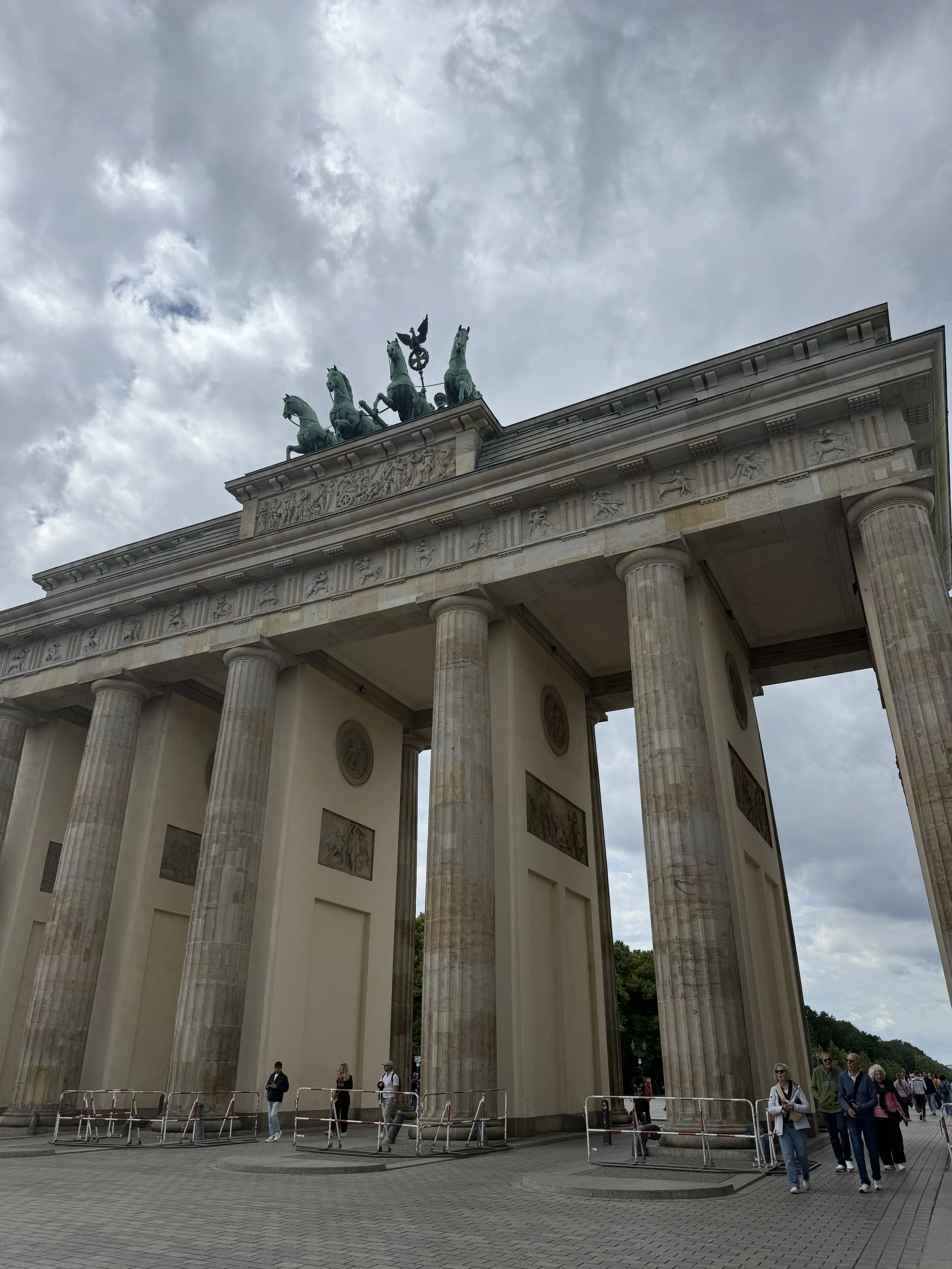
The Brandenburg Gate is one of Berlin's most recognizable landmarks and a powerful symbol of German history, resilience, and unity. Completed in 1791, the monument was designed by architect Carl Gotthard Langhans in a Neoclassical style inspired by the entrance to the Acropolis in Athens. Standing at the end of the famous Unter den Linden boulevard, the gate has witnessed centuries of political change and remains one of Europe's most significant historic monuments. Atop the gate stands the Quadriga, a striking sculpture of the goddess Victoria riding a chariot pulled by four horses. Throughout its history, the Brandenburg Gate has represented both division and reunification. During the Cold War, it stood within the restricted border area separating East and West Berlin, making it an enduring symbol of a divided Germany. Following the fall of the Berlin Wall in 1989, the gate became a global symbol of peace, freedom, and national reunification.
Memorial to the Murdered Jews
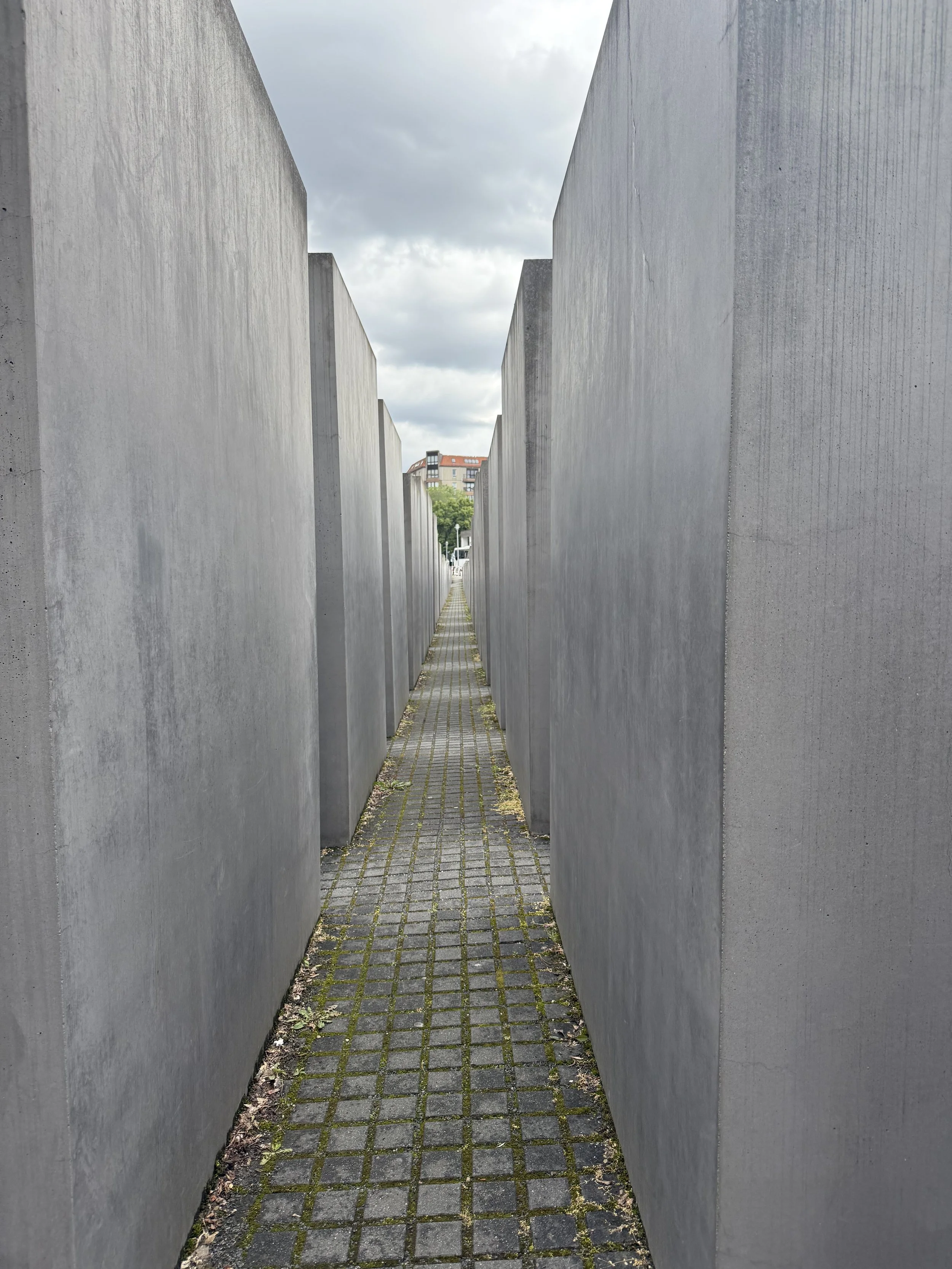
Located in the heart of Berlin near the Brandenburg Gate, the Memorial to the Murdered Jews of Europe stands as a powerful tribute to the six million Jewish victims of the Holocaust. Designed by American architect Peter Eisenman and opened in 2005, the memorial consists of 2,711 concrete stelae arranged in a grid across an expansive site, creating a space dedicated to remembrance, reflection, and education. Walking through the memorial is a deeply moving experience. As the pathways gradually descend and the concrete blocks grow taller, the environment becomes increasingly quiet and disorienting. The changing landscape encourages visitors to reflect on the immense loss, suffering, and uncertainty endured during one of history's darkest chapters. Rather than telling a single story, the memorial invites each person to interpret the space in their own way and consider the human impact of the Holocaust. Beneath the memorial is an information center that provides historical context through personal letters, photographs, biographies, and testimonies of Holocaust victims and their families. These exhibits help transform the abstract scale of the tragedy into individual human stories, reminding visitors of the lives that were lost and the importance of preserving their memory. Visiting this memorial is definitely heavy and be prepared to feel an immense sadness when arriving.
Museums
East Side Gallery
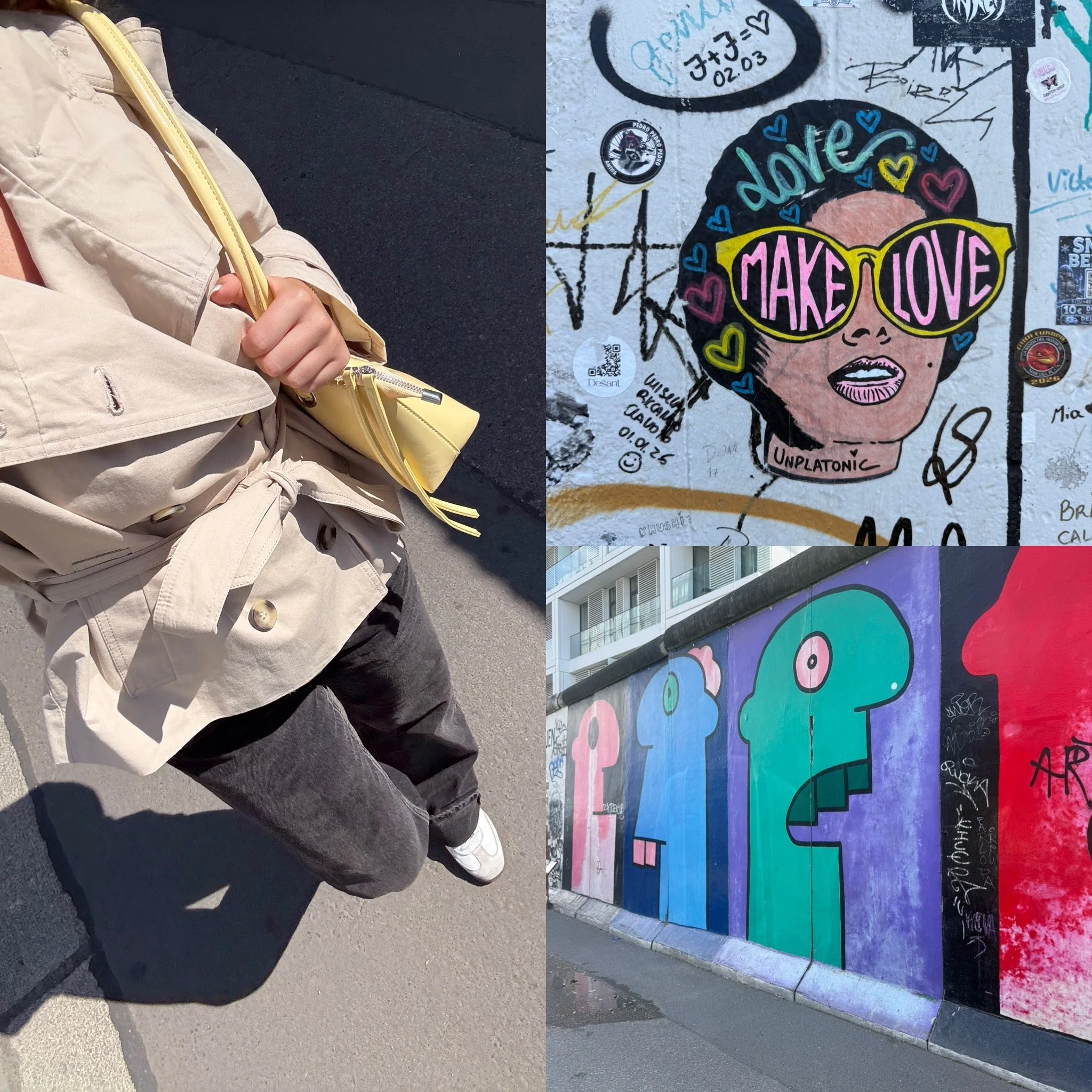
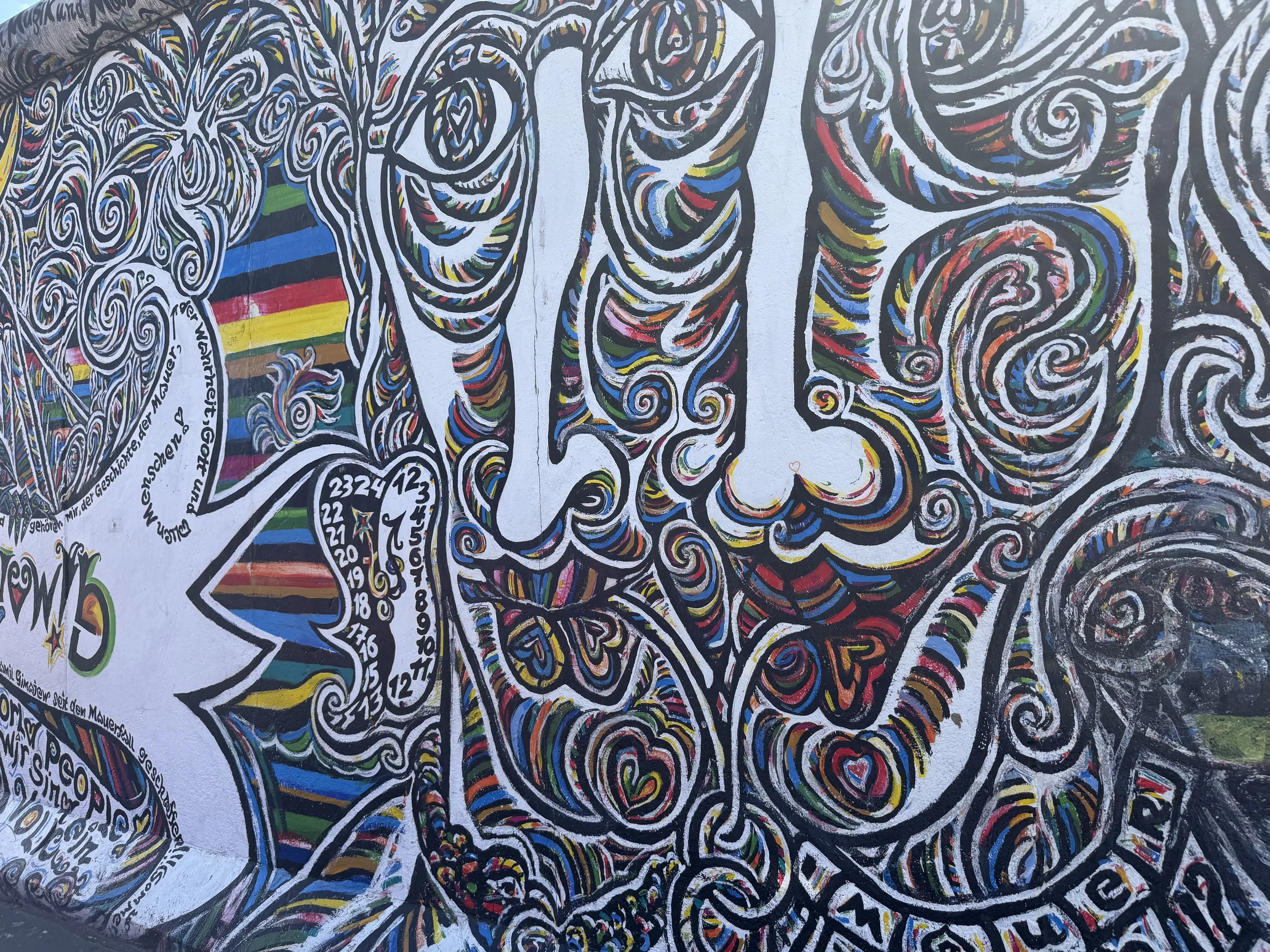
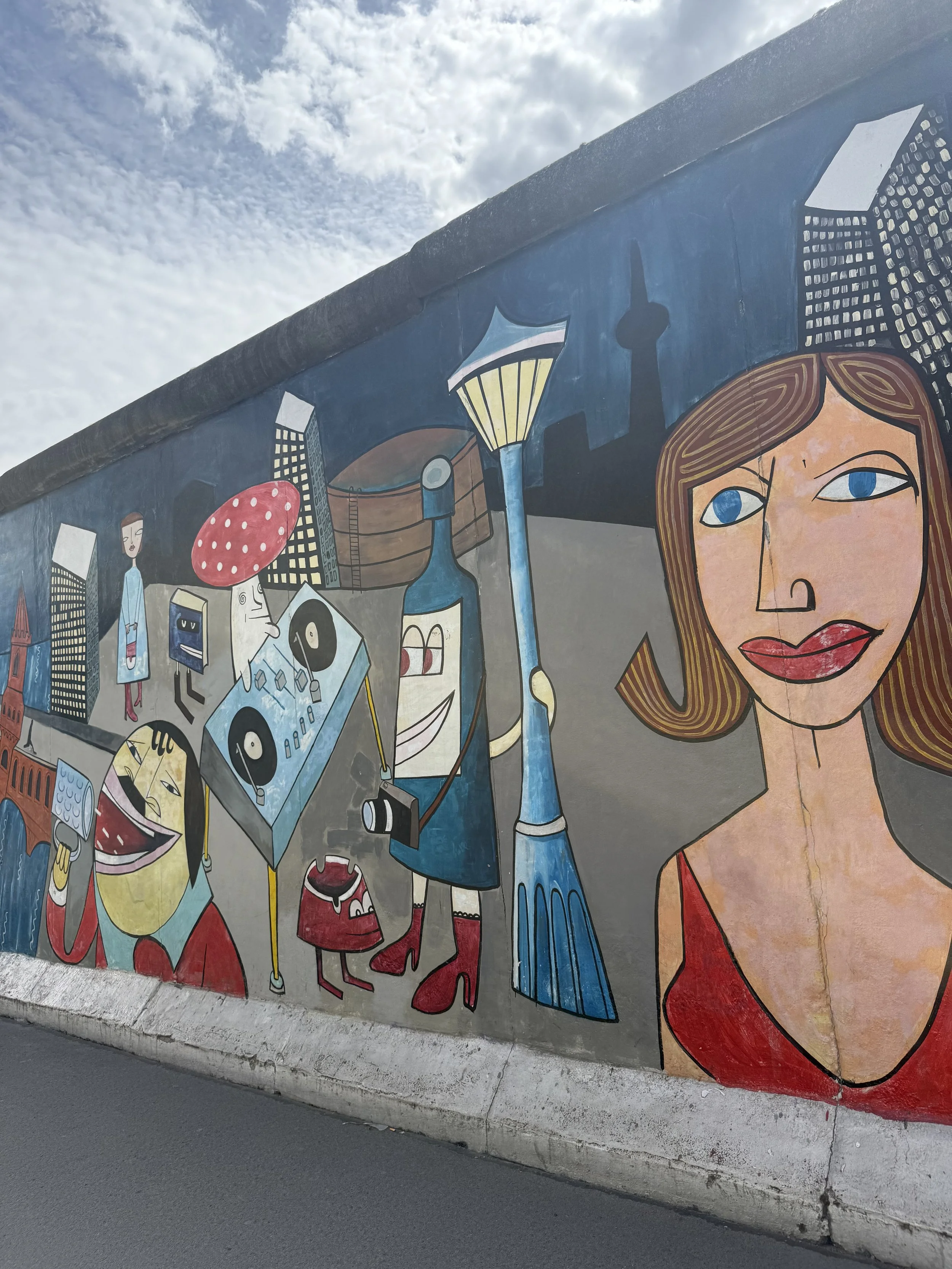
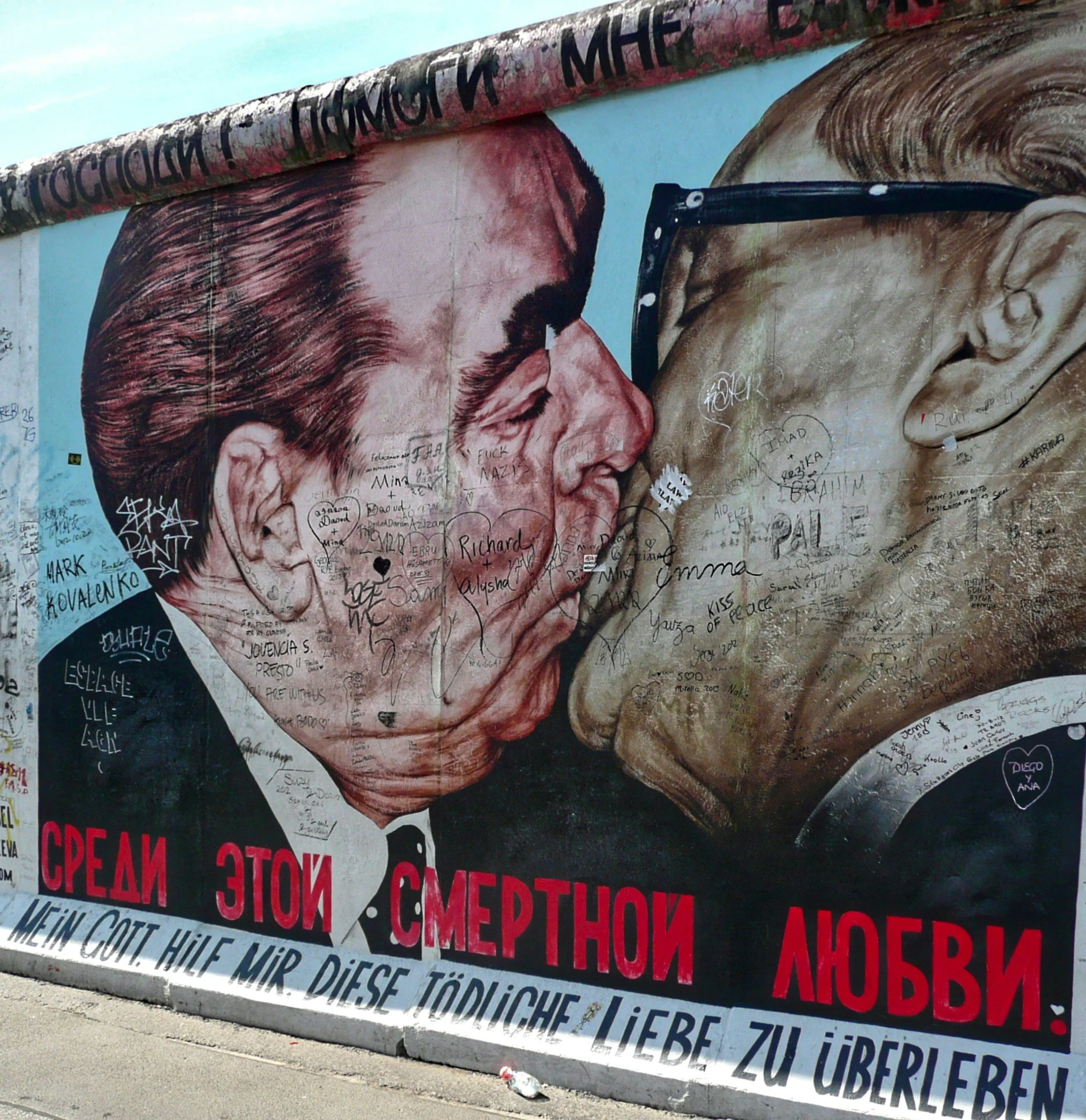
The East Side Gallery is one of Berlin's most vibrant and meaningful landmarks, transforming a former symbol of division into a celebration of freedom, creativity, and hope. Stretching for approximately 1.3 kilometers along a preserved section of the Berlin Wall, it is the world's longest open-air gallery and features more than 100 murals created by artists from around the globe following the fall of the Wall in 1989. Each mural tells a unique story, reflecting themes of peace, unity, human rights, and political change. Together, the artworks transform what was once a barrier separating families and communities into a powerful reminder of resilience and the importance of freedom. Among the gallery's most famous works is My God, Help Me to Survive This Deadly Love, commonly known as the "Fraternal Kiss," which has become an iconic image of Berlin. Walking along the East Side Gallery was unlike visiting a traditional museum. The artwork exists in the open air, allowing visitors to experience history and contemporary expression simultaneously. Every section of the wall offers a different perspective, encouraging reflection on the city's past while celebrating the creativity that emerged from reunification. Visiting the East Side Gallery was one of the most memorable experiences of my time in Berlin. It beautifully illustrates how art can preserve history, inspire dialogue, and transform places of conflict into spaces of expression and hope. The gallery stands as a lasting reminder of Berlin's resilience and its commitment to freedom, unity, and cultural exchange.
Gemäldegalerie
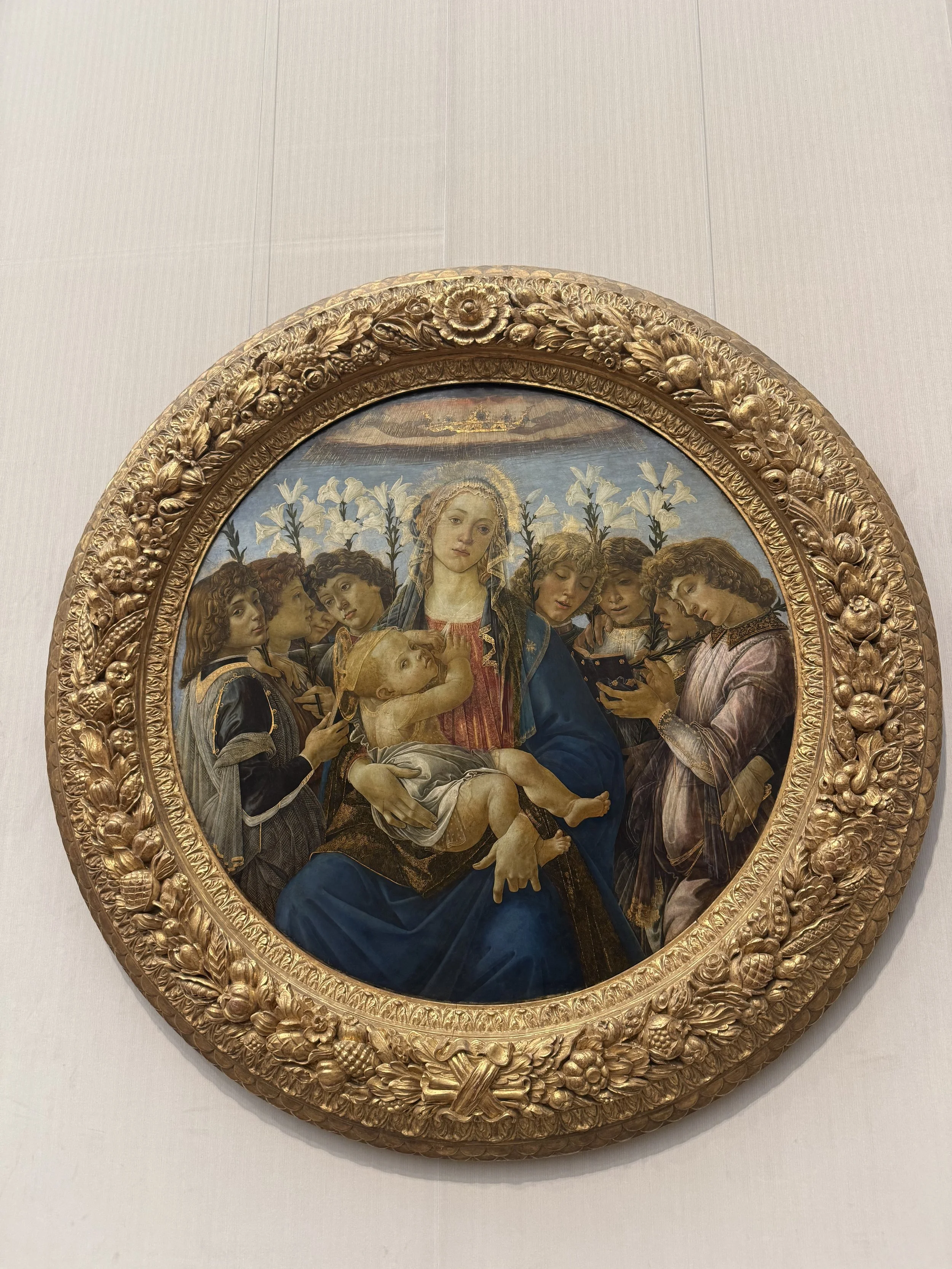
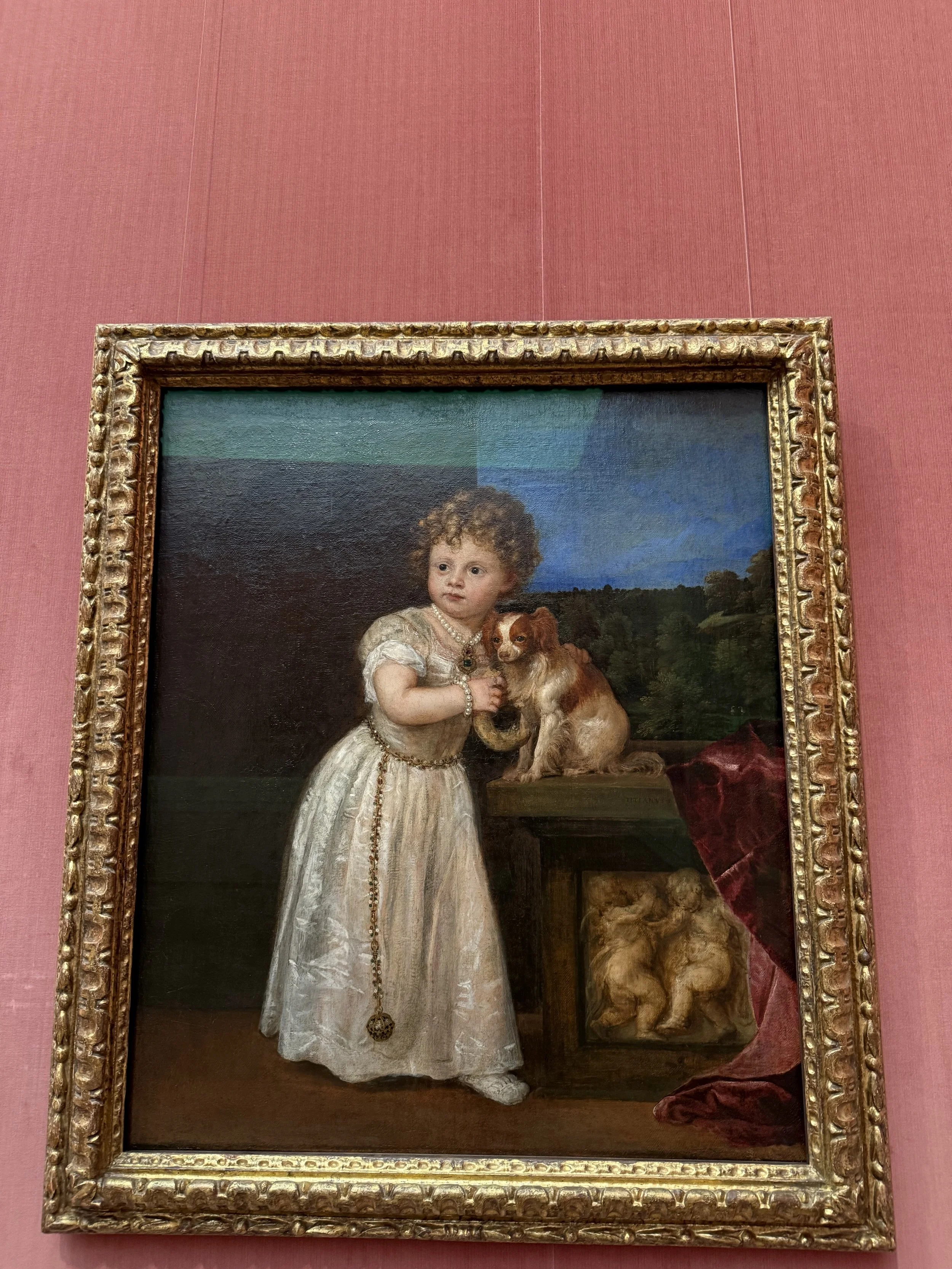
The Gemäldegalerie houses an extraordinary collection of European paintings from the 13th to the 18th centuries. Located in Berlin's Kulturforum, the museum is renowned for its carefully curated galleries and masterpieces by some of history's most celebrated artists, including Rembrandt, Vermeer, Botticelli, Raphael, Caravaggio, Jan van Eyck, Albrecht Dürer, and Titian. Walking through the museum felt like taking a journey through the evolution of European art. Each gallery highlights a different artistic period, allowing visitors to observe how techniques, styles, and subjects developed over the centuries. From the intricate detail of the Northern Renaissance to the dramatic use of light and shadow in Baroque paintings, the collection provides a remarkable overview of art history. What makes the Gemäldegalerie especially unique is its thoughtful layout, which encourages visitors to spend time appreciating each work without feeling overwhelmed. The quiet atmosphere allows the paintings to take center stage, making it easy to admire the exceptional craftsmanship and artistic innovation displayed throughout the museum