Budapest, Hungary
Budapest, Hungary
Overview
Straddling the Danube River, Budapest is Hungary's most vibrant capital. Overall, I did like Budapest, but it wasn’t my absolute favorite destination in Europe. We had a few negative experiences like getting scammed by a taxi driver but that was probably our fault. But the history of Budapest was very fascinating as it was formed by the unification of Buda and Pest in 1873. The city seamlessly blends grand historic architecture with a lively modern culture. From the hilltop views of Buda Castle to the bustling cafés, markets, and boulevards on the Pest side, Budapest offers a unique combination of history, art, and everyday life.Known for its magnificent Parliament Building, thermal baths, scenic riverfront, and iconic Chain Bridge, the city is rich in both cultural heritage and architectural beauty. Visitors can explore museums, admire Art Nouveau and Neo-Gothic buildings, relax in centuries-old bathhouses, or enjoy panoramic views from Fisherman's Bastion overlooking the Danube.
Architecture
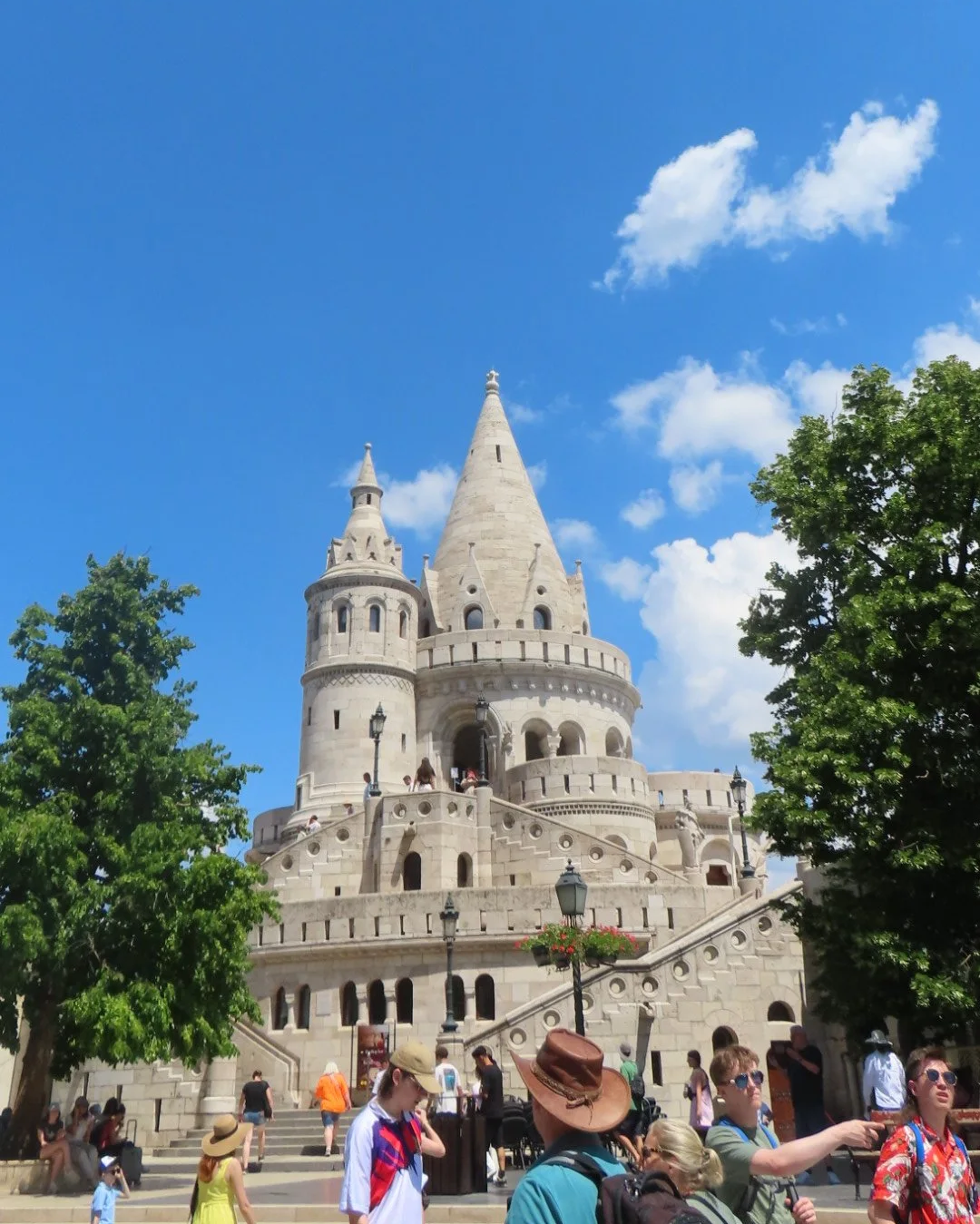
Fishermans Bastion
Built between 1895 and 1902 in a Neo-Romanesque style, the terrace was designed by architect Frigyes Schulek to celebrate the 1,000th anniversary of the Hungarian state. Its fairytale-like towers, elegant arches, and sweeping staircases make it one of the city's most photographed locations. Despite its castle-like appearance, Fisherman's Bastion was never intended to serve as a military fortress. Instead, it was built as a scenic lookout and a tribute to the fishermen's guild, which was responsible for defending this section of the medieval city walls during the Middle Ages. The seven towers symbolize the seven Magyar tribes that founded Hungary in 895, making the monument both architecturally beautiful and historically significant. From the terraces, visitors are treated to breathtaking panoramic views of Budapest, including the Hungarian Parliament Building, the Danube River, the Chain Bridge, and the Pest skyline. Adjacent to the bastion stands Matthias Church, whose colorful tiled roof and rich history further enhance the beauty of the area.

Buda Castle
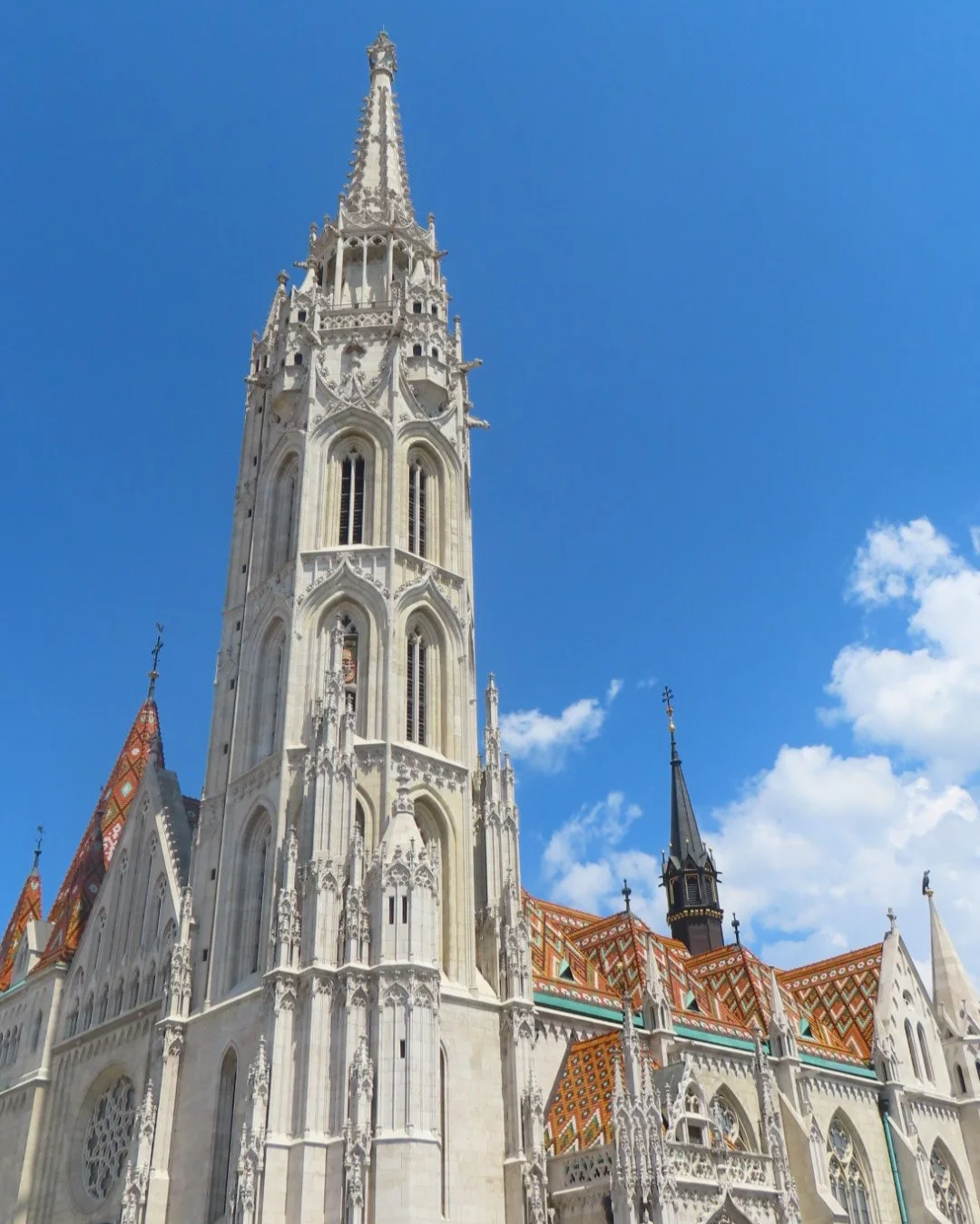
Originally built in the 13th century following the Mongol invasion of Hungary, the castle has been rebuilt and expanded several times throughout its history, reflecting Gothic, Renaissance, and Baroque influences. Today, it stands as a symbol of Hungary's resilience and rich cultural heritage. I thought that the color patters and contrast with the blue and orange details on the castle was a very unique touch and gave a very modern feel. The immense amount of detail on this building was another thing that struck my eye. The castle complex has served many purposes over the centuries, including a royal residence for Hungarian kings and the center of political power. Although much of the original medieval structure was damaged during wars and later reconstructed, Buda Castle remains an impressive reminder of the country's past. Today, it is home to the Hungarian National Gallery, the Budapest History Museum, and the National Széchényi Library, making it an important destination for both history and art enthusiasts.
Hungarian Parliament
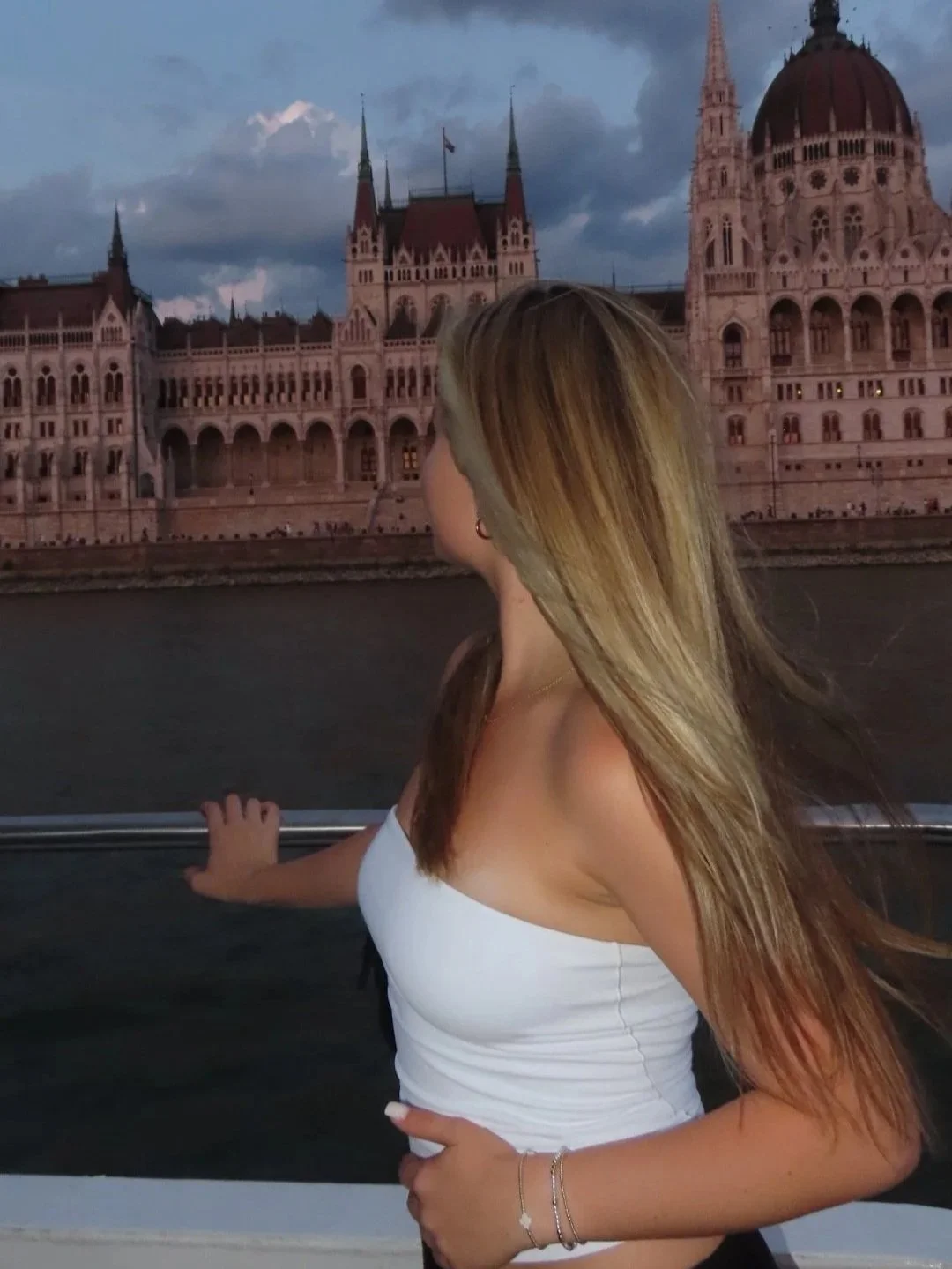
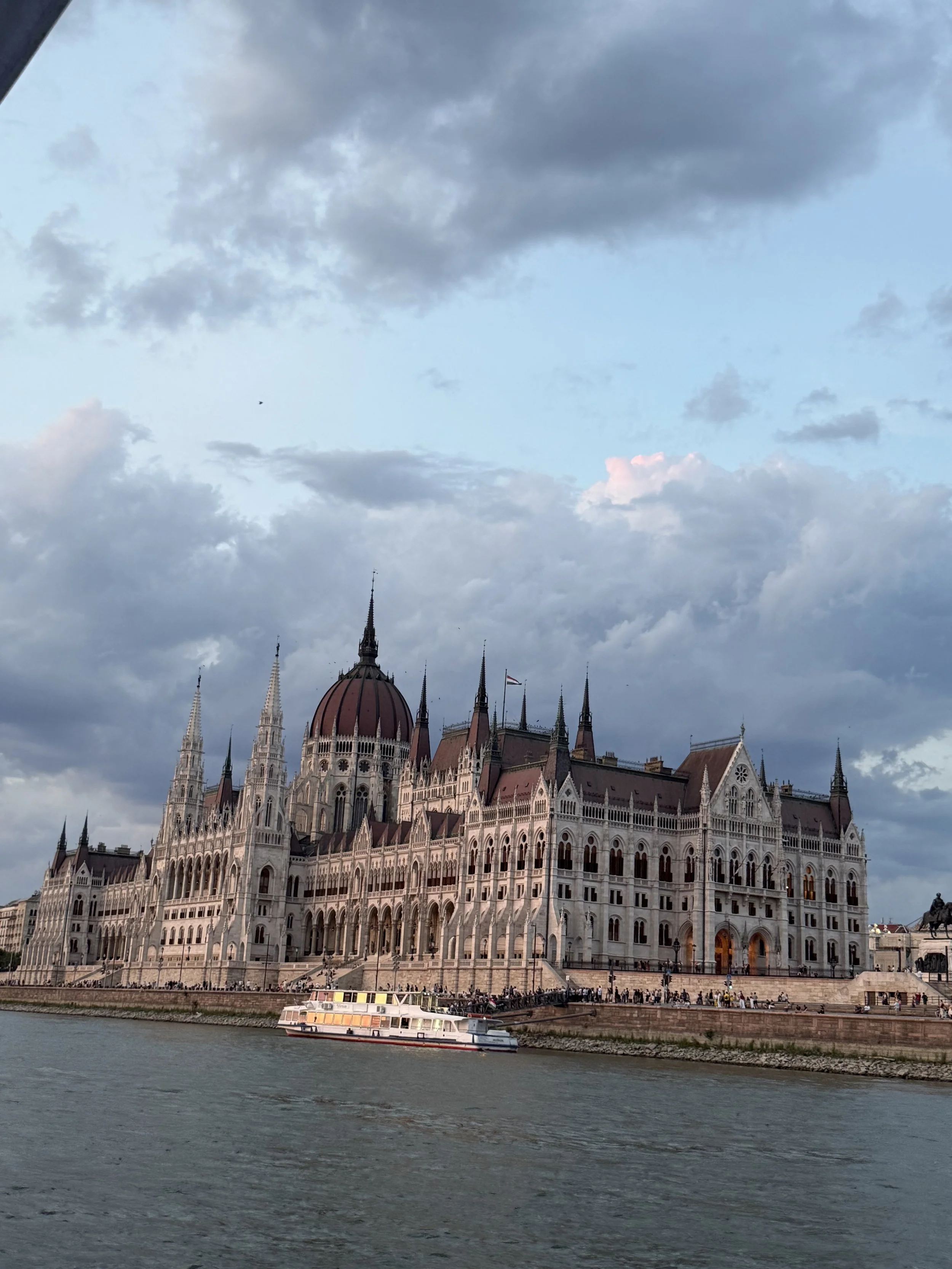
Standing proudly along the banks of the Danube River, the Hungarian Parliament Building is one of Budapest's most recognizable landmarks and a masterpiece of Neo-Gothic architecture. Completed in 1904, the building was designed by architect Imre Steindl to celebrate Hungary's national identity and remains the seat of the country's National Assembly today. The Parliament's impressive exterior is decorated with intricate stone carvings, soaring spires, and nearly 700 rooms spread across its vast interior. Its magnificent central dome rises 96 meters high, symbolizing the year 896, when the Magyar tribes settled in the Carpathian Basin and established the foundations of the Hungarian state. The building is also home to the Holy Crown of Hungary and other royal regalia, which are displayed beneath the dome in one of the country's most significant ceremonial spaces. In my opinion, this is one of the most memorable experiences in Budapest and the most iconic landmark. We ended up taking a boat-tour but another great way Ive heard people were able to see this landmark from a far is across the river. If you are in Budapest I one-thousand percent recommend seeing this beautiful building at dawn.
Museums
Hungarian National Museum
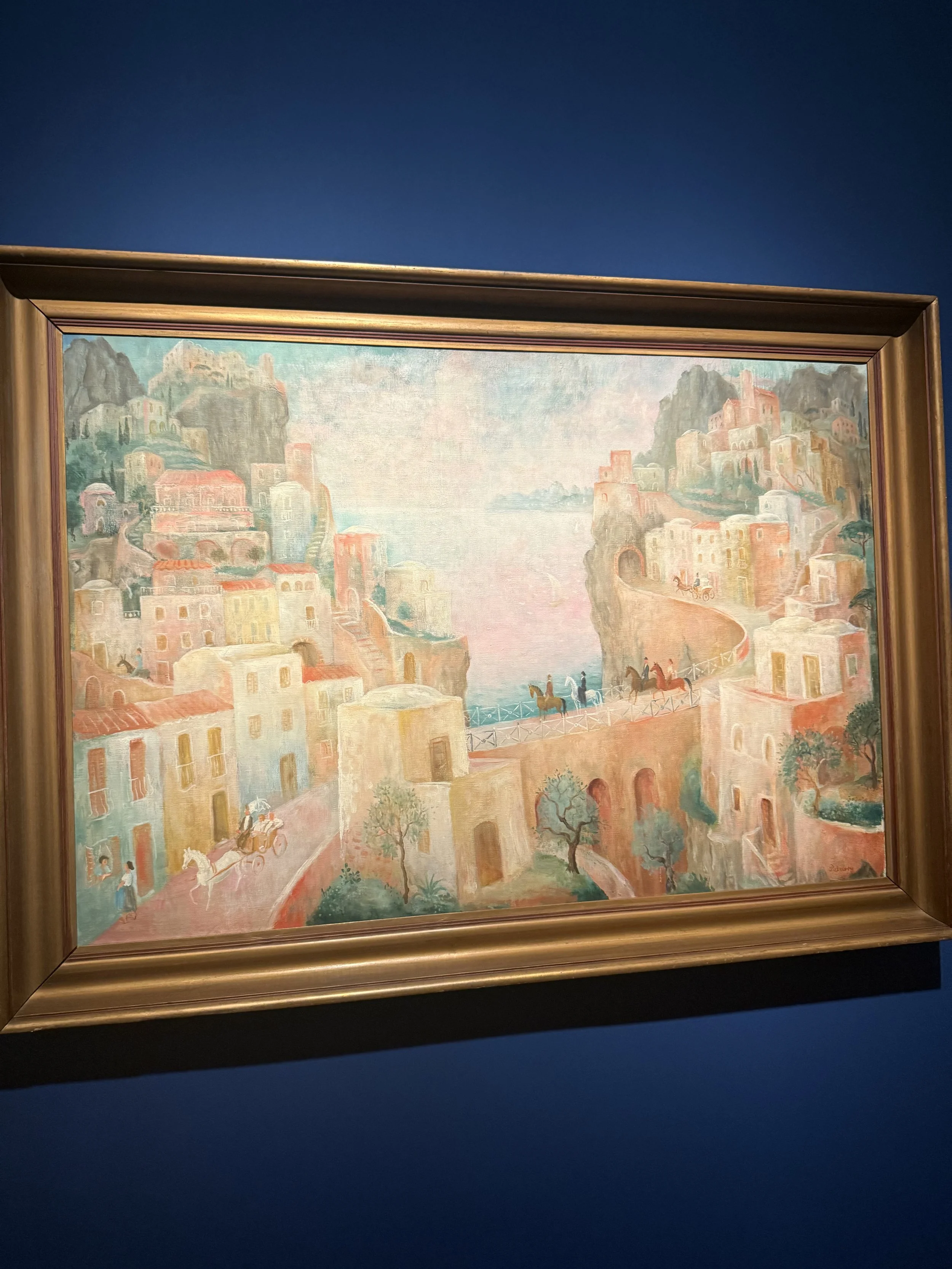
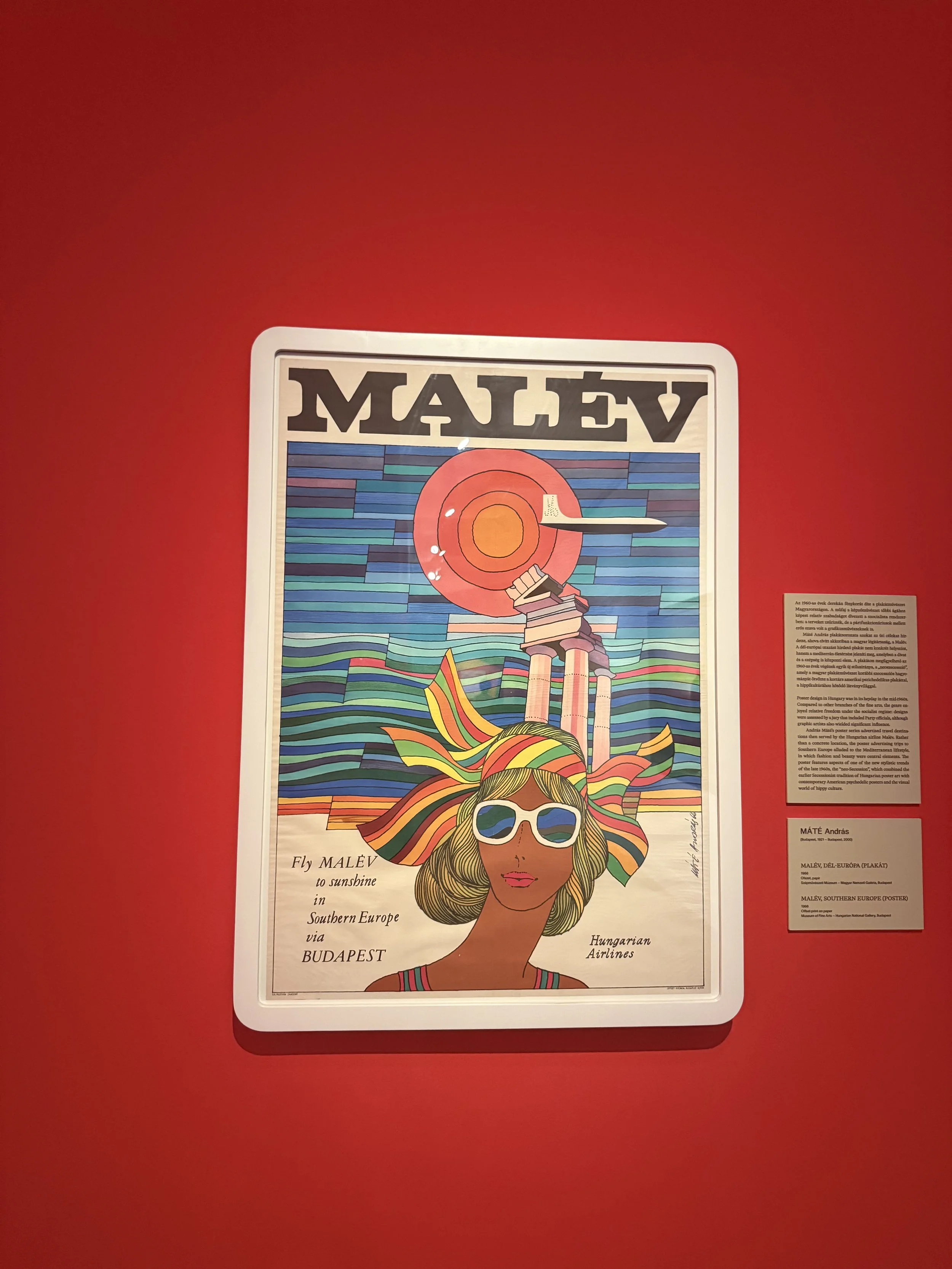
One of the most unexpected experiences during my time in Budapest was visiting a temporary Italian pop-up exhibition. In the museum at the time we were there, there was two different options for the exhibitions. The first one being the regular exhibitions that stays there year-round and the second option being a temporary exhibition that features Italian themed Hungarian artwork. Unlike permanent museum collections, the exhibition offered a limited-time opportunity to experience Italian art and culture through a fresh and contemporary perspective. The rotating displays created a sense of excitement, making the visit feel unique and memorable.The exhibition featured a diverse selection of artwork that highlighted Italy's lasting influence on art, design, and creativity. From classical inspirations to modern interpretations, each piece reflected the country's rich artistic heritage while demonstrating how Italian culture continues to inspire artists today.