London,
England
Overview
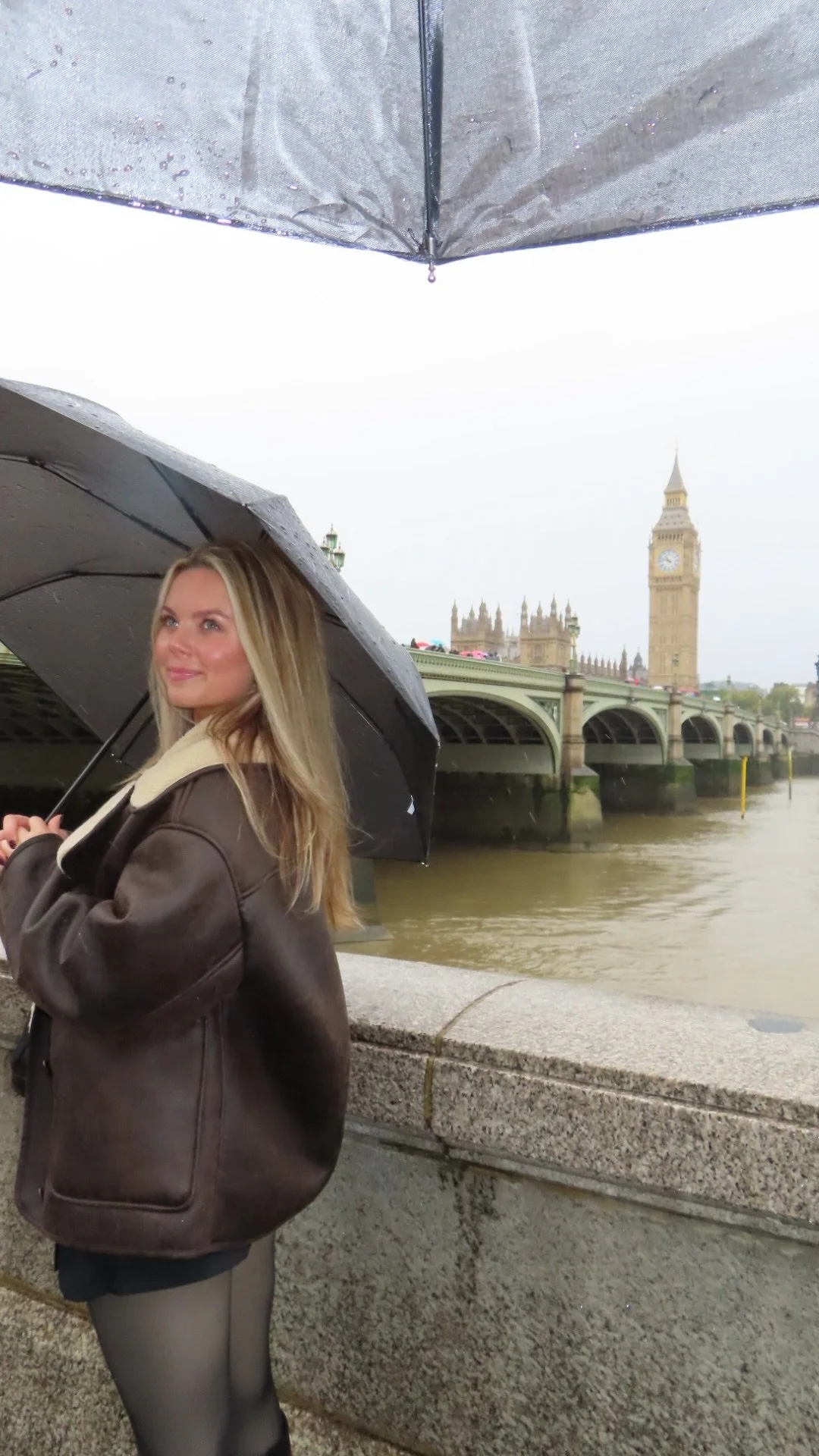
London is one of the world's most influential cities, where centuries of history exist alongside modern innovation. As the capital of the United Kingdom, it is known for its iconic landmarks, world-renowned museums, diverse neighborhoods, and thriving arts and fashion scenes. Many of its most famous museums, including the British Museum, the National Gallery, the Victoria and Albert Museum, and Tate Modern, offer free admission, making art, history, and culture accessible to everyone. The city is also home to the famous West End, where visitors can experience award-winning theater productions, musicals, and performances throughout the year. My biggest regret when going to London is not going to a lot of the major museums like these as it offers some of the most amazing art in the world. London's neighborhoods each have their own unique character. Covent Garden is known for its lively atmosphere, street performers, and boutique shopping, while Notting Hill offers colorful streets and charming cafés. Camden is celebrated for its creative energy and markets, and Mayfair is synonymous with luxury shopping, fine dining, and prestigious art galleries. The city's parks, including Hyde Park, Regent's Park, and St. James's Park, provide peaceful green spaces that contrast with London's bustling streets.

Big Ben
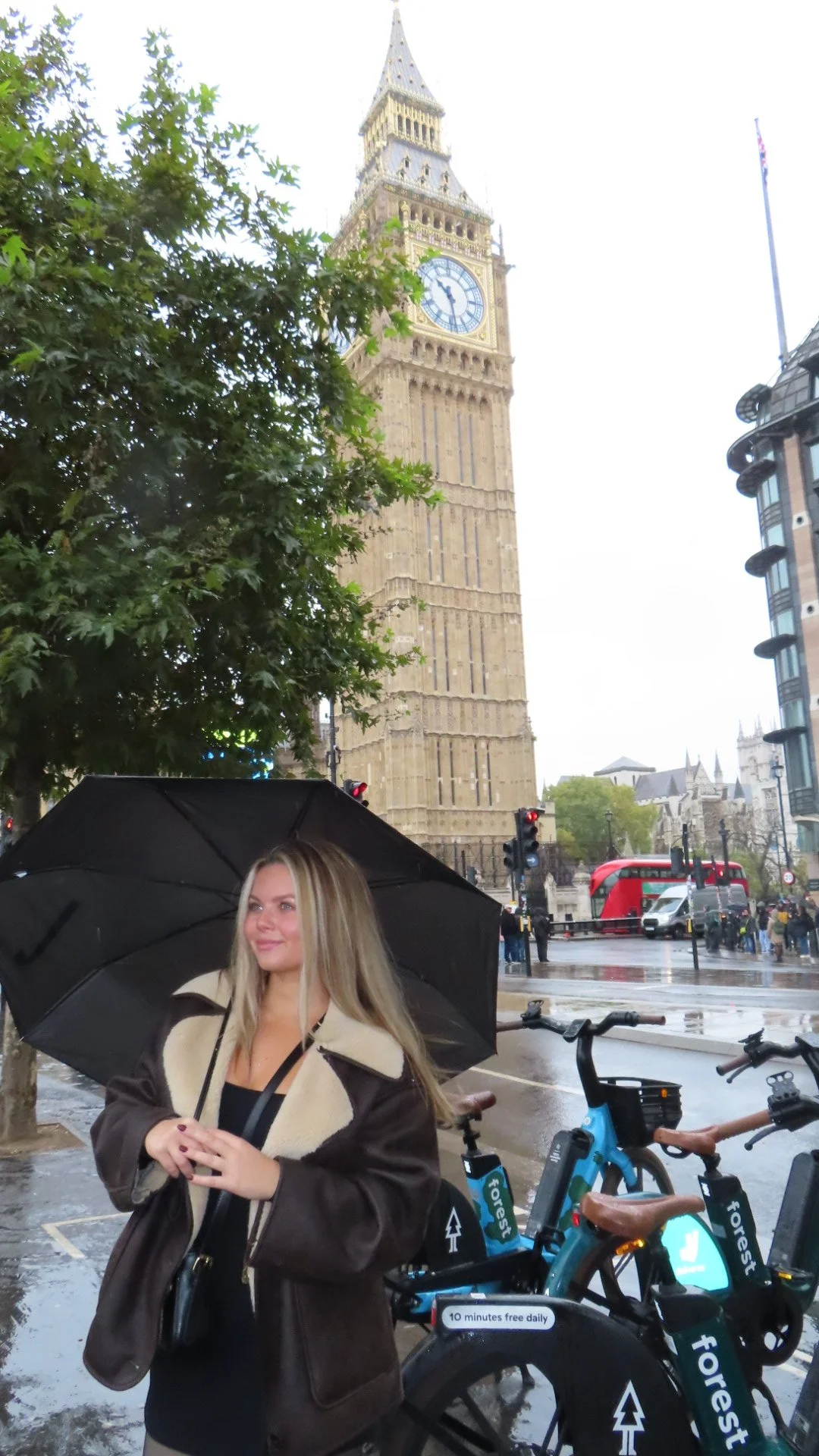
Completed in 1859 as part of the reconstruction of the Palace of Westminster after the devastating fire of 1834, Big Ben has become one of the most recognizable landmarks in the world. The tower, officially renamed the Elizabeth Tower in 2012 to honor Queen Elizabeth II's Diamond Jubilee, was designed by architect Augustus Pugin in the Gothic Revival style. Standing approximately 316 feet (96 meters) tall, its intricate stone carvings, pointed arches, decorative spires, and ornate detailing reflect the grandeur of Victorian architecture and the importance of the British Parliament. Although many visitors refer to the entire structure as "Big Ben," the name actually belongs to the 13.5-ton Great Bell housed inside the tower. The four clock faces, each measuring over 22 feet (7 meters) in diameter, are made from opal glass and framed with elegant gilded detailing. The clock mechanism itself was an extraordinary feat of nineteenth-century engineering and has earned a reputation for remarkable accuracy for more than 160 years. Even after surviving wars, pollution, and extensive restoration work, the clock continues to keep time with impressive precision. Throughout its history, Big Ben has witnessed many of Britain's most significant moments. Its chimes have marked royal celebrations, national commemorations, and periods of conflict, becoming a familiar sound broadcast around the world. During World War II, while much of the Palace of Westminster sustained damage from bombing, the Elizabeth Tower remained standing, reinforcing its status as a symbol of resilience and national pride.
Buckingham Palace
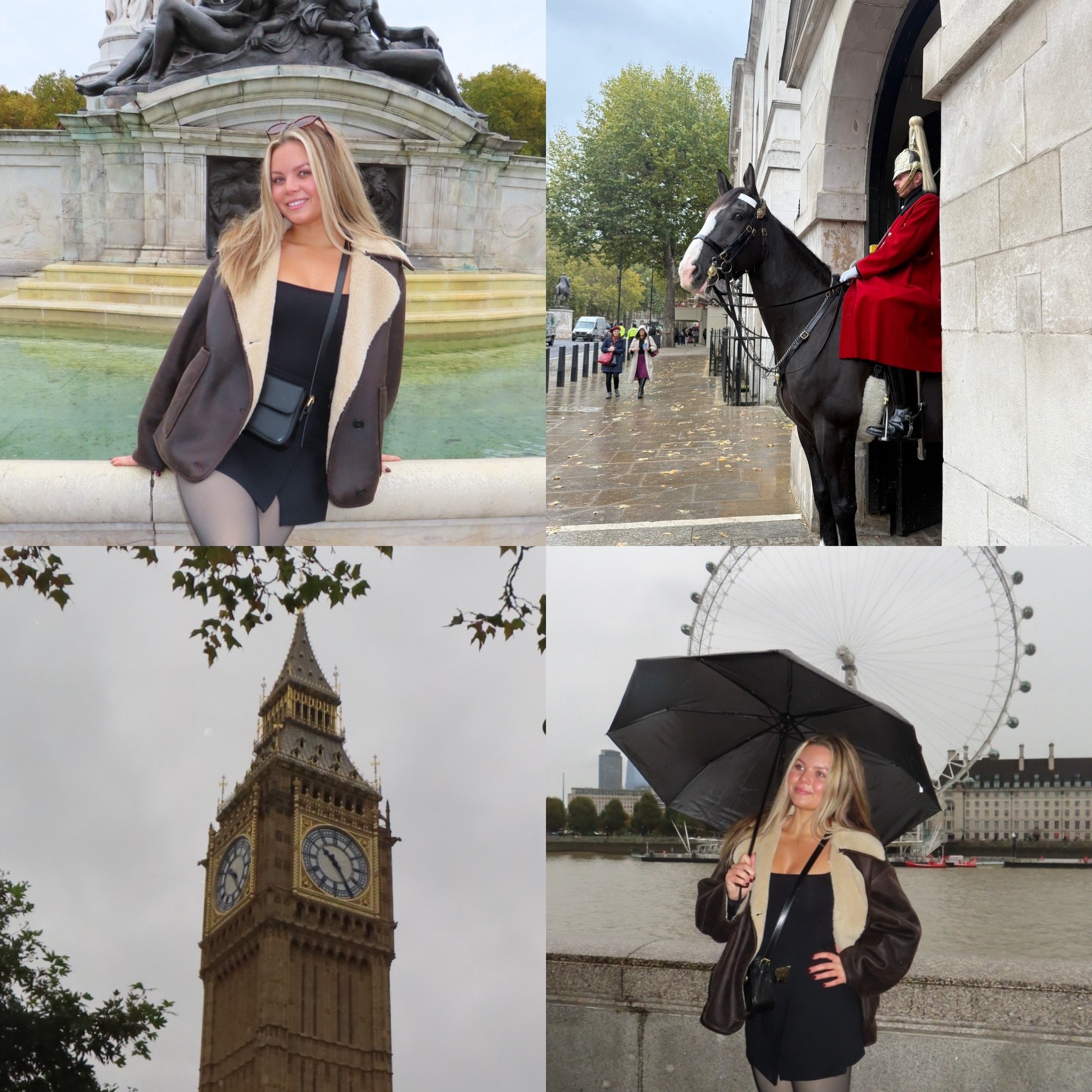
Buckingham Palace stands as one of London's most iconic landmarks and serves as the official residence of the British monarch. Located in the heart of Westminster, the palace has been the center of royal ceremonies, state occasions, and national celebrations for nearly two centuries. Originally built in 1703 as Buckingham House for the Duke of Buckingham, the building was acquired by King George III in 1761 as a private residence for Queen Charlotte. It was later transformed into the magnificent palace seen today by architects John Nash and Edward Blore during the reign of King George IV. The palace now contains more than 775 rooms, including lavish State Rooms, royal apartments, offices, and beautifully decorated reception halls used for official events and diplomatic gatherings. Architecturally, Buckingham Palace is a striking example of Neoclassical design. Its symmetrical limestone façade, elegant columns, ornate balconies, and expansive forecourt create an atmosphere of grandeur while reflecting the refinement of nineteenth-century British architecture. Behind the palace lies a 39-acre garden, the largest private garden in London, featuring a lake, rare trees, and beautifully landscaped grounds that provide a peaceful contrast to the bustling city surrounding it. One of the palace's most celebrated traditions is the Changing of the Guard, a ceremonial display that attracts visitors from around the world. Accompanied by military bands and the precision of the King's Guard, the ceremony highlights centuries of British military tradition and royal pageantry. During the summer months, visitors also have the opportunity to tour the magnificent State Rooms, where priceless works of art from the Royal Collection, elegant chandeliers, and historic furnishings offer a glimpse into royal life.
The Heart of London
Buckingham Palace has served as the official London residence of the British monarch for generations and stands as one of the city's most iconic symbols. Watching the Changing of the Guard is a fascinating experience, showcasing centuries-old ceremonial traditions that continue to draw visitors from around the world. The palace's grand architecture, beautifully maintained gardens, and rich history make it a must-see destination for anyone interested in British culture and heritage. Just a short walk away along the River Thames, the London Eye offers a completely different experience. Rising high above the city skyline, the observation wheel provides breathtaking panoramic views of London's famous landmarks, including Big Ben, the Houses of Parliament, St. Paul's Cathedral, and Tower Bridge. As the capsule slowly rotates, visitors can appreciate the scale and beauty of one of the world's most historic capitals from an unforgettable vantage point. The surrounding South Bank area is equally vibrant, filled with street performers, riverside cafés, public art, and scenic walking paths that create an energetic atmosphere throughout the day. Whether you're taking in the views from the London Eye or strolling along the Thames with Buckingham Palace nearby, these landmarks perfectly represent London's ability to honor its rich history while embracing contemporary life
Moco Museum




Situated beside Marble Arch in the heart of London, Moco Museum brings a vibrant and immersive approach to modern and contemporary art. As the museum's newest location, it continues Moco's mission of making art accessible, engaging, and inspiring through an exciting blend of iconic works, digital installations, and interactive experience. Inside the museum, visitors can discover works by some of the world's most influential artists, including Banksy, Andy Warhol, Jean-Michel Basquiat, Keith Haring, Yayoi Kusama, Damien Hirst, and KAWS. Alongside these celebrated names, immersive digital galleries transform art into a multi-sensory experience, encouraging visitors to engage with creativity in new and unexpected ways. The museum also features rotating exhibitions, ensuring that each visit offers something fresh to explore. Housed in a beautifully restored historic building, Moco Museum London creates a striking contrast between classic architecture and cutting-edge contemporary art. Its thoughtfully curated galleries explore themes such as identity, social change, technology, and popular culture while maintaining an atmosphere that feels welcoming rather than intimidating. This balance allows visitors of all backgrounds to appreciate modern art in an approachable and meaningful way.
The Cotswolds
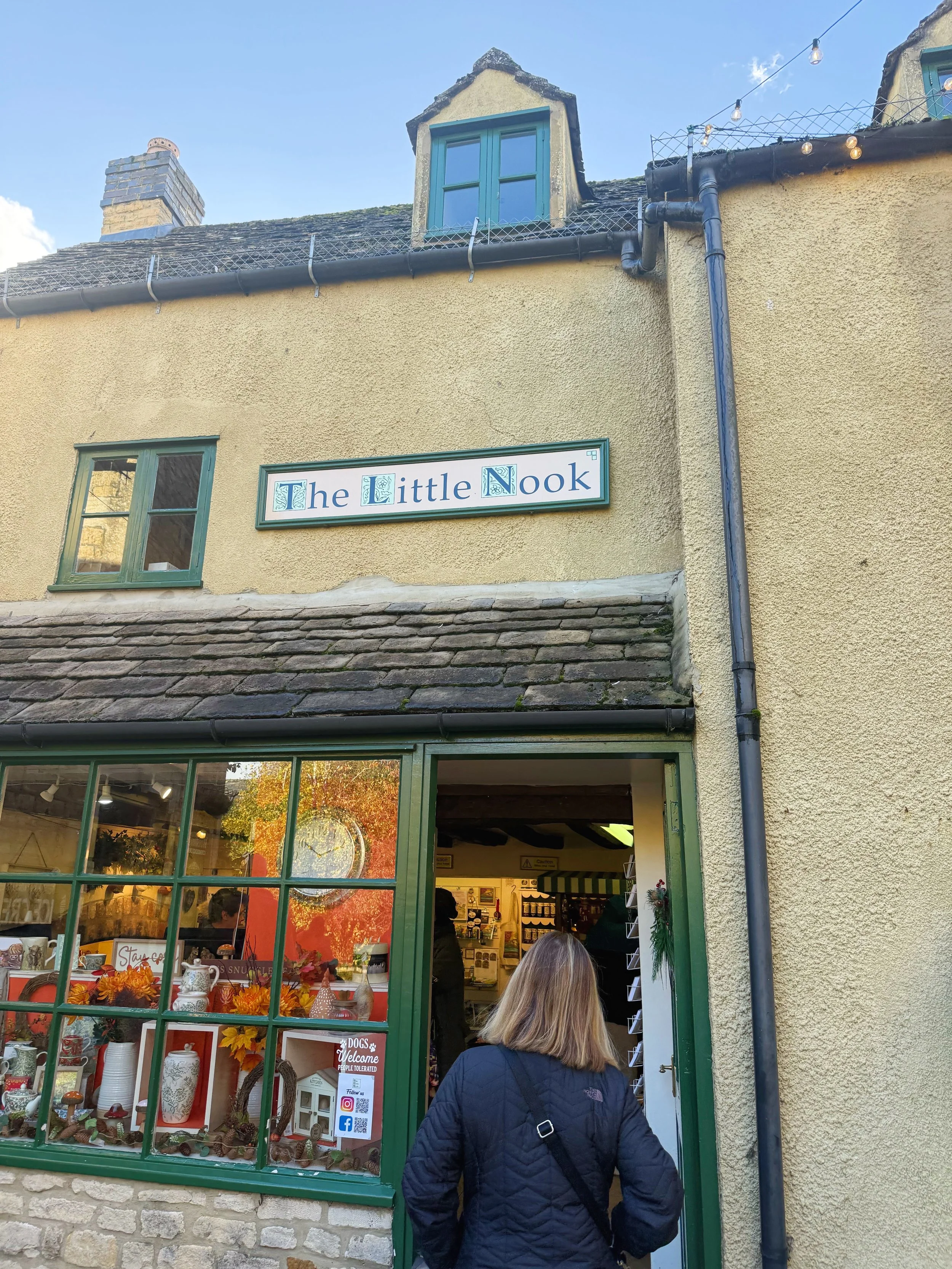
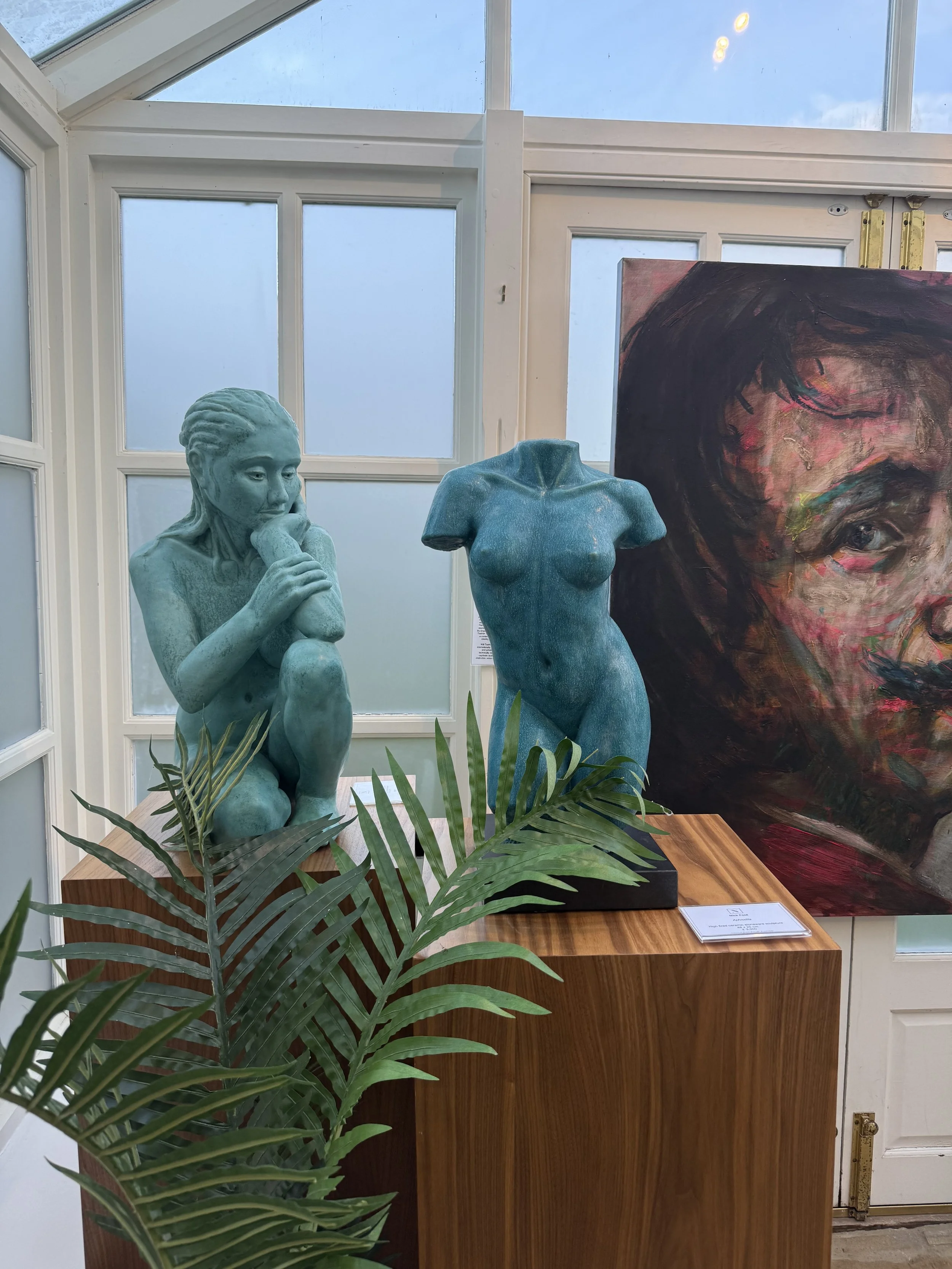
One thing that I was so grateful to do was book a day tour to The Cotswolds. We had the privilege of going to Bibury, Bourton-on-the-Water, and Buford reveals centuries-old architecture, inviting cafés, and scenic walking paths that showcase the English countryside at its finest. There were many small art galleries that we stopped by with beautiful work from local artists. Beyond its postcard-worthy scenery, the Cotswolds offers a rich history that dates back to the medieval wool trade, which helped shape many of its iconic market towns. Today, historic manor houses, castles, and gardens provide a glimpse into England's past while blending seamlessly with the area's natural beauty. Each village has its own personality, making it easy to spend days exploring hidden corners and discovering unexpected treasures.


Notting Hill
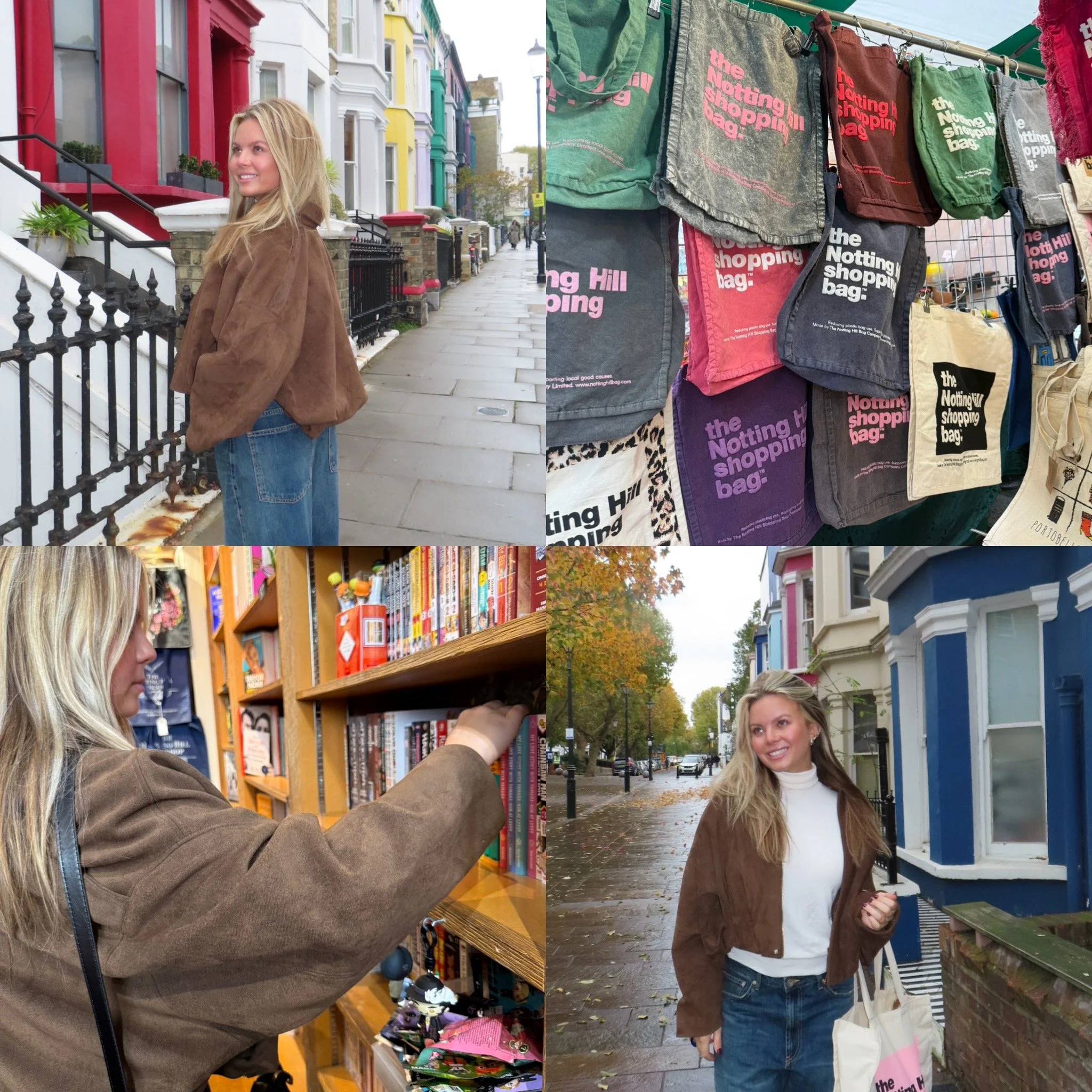
While visiting Notting Hill, I was so excited to visit the iconic rainbow colored houses. The houses did not disappoint, as I recommend everyone who goes to get aesthetic pictures in front of them. A visit to Notting Hill wouldn't be complete without exploring Portobello Road Market, one of the world's most famous street markets. Stretching through the heart of the neighborhood, the market is filled with antique dealers, vintage clothing, artisan food vendors, and unique local shops. Every visit offers something different, making it the perfect place to discover hidden treasures while experiencing the neighborhood's lively energy. I highly recommend get the iconic Notting Hill shopping bag as a great souvenir. I was also able to get a customized passport cover while I was there. A lot of people say that some of the shops including the passport cover shop are scams, but honestly I didn’t care and thought all of the vendors were worth stopping at. Throughout the year, Notting Hill also hosts cultural events, including the world-renowned Notting Hill Carnival, which celebrates the area's rich Caribbean heritage through music, dance, and vibrant performances.
Hidden Gems
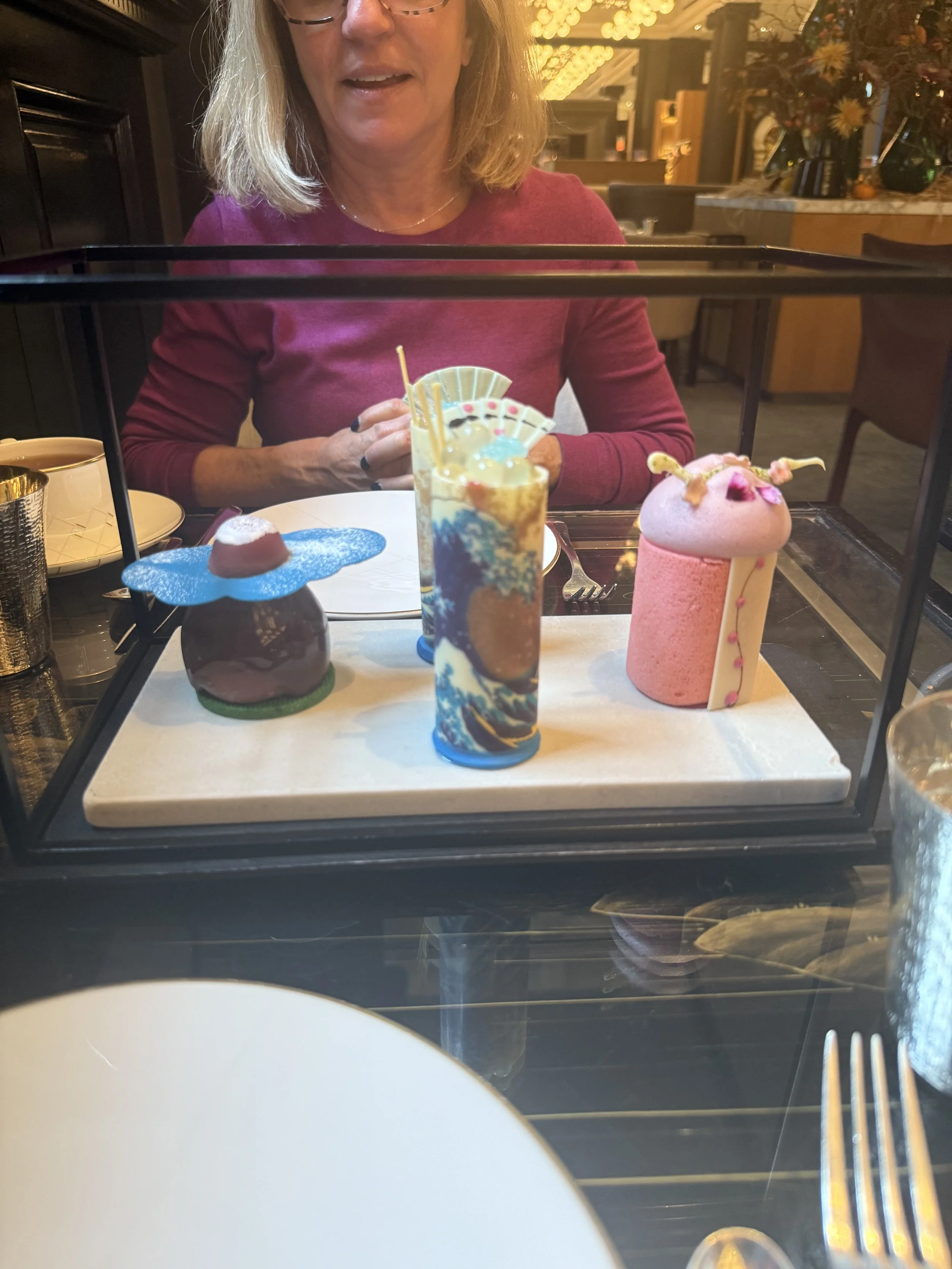
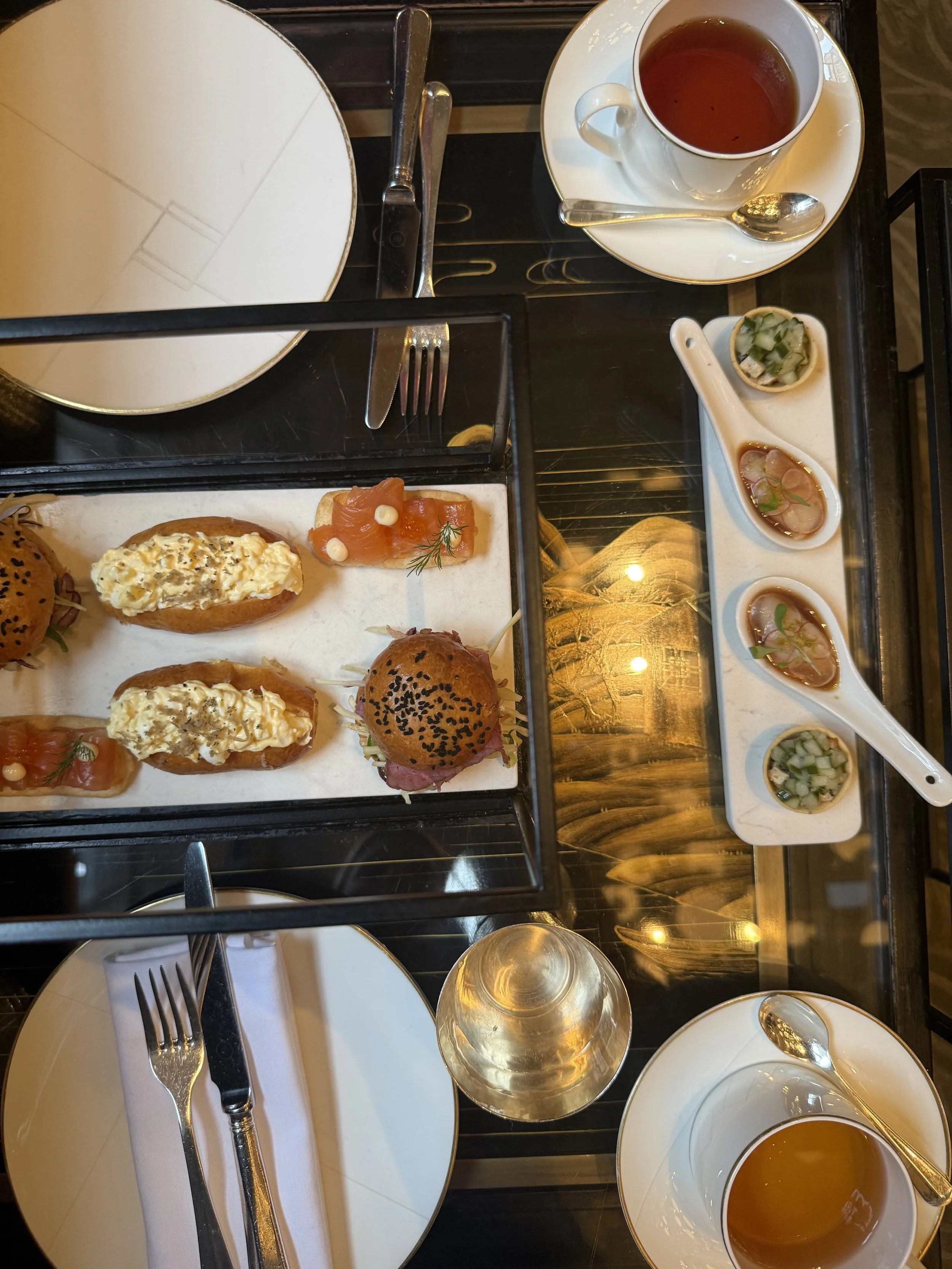
If I were to recommend anything in London, first on the list would be high tea. We went to a very fancy brunch in the Rosewood hotel which I highly recommend. The service, tea, and the food was absolutely incredible and not to mention the beauty of the hotel itself. There were so many options of tea and a full multi-page menu in which they serve you a different tea of your choice with every course (3 courses total). You can find so many different places around London for high tea that best suits your interests and budget. Another recommendation for high tea I would give is the Mad Hatters afternoon tea which my family and I did several years ago when I was young. Its great for families and honestly all ages. The food and tea was amazing as well.
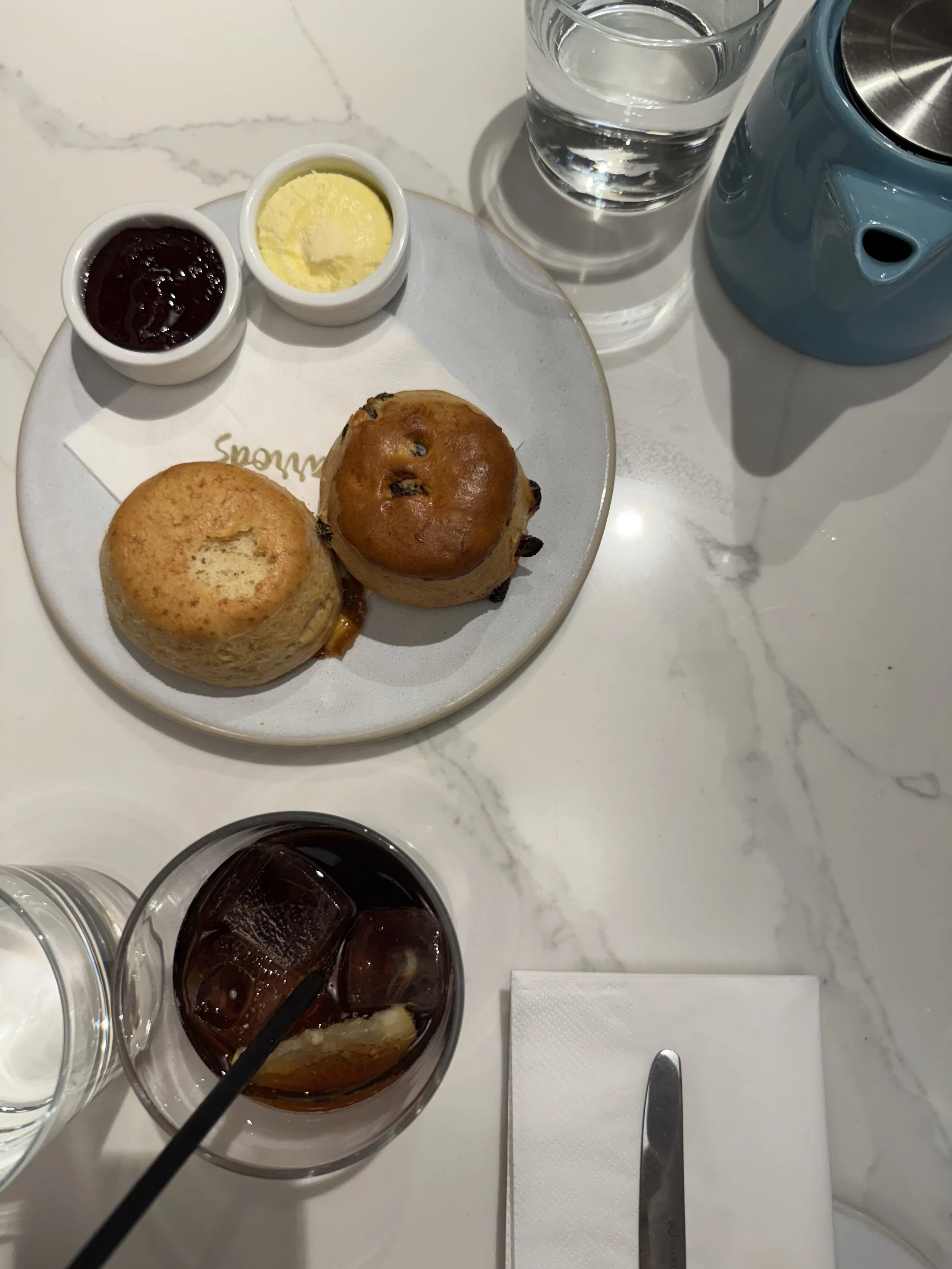
No trip to London would be complete without tea and crumpets. While shopping at Harrods, the famous luxury department stores in London, we stopped by the Harrods Cafe for a quick snack. The crumpets were soft, fluffy and not overly sweet. On the side, we it came with butter and jam.
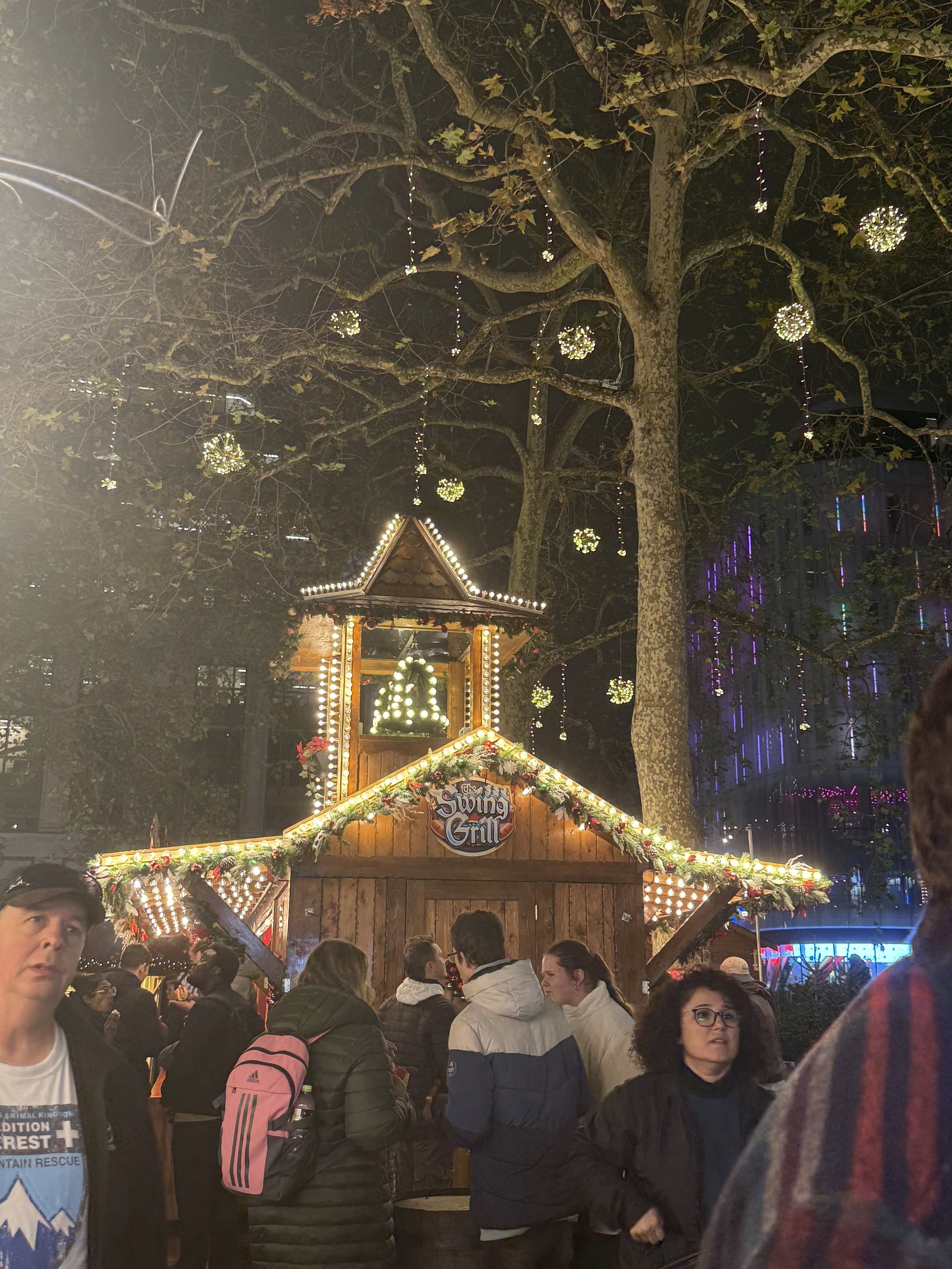
Since we were in London at the end of fall, we got to actually experience Londons very first Christmas market. Located next to Covent Garden, the lively atmosphere and various vendors, offered us an unforgettable experience. If you are in London during the holidays, it would be a disservice to not stop by the Christmas markets.

Outfit Inspo for London