Amsterdam, Netherlands
Overview
The great think about staying in London is that the Eurostar train is only 5 hours away from Amsterdam. We were in Amsterdam for about 2 days and it did not disappoint. Known for its picturesque canals, narrow townhouses, world-class museums, and relaxed atmosphere, the Dutch capital has a character that feels completely distinct from other European cities. I would definitely put Amsterdam at one of my top favorite cities in Europe and would love to move here some day.
Anne Frank Museum
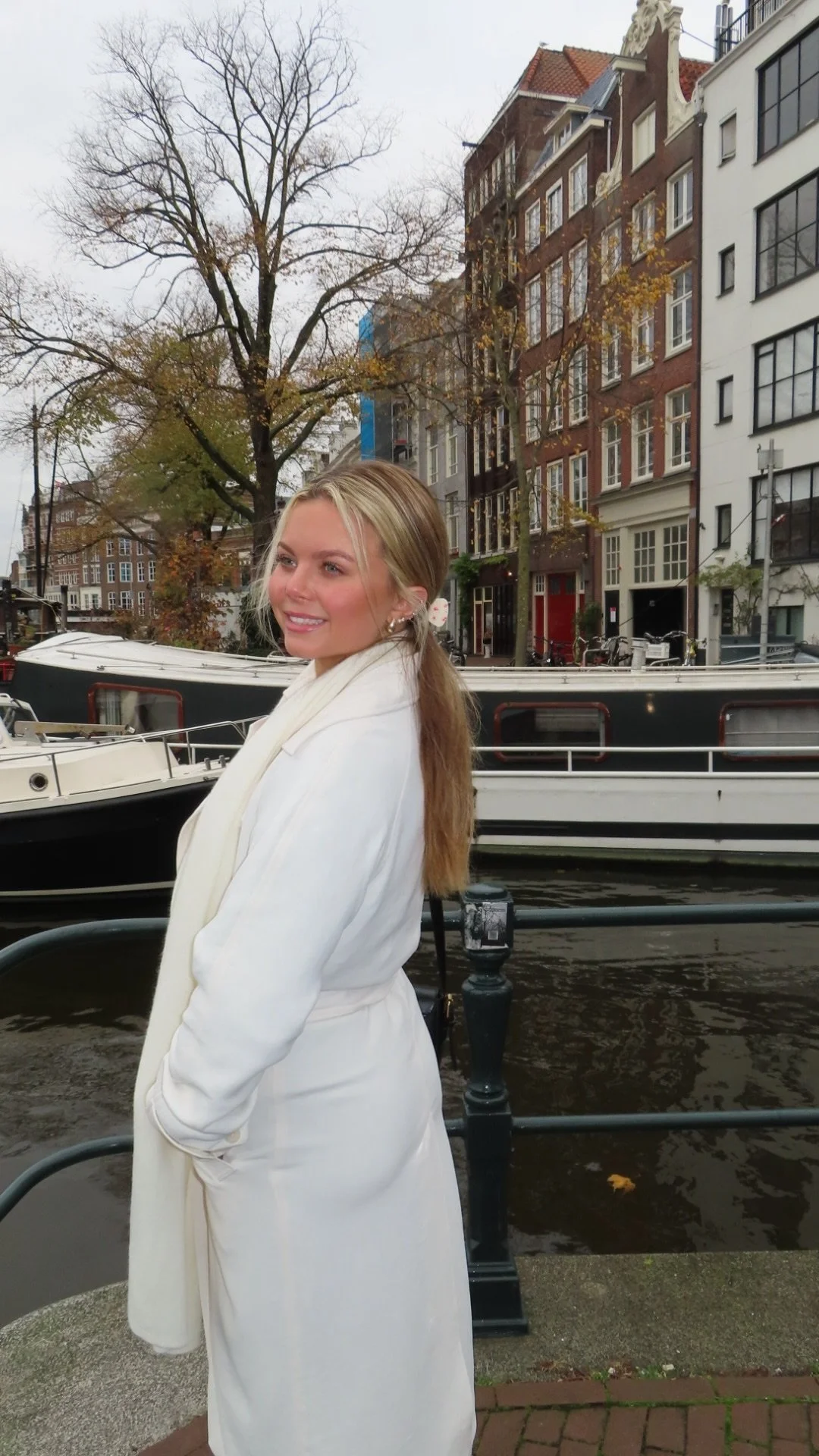
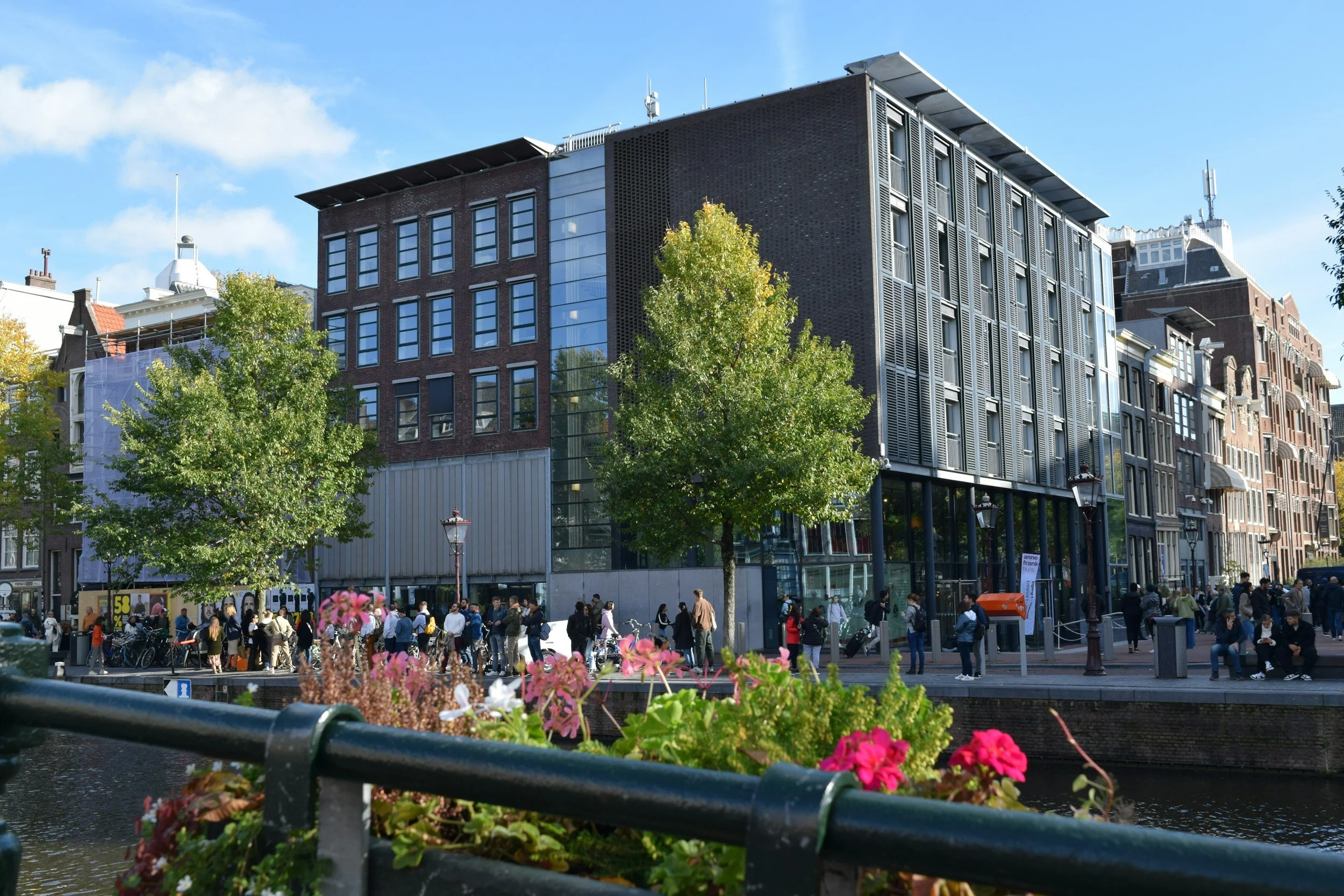
Located along Amsterdam’s picturesque Prinsengracht canal, the Anne Frank House is one of the city’s most meaningful and emotionally powerful museums. The building preserves the place where Anne Frank, her family, and four other people hid from Nazi persecution during World War II. Today, visitors can walk through the rooms that once formed the Secret Annex and learn about Anne’s life through photographs, historical documents, personal belongings, and excerpts from her diary. Anne Frank received her diary for her thirteenth birthday and began documenting her thoughts, fears, and experiences shortly before her family went into hiding in 1942. For more than two years, the eight people living in the annex remained concealed behind a movable bookcase. Although the rooms are now mostly empty, their simplicity makes the experience even more moving. The narrow staircases, darkened windows, and confined spaces help visitors understand the difficult conditions in which the group lived. One of the most memorable parts of the museum is seeing Anne’s original diary. Her writing transformed her personal experience into one of the world’s most widely recognized accounts of the Holocaust. Anne’s words reveal not only the terror of persecution but also the hopes and ordinary emotions of a young girl growing up under extraordinary circumstances.
Stroopwaffles
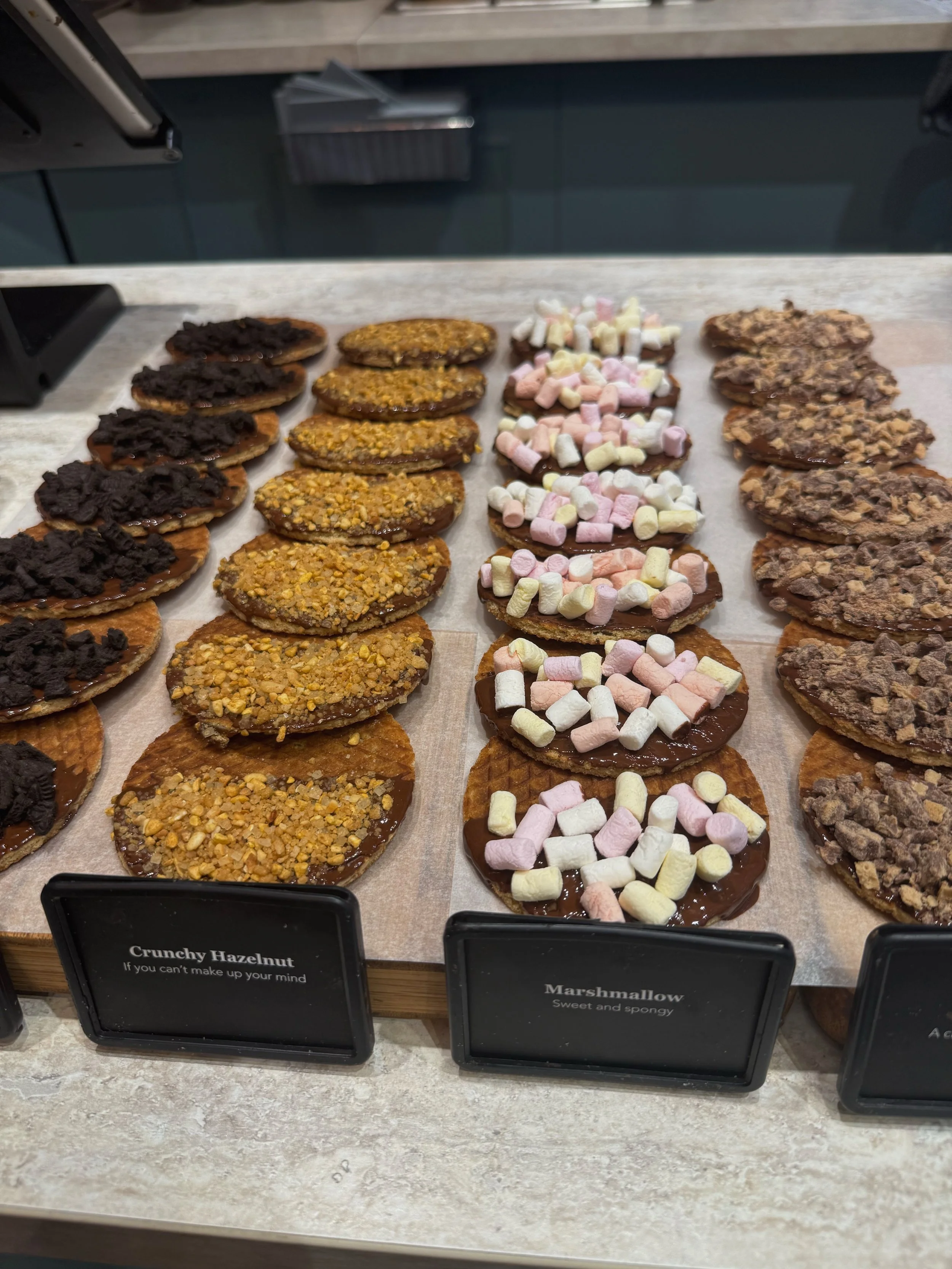
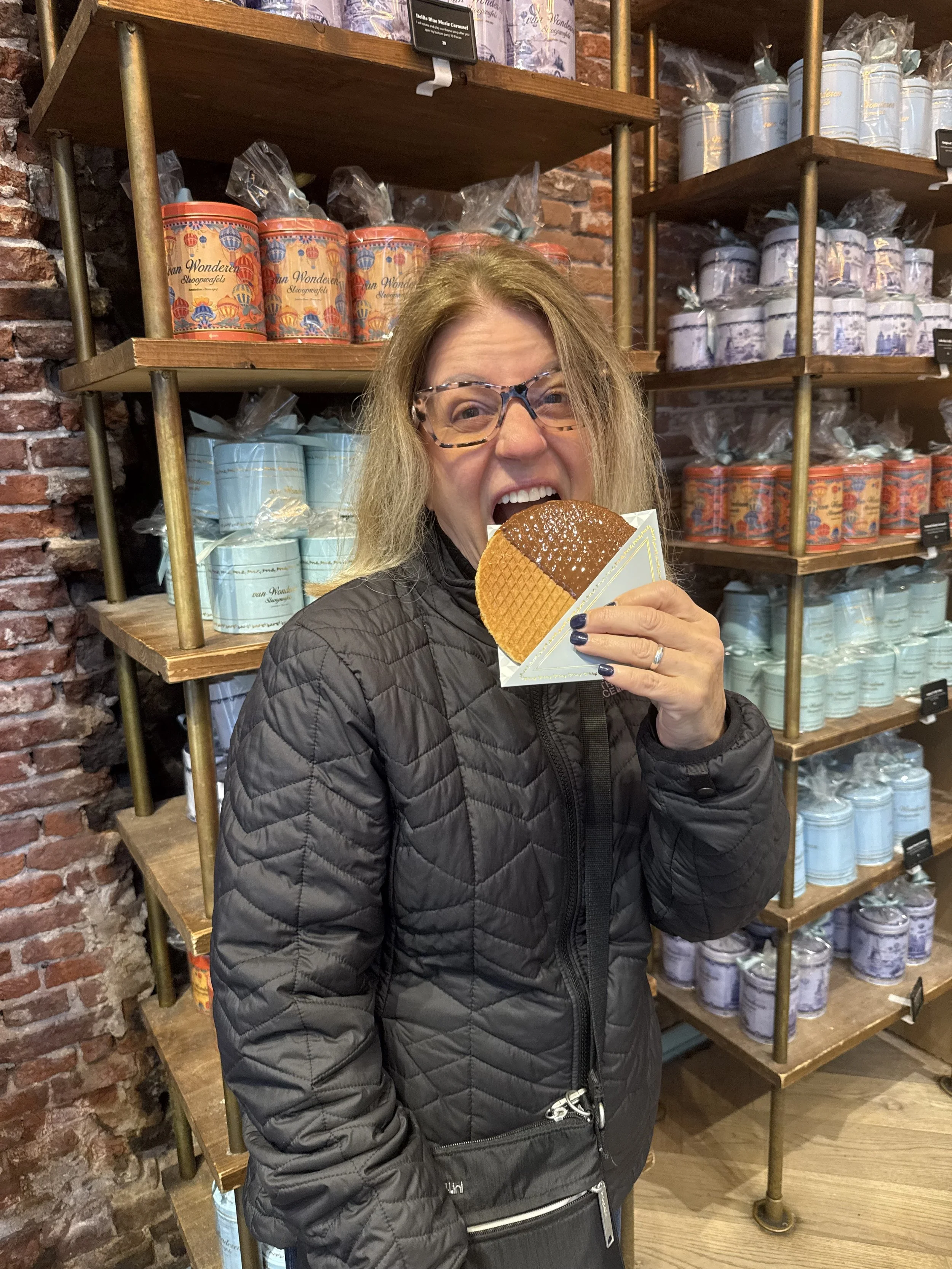
No trip to the Netherlands is complete without trying a warm stroopwafel. This traditional Dutch treat consists of two thin, crispy waffle cookies held together by a sweet, sticky caramel syrup filling. The combination of the lightly spiced waffles and rich syrup creates the perfect balance of crispness, softness, and sweetness. Stroopwafels originated in the city of Gouda during the nineteenth century. They were initially made using leftover bakery crumbs and syrup, making them an affordable treat. Over time, they became one of the Netherlands’ most recognizable foods and can now be found in bakeries, cafés, markets, and grocery stores throughout Amsterdam. One of the best ways to experience a stroopwafel is freshly made at a street market. Vendors press the dough in a hot waffle iron, slice the warm waffle into two thin layers, and spread caramel syrup between them. Stroopwafels are also traditionally placed over a cup of hot coffee or tea for a few minutes. The steam gently warms the waffle and softens the caramel center.
Canals
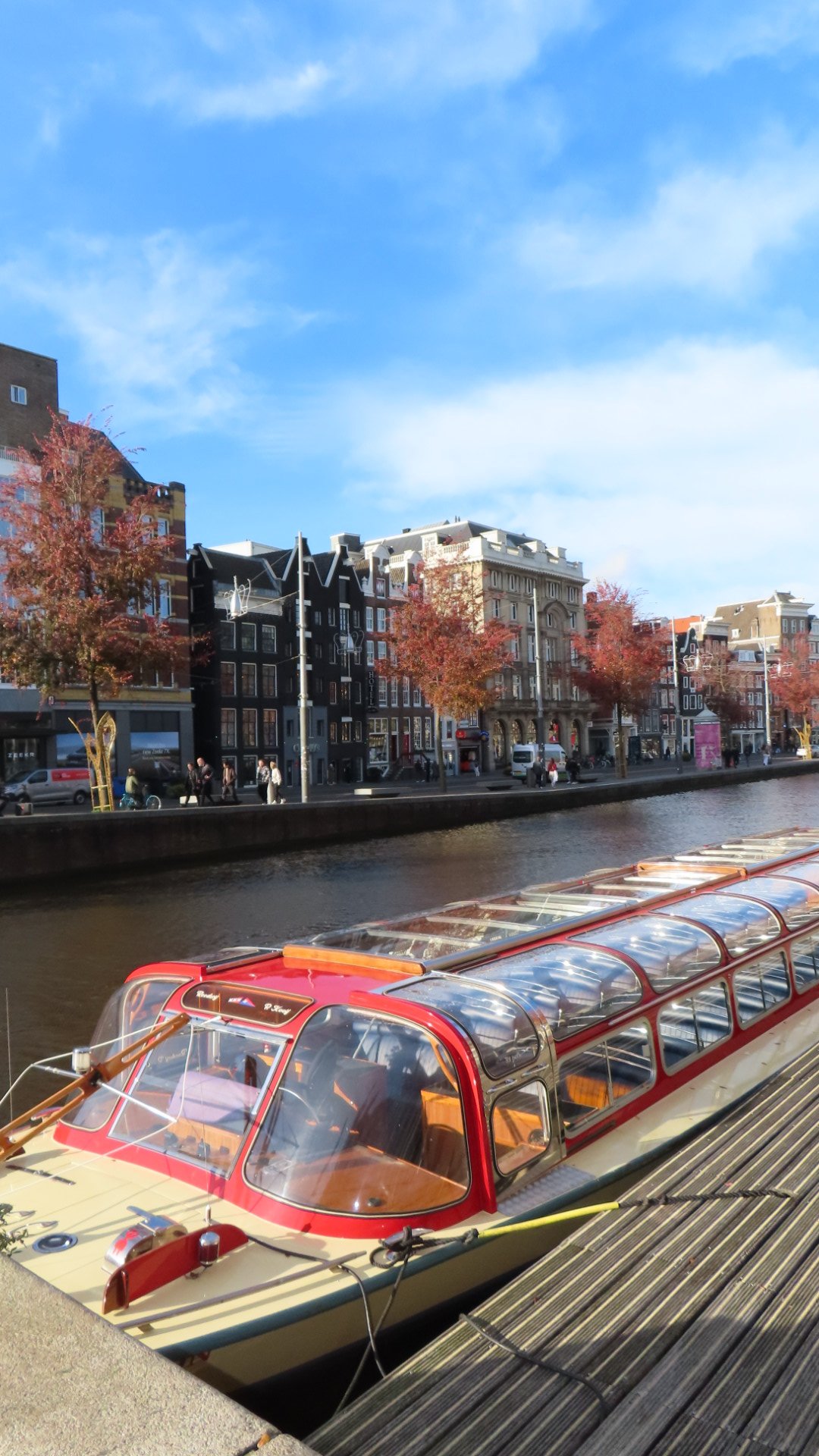
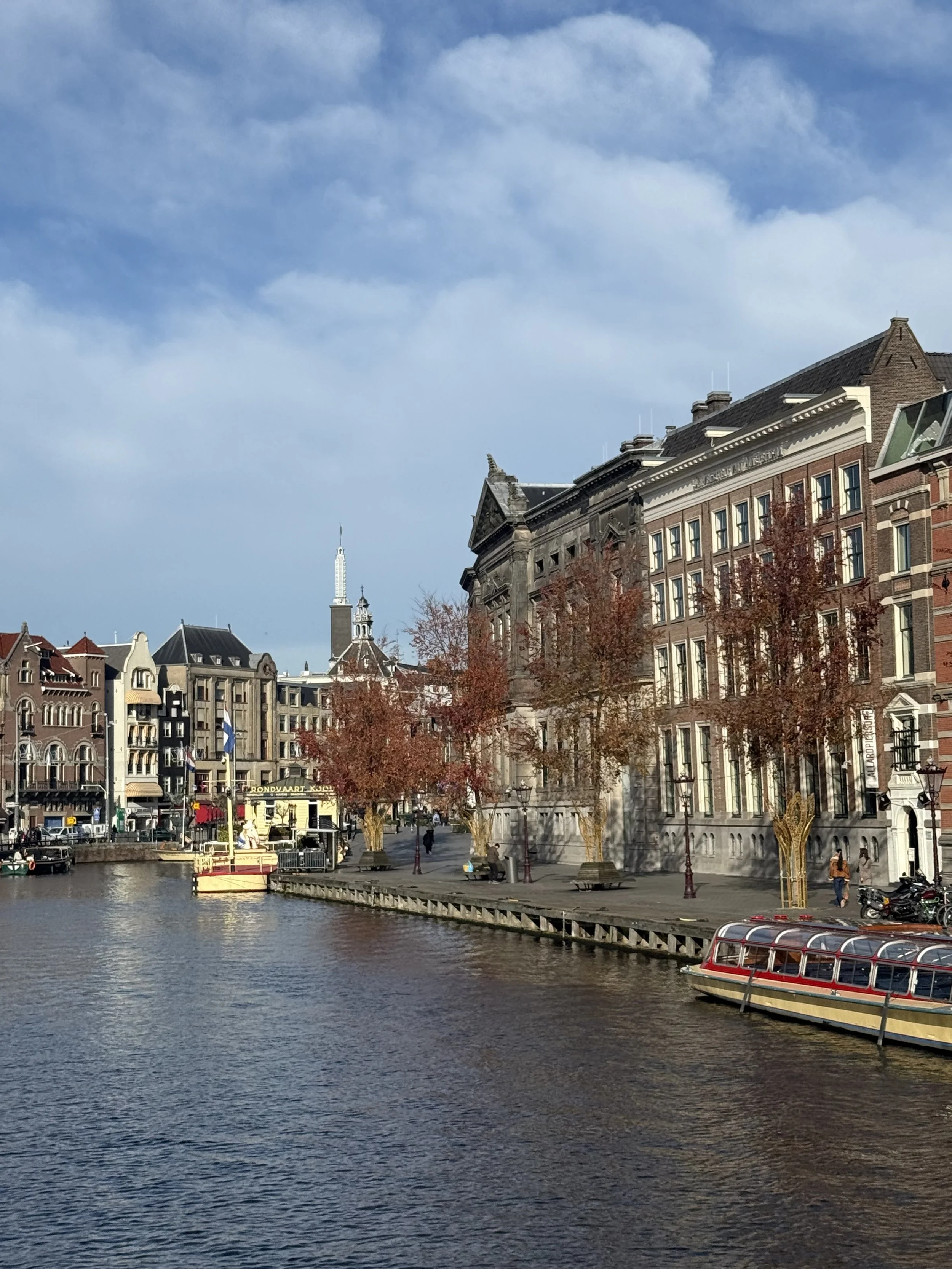
Amsterdam’s canals are among the city’s most recognizable and enchanting features. Flowing past narrow townhouses, historic bridges, and tree-lined streets, they create the picturesque scenery that gives Amsterdam its distinctive character. Whether explored by boat, bicycle, or on foot, the canals offer a beautiful way to experience the city. Much of Amsterdam’s famous canal belt was developed during the seventeenth-century Dutch Golden Age. The three principal canals—Herengracht, Keizersgracht, and Prinsengracht—form elegant semicircles around the historic center. They were designed to support transportation, trade, water management, and the city’s rapid growth. Today, Amsterdam’s seventeenth-century canal ring is recognized as a UNESCO World Heritage Site. Along the canals stand rows of tall, narrow houses with decorative gabled façades. Many were originally built for wealthy merchants who used the lower levels to store goods while living above them. The canals are also crossed by hundreds of bridges, creating some of Amsterdam’s most charming views—especially when their lights reflect across the water at night.