Rome, Italy | The Vatican City
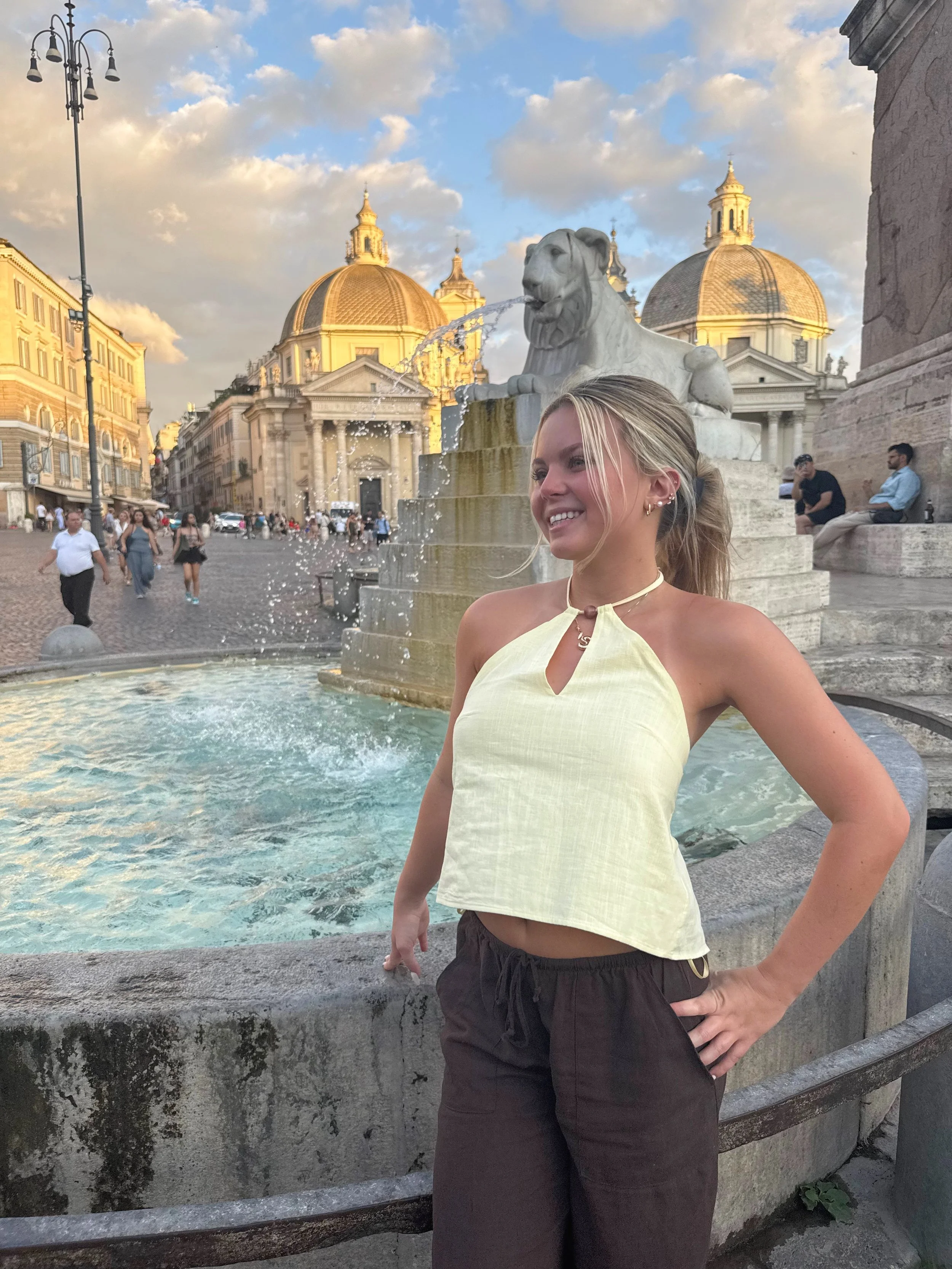
The Vatican City
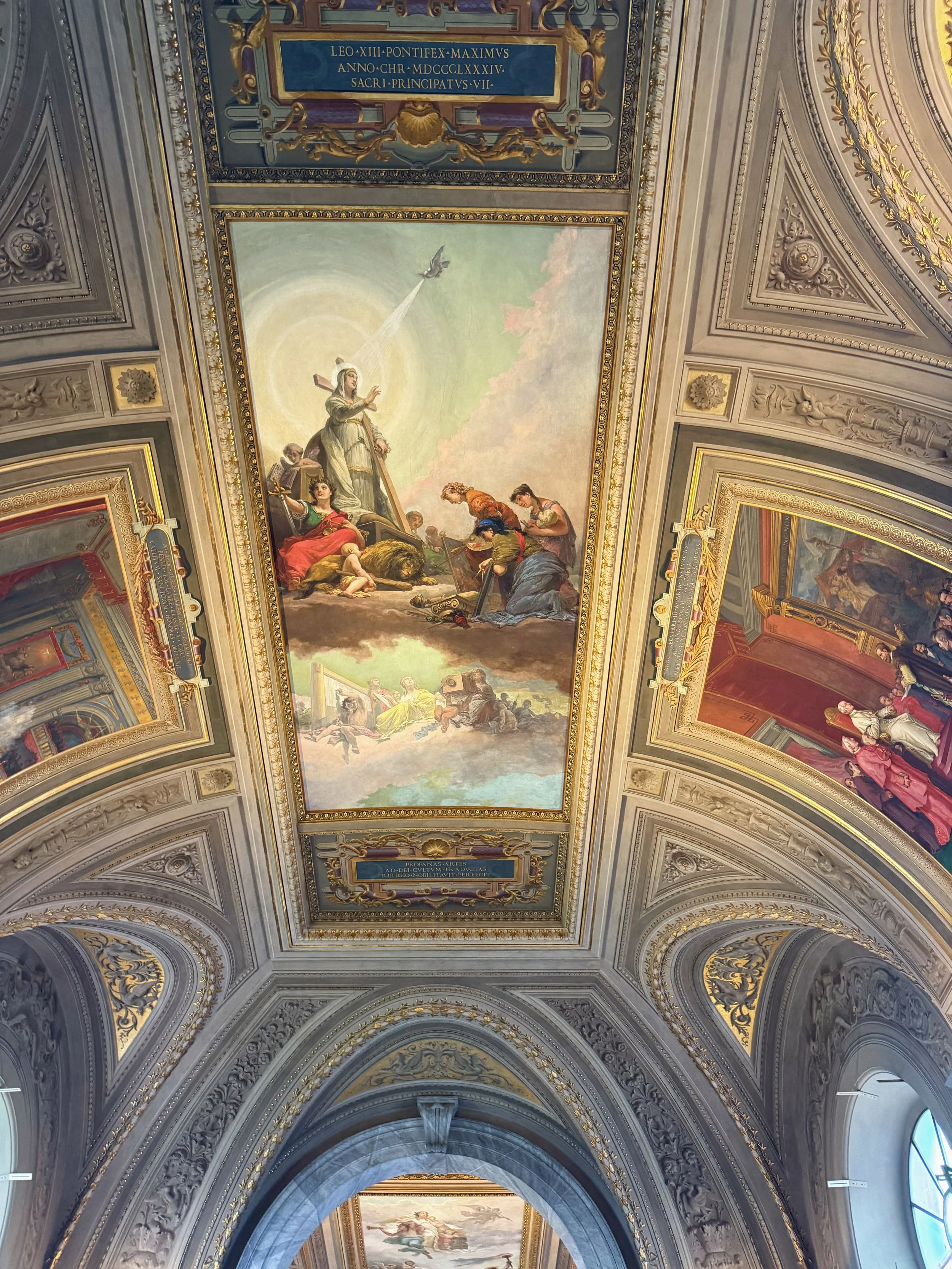
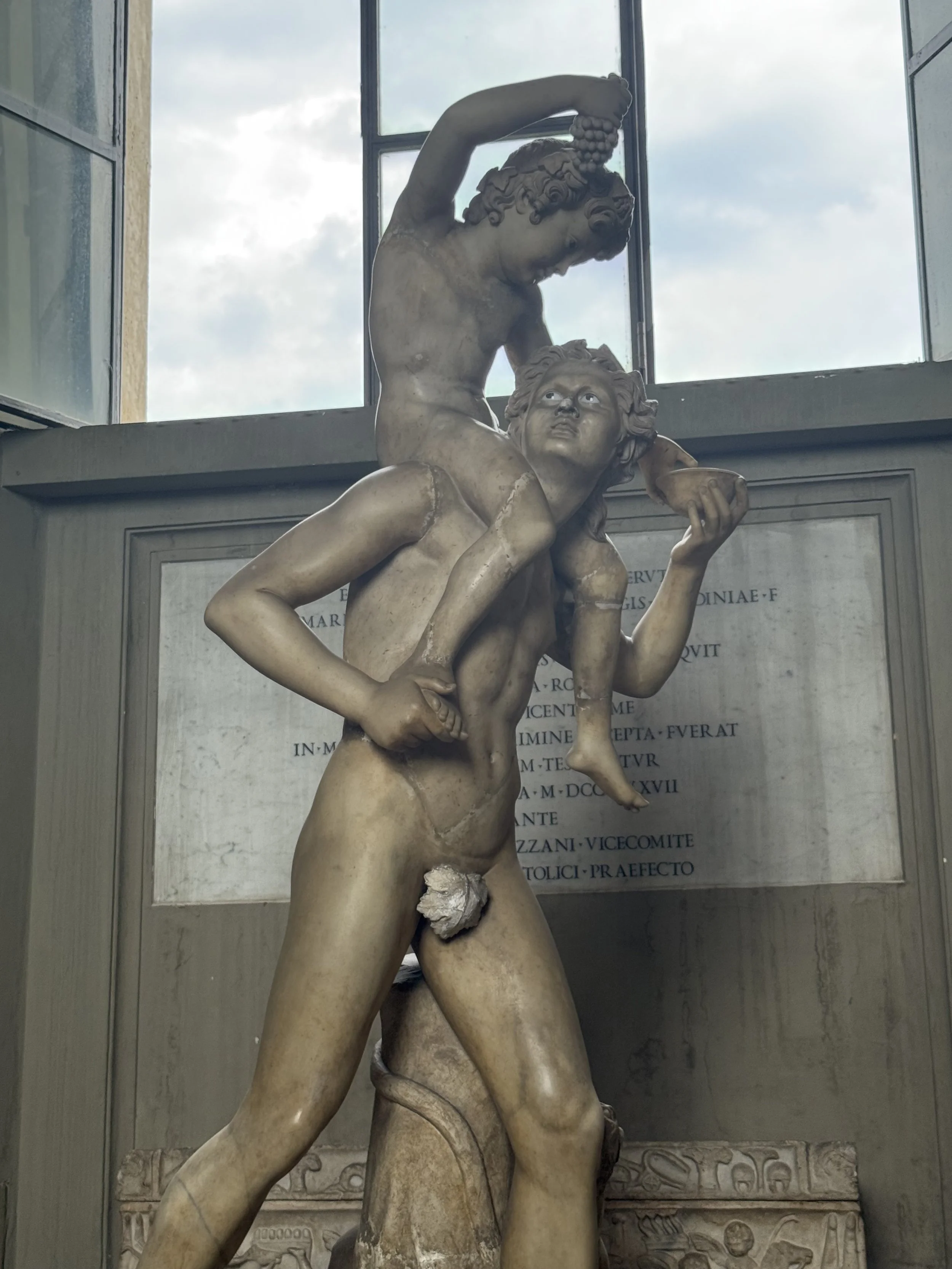
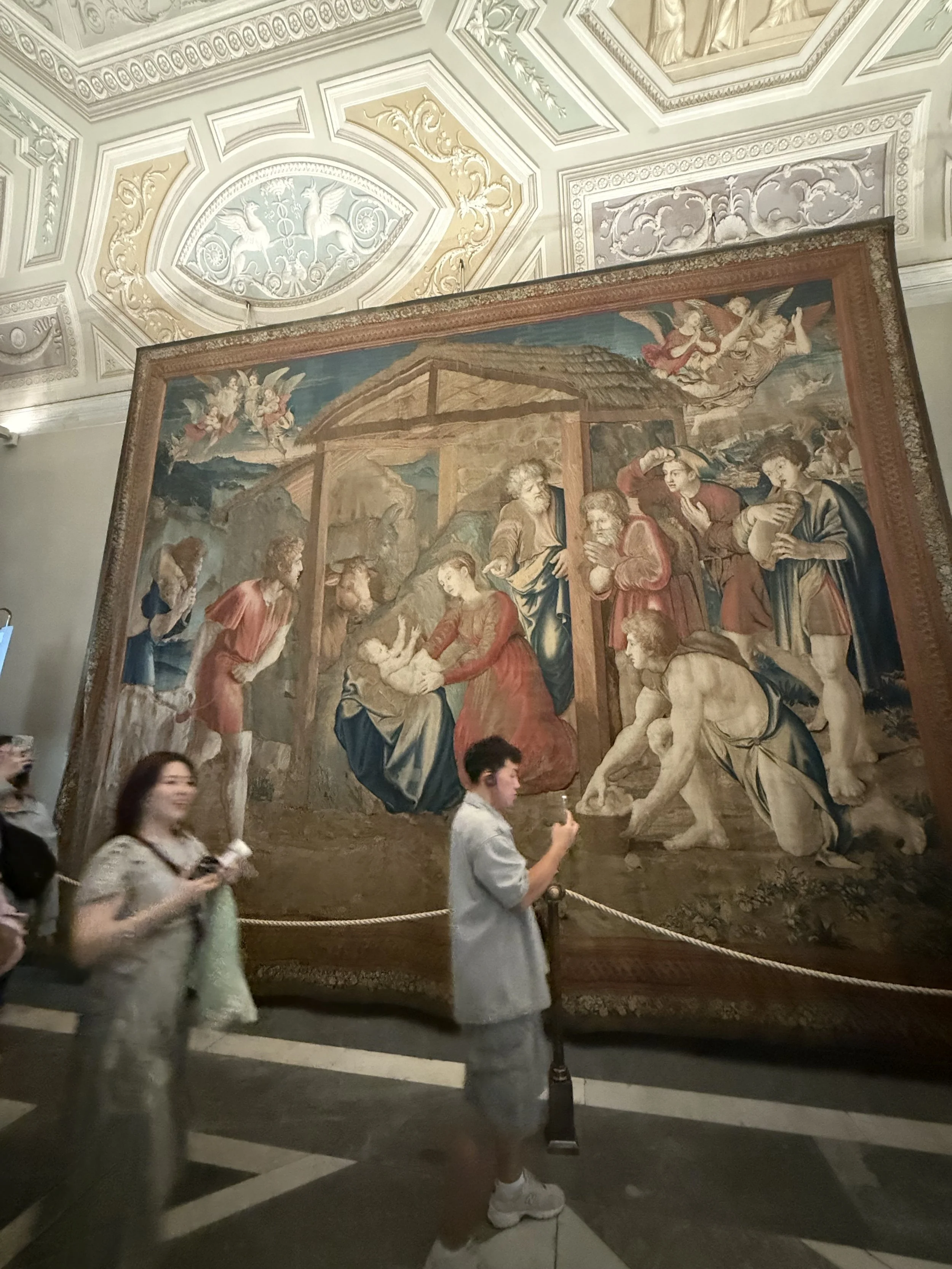
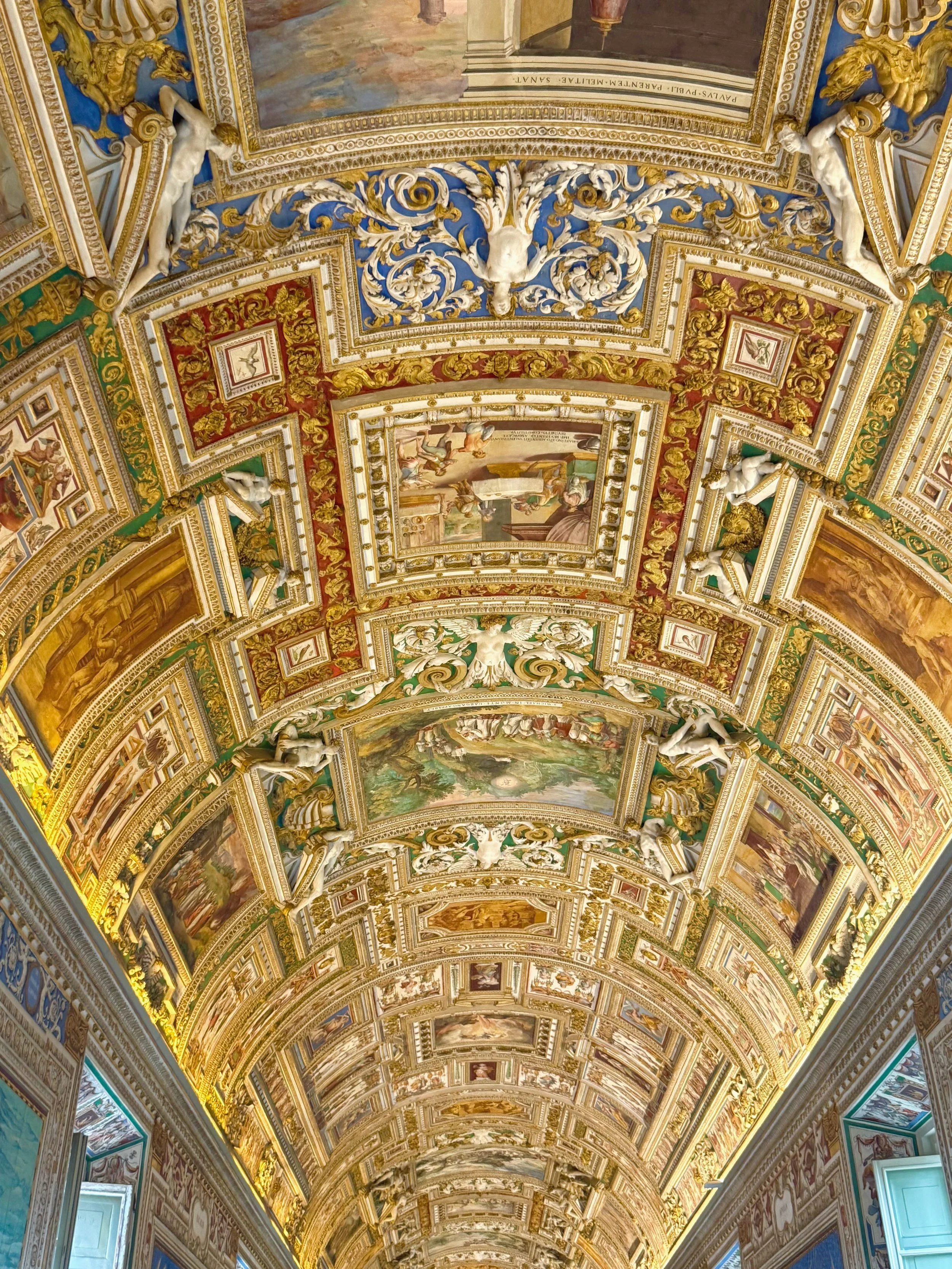
The Vatican Museums
Founded by Pope Julius II in the early 16th century, the museums display centuries of artistic, religious, and cultural history. Visitors can explore grand galleries filled with ancient Roman sculptures, Renaissance paintings, detailed tapestries, historic maps, and treasures collected by generations of popes.The highlight of the experience is the Sistine Chapel, where Michelangelo’s breathtaking ceiling depicts scenes from the Book of Genesis, including The Creation of Adam. His dramatic Last Judgment covers the wall behind the altar. The Raphael Rooms are another must-see, especially The School of Athens, which brings together famous philosophers and thinkers from the ancient world. Beyond its masterpieces, the Vatican Museums are easily one of the best places to see architecture in Europe.
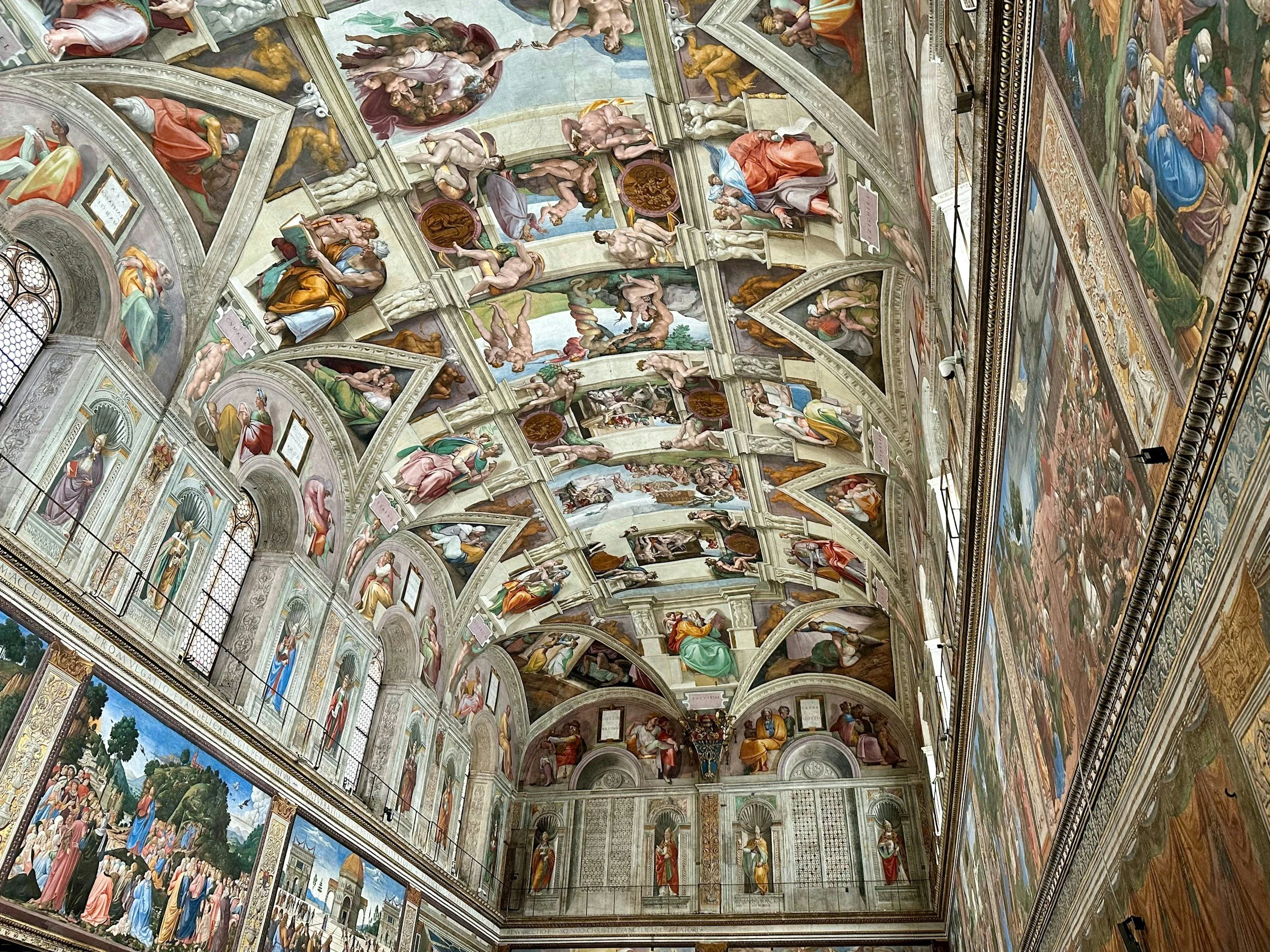
The Sistine Chapel
Located inside Vatican City, the Sistine Chapel is one of the most celebrated artistic and religious sites in the world. Built during the late 15th century for Pope Sixtus IV, the chapel continues to serve an important role in the Catholic Church. It is most famously used for the papal conclave, during which cardinals gather to elect a new pope. The chapel is best known for Michelangelo’s extraordinary ceiling, painted between 1508 and 1512. Its frescoes illustrate scenes from the Book of Genesis, including the iconic Creation of Adam, in which the hands of God and Adam nearly touch. Michelangelo later returned to paint The Last Judgment on the wall behind the altar, creating a dramatic scene representing the final judgment of humanity. Although Michelangelo’s work receives the most attention, the chapel also contains beautiful frescoes by Renaissance artists such as Botticelli, Perugino, and Ghirlandaio. I Just a reminder there is a dress code to get into the Sistine Chapel; women must have their shoulders covered.
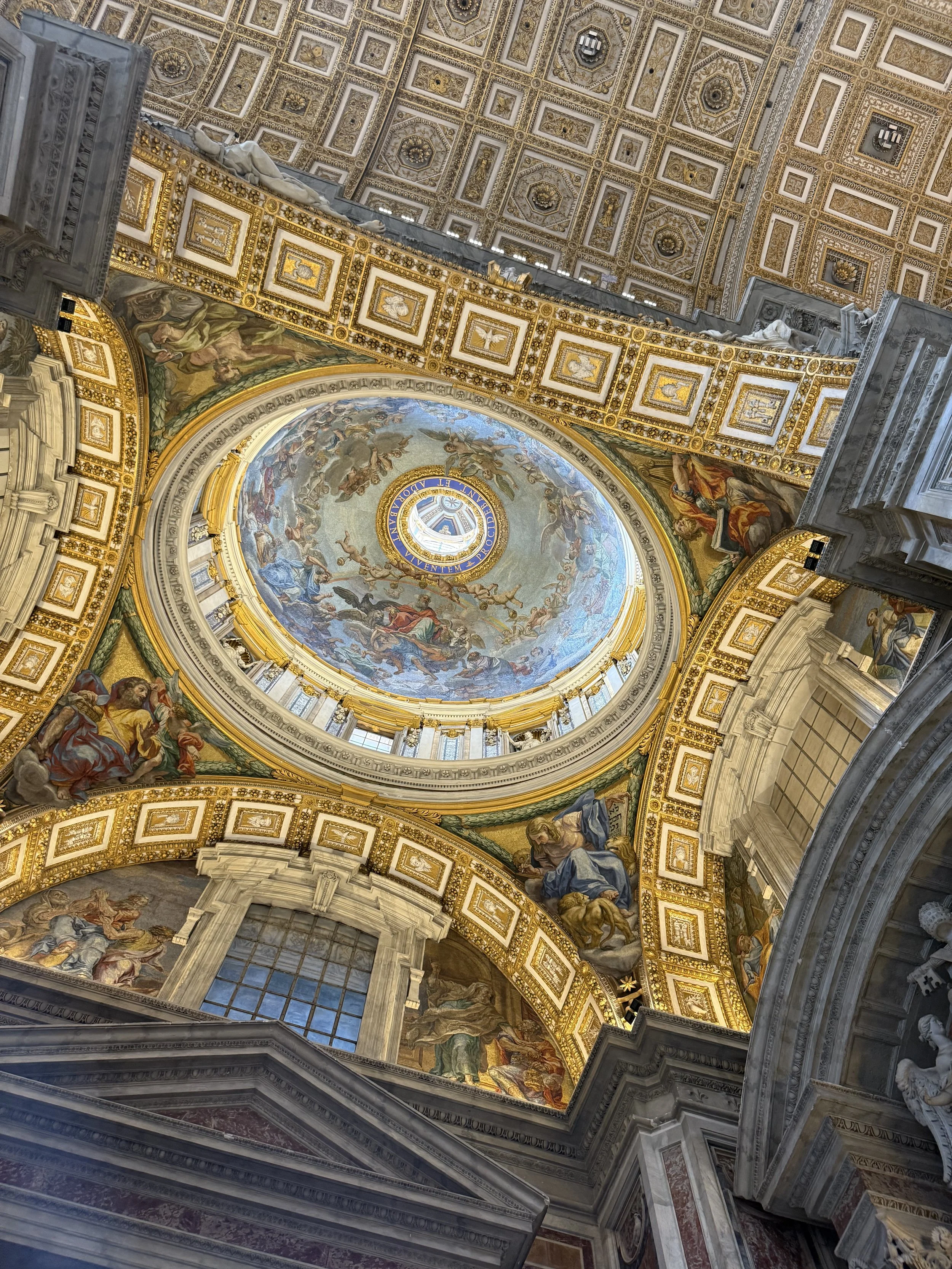
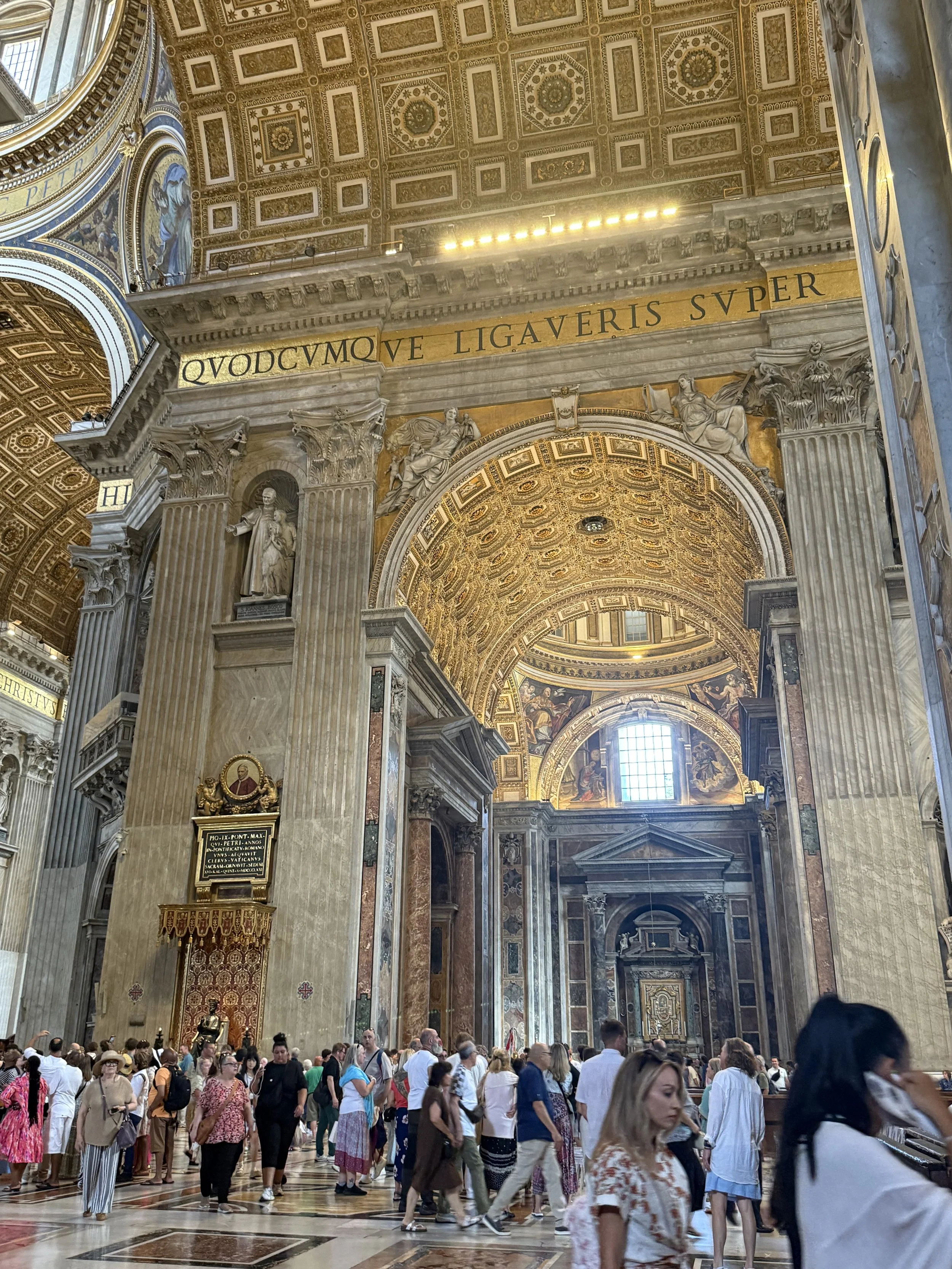
St. Peters Basilica
Located in the heart of Vatican City, St. Peter’s Basilica is one of the most magnificent and historically important churches in the world. Built between the 16th and 17th centuries, the basilica stands on the traditional burial site of Saint Peter, one of Jesus’s apostles and the first pope. Its enormous size, artistic treasures, and religious significance make it an essential destination when visiting Rome. The basilica was designed by several celebrated Renaissance architects, including Bramante, Michelangelo, and Carlo Maderno. Michelangelo designed its famous dome, which rises above Vatican City and offers breathtaking views of Rome. Inside, visitors can admire intricate mosaics, marble sculptures, grand monuments, and beautifully decorated chapels. One of its most treasured artworks is Michelangelo’s Pietà, an emotional sculpture depicting the Virgin Mary holding the body of Jesus. Outside the basilica is St. Peter’s Square, designed by Gian Lorenzo Bernini. Its sweeping colonnades appear to embrace visitors as they enter the Vatican.
The Colosseum
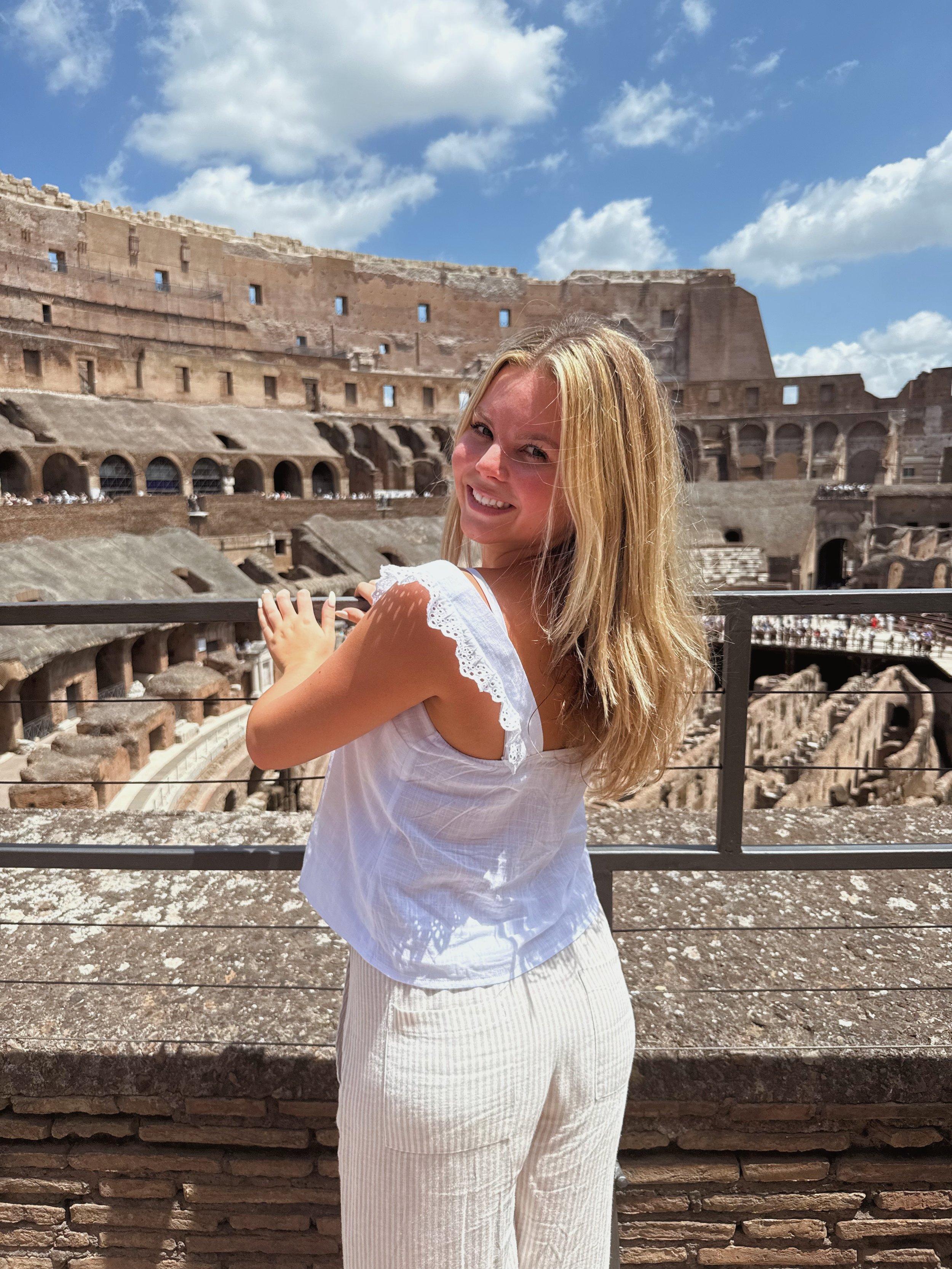
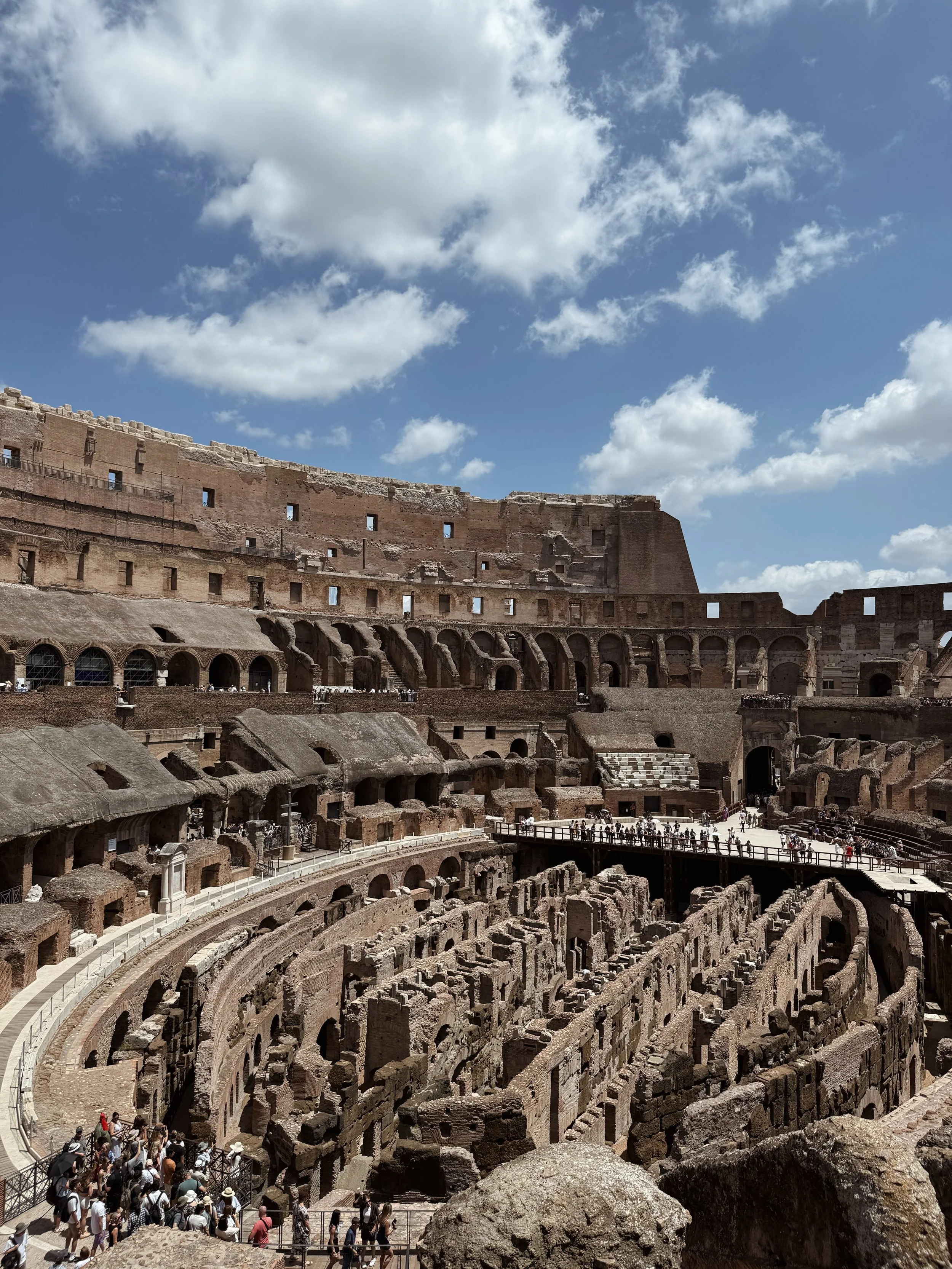
Standing in the center of Rome, the Colosseum is one of the most recognizable landmarks in the world. Construction began under Emperor Vespasian around AD 72, and the amphitheater was completed under his son, Emperor Titus, in AD 80. Originally known as the Flavian Amphitheatre, it could accommodate tens of thousands of spectators and represented the power and engineering achievements of the Roman Empire. The Colosseum hosted gladiatorial contests, animal hunts, public spectacles, and reenactments of famous battles. Its complex underground area, known as the hypogeum, contained tunnels, cages, elevators, and preparation rooms used to move gladiators and animals into the arena. Its tiered seating reflected Roman society, with spectators arranged according to their social status. Although earthquakes, weather, and the removal of stone have damaged much of the original structure, the Colosseum remains an extraordinary example of ancient Roman architecture. I was most surprised with how massive this complex is. Just imagining how they build this huge arena back in time is pretty insane.
Arch of Constantine
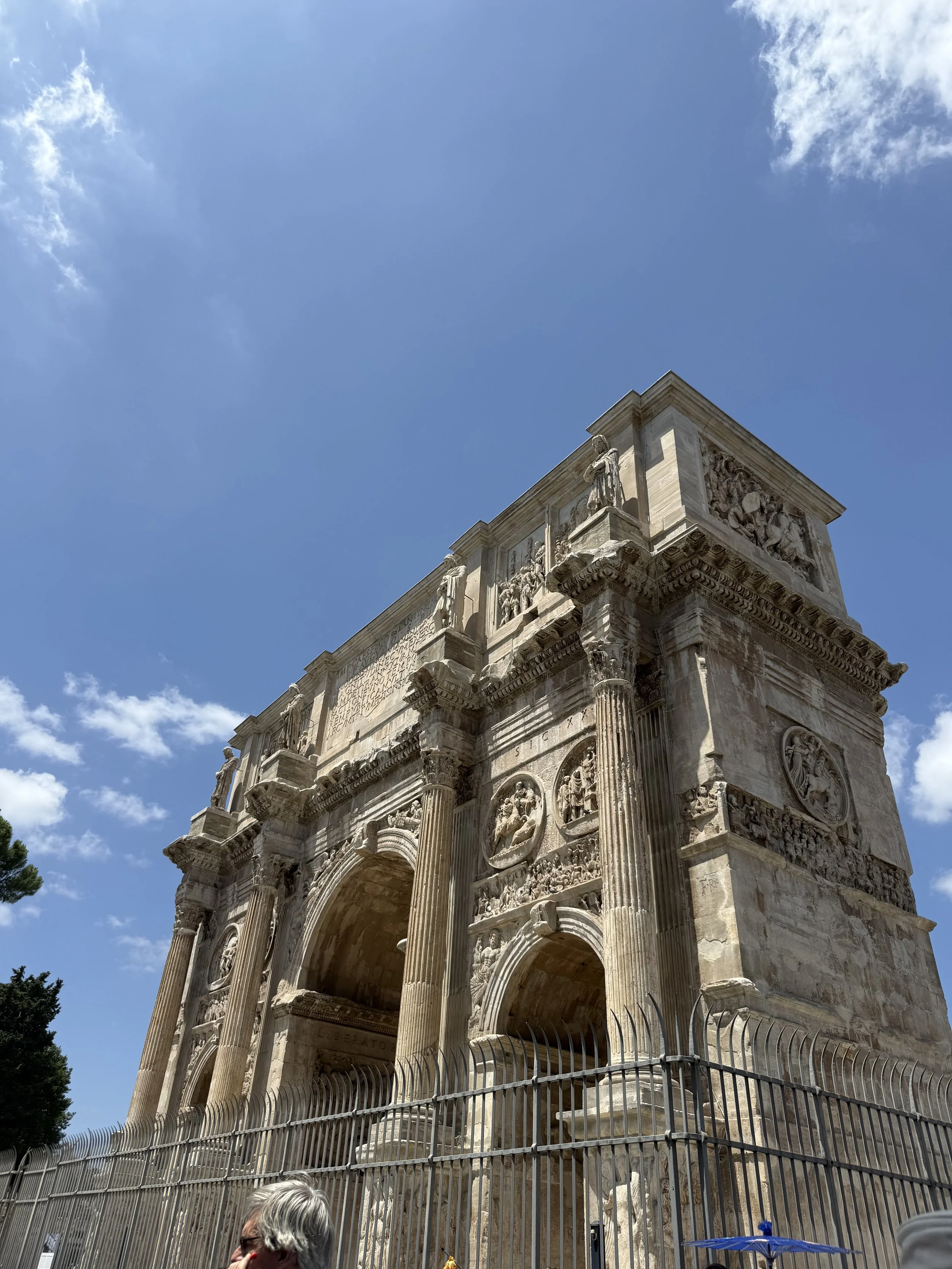
This one particularly hits home for me because I specifically remember learning about this arch in art history class. Standing beside the Colosseum, the Arch of Constantine is one of the largest and best-preserved triumphal arches in Rome. The Roman Senate dedicated the monument in AD 315 to celebrate Emperor Constantine’s victory over Maxentius at the Battle of the Milvian Bridge. This victory helped Constantine secure his position as ruler of the western Roman Empire. The arch is especially interesting because it combines sculptures and reliefs from different periods of Roman history. Several decorative elements were taken from earlier monuments honoring emperors such as Trajan, Hadrian, and Marcus Aurelius. These older artworks were incorporated alongside newer carvings illustrating Constantine’s military campaign, public speeches, and distribution of gifts to Roman citizens.
Trevi Fountain
Located in the heart of Rome, the Trevi Fountain is one of the city’s most famous and enchanting landmarks. Designed primarily by architect Nicola Salvi and completed in 1762, the fountain stands against the grand façade of the Palazzo Poli. Its dramatic sculptures, flowing water, and elaborate decoration make it an extraordinary example of Baroque art and architecture. At the center of the fountain is Oceanus, the powerful figure representing the force of water, standing on a shell-shaped chariot pulled by sea horses. One horse appears calm while the other is restless, symbolizing the changing moods of the sea. Surrounding figures represent abundance, health, and the importance of water to the city of Rome. According to tradition, visitors who toss a coin over their left shoulder with their right hand are promised a return to Rome. I have just recently heard that there is a line to wait on in order to get a picture in front of the fountain so go at your own risk.
Food

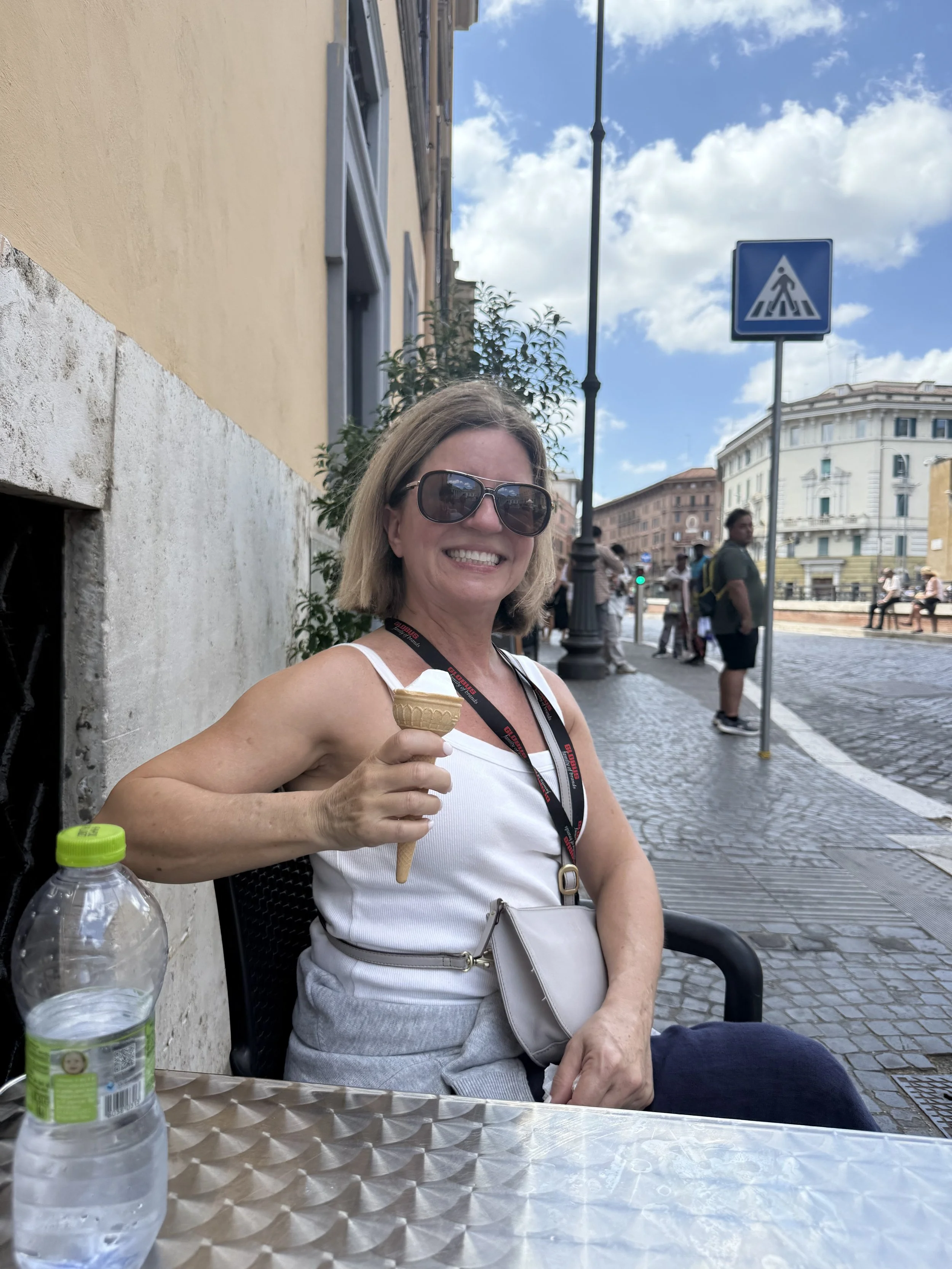
📍Campo Marzio