Paris, France

Overview
Paris is one of the world’s most iconic destinations, celebrated for its art, architecture, fashion, history, and romantic atmosphere. Divided into 20 neighborhoods called arrondissements, the city offers something different around every corner—from elegant boulevards and historic monuments to charming cafés and peaceful gardens. Paris is also known as a global capital of fashion and luxury. Visitors can browse designer boutiques along Avenue Montaigne and Rue Saint-Honoré or explore the city’s famous department stores. Neighborhoods such as Montmartre, Le Marais, and the Latin Quarter reveal Paris’s artistic character through cobblestone streets, historic buildings, markets, and lively cafés. I was in Paris for a day and a night so I definitely would like to go back and experience a lot more as this city is beautiful.
The Eiffel Tower is Paris’s most recognizable landmark and one of the most famous monuments in the world. Built for the 1889 World’s Fair, the tower was designed by engineer Gustave Eiffel and originally intended to remain standing for only 20 years. Although some artists and writers initially criticized its unusual iron structure, it eventually became a beloved symbol of Paris and French innovation. Standing approximately 1,083 feet tall, the Eiffel Tower has three public levels offering incredible views across the city. Visitors can take an elevator or climb the stairs to the first and second floors, where they will find viewing platforms, exhibits, shops, and restaurants. The summit provides a panoramic view of Paris, including famous landmarks such as the Seine, the Arc de Triomphe, and the Sacré-Cœur Basilica. At night, the Eiffel Tower is illuminated with golden lights and sparkles for several minutes at scheduled times, creating one of the most magical sights in Paris. Unfortunately, I was not able to go up close to the Eiffel Tower, but next time I definitely want to and also do the night-time boat tour.
The Eiffel Tower
The Louvre
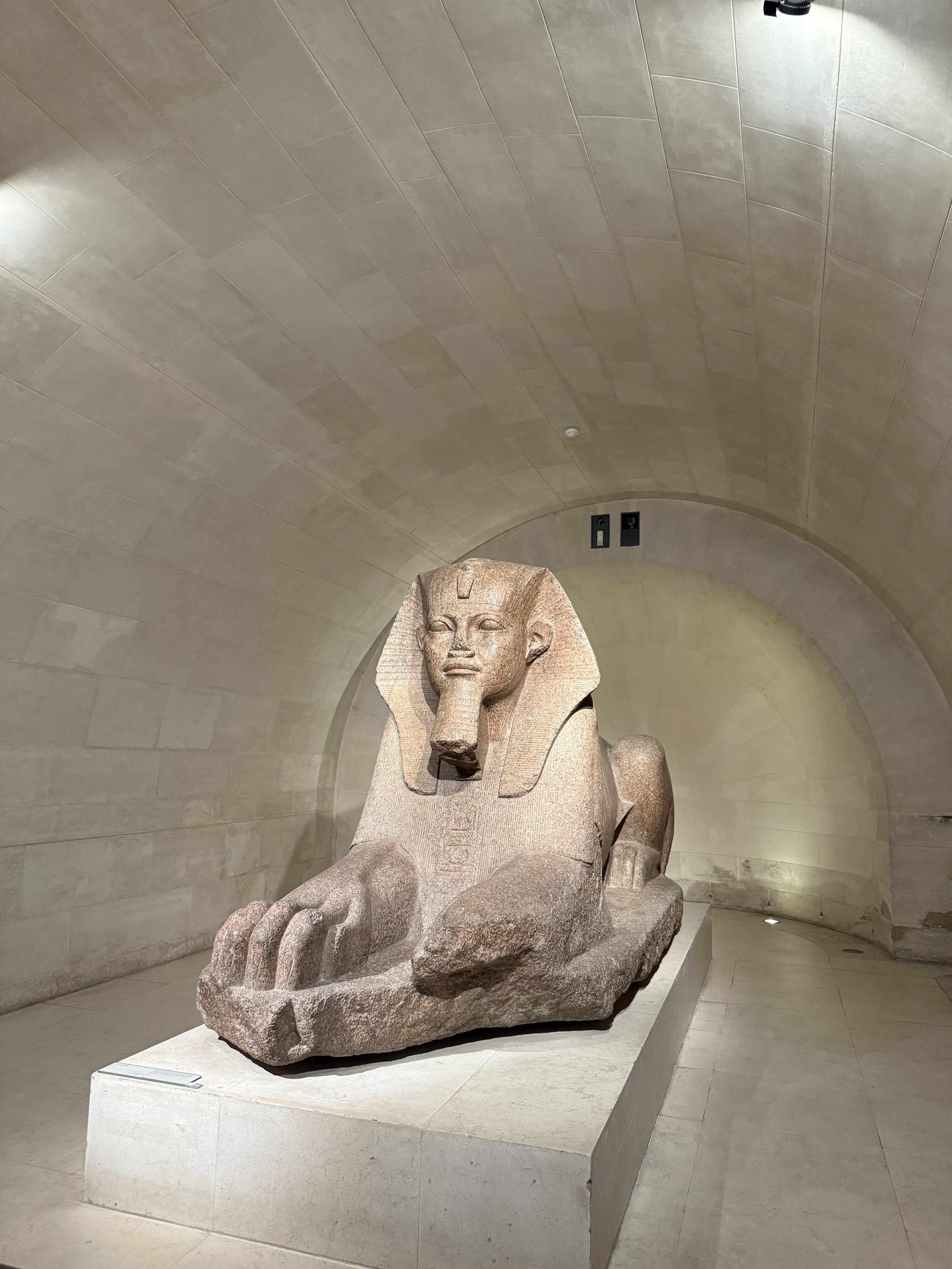
The Louvre Museum is one of the largest and most famous art museums in the world. Located beside the Seine River in central Paris, the building was originally constructed as a medieval fortress before becoming a royal palace and, eventually, a public museum in 1793. Its iconic glass pyramid, designed by architect I. M. Pei, creates a striking contrast with the historic palace surrounding it. The museum contains an extraordinary collection spanning thousands of years and numerous civilizations. Its most celebrated artworks include Leonardo da Vinci’s Mona Lisa, the ancient Greek sculptures Venus de Milo and Winged Victory of Samothrace, and Eugène Delacroix’s Liberty Leading the People. Visitors can also explore collections devoted to Egyptian antiquities, decorative arts, Islamic art, and European painting. With hundreds of galleries and countless masterpieces, it is nearly impossible to experience the entire Louvre in one visit. Selecting a few priority exhibits makes the museum easier to explore and leaves time to appreciate its magnificent architecture. The Louvre offers an unforgettable journey through art and history, making it an essential destination for any visit to Paris.
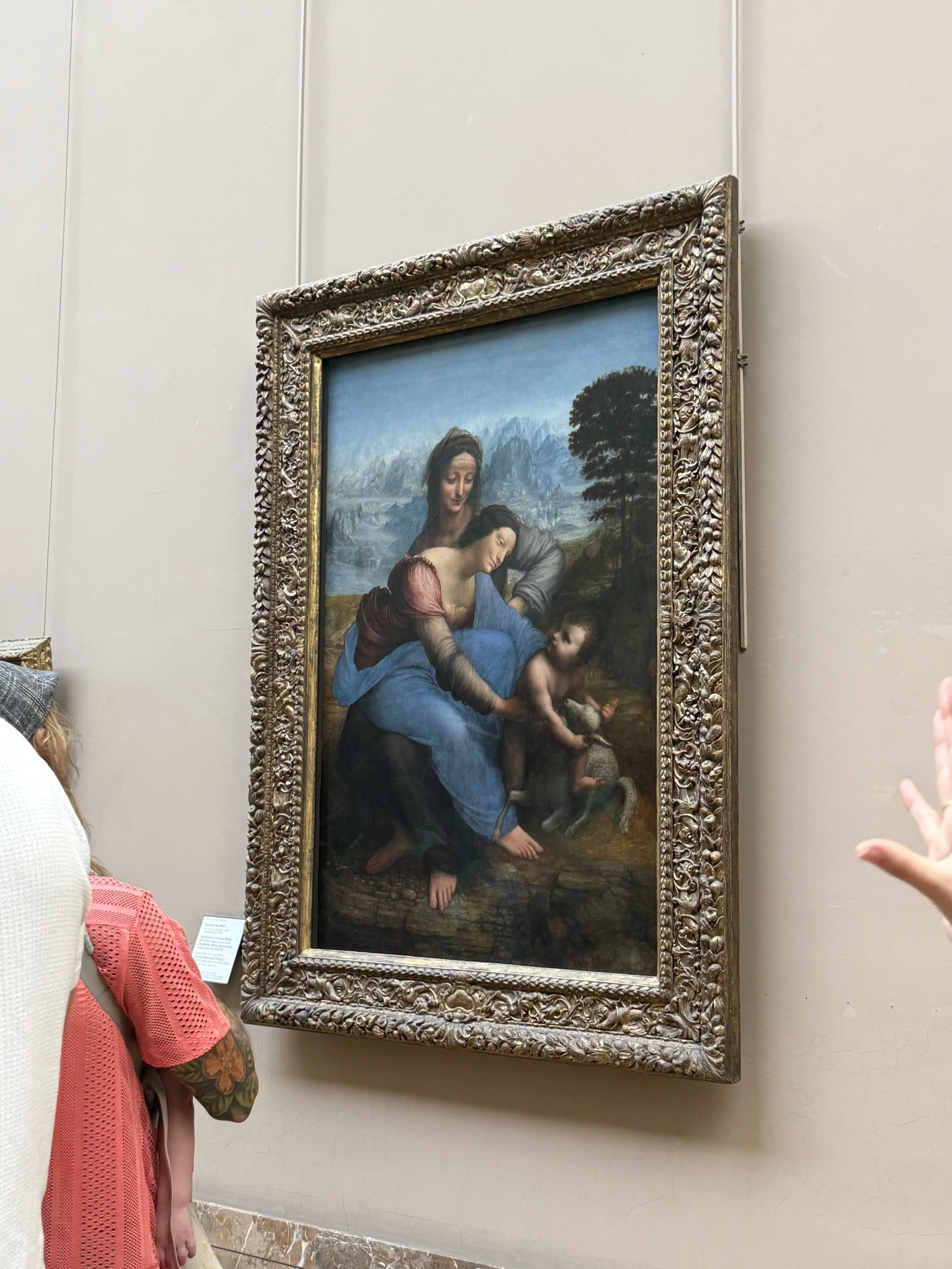
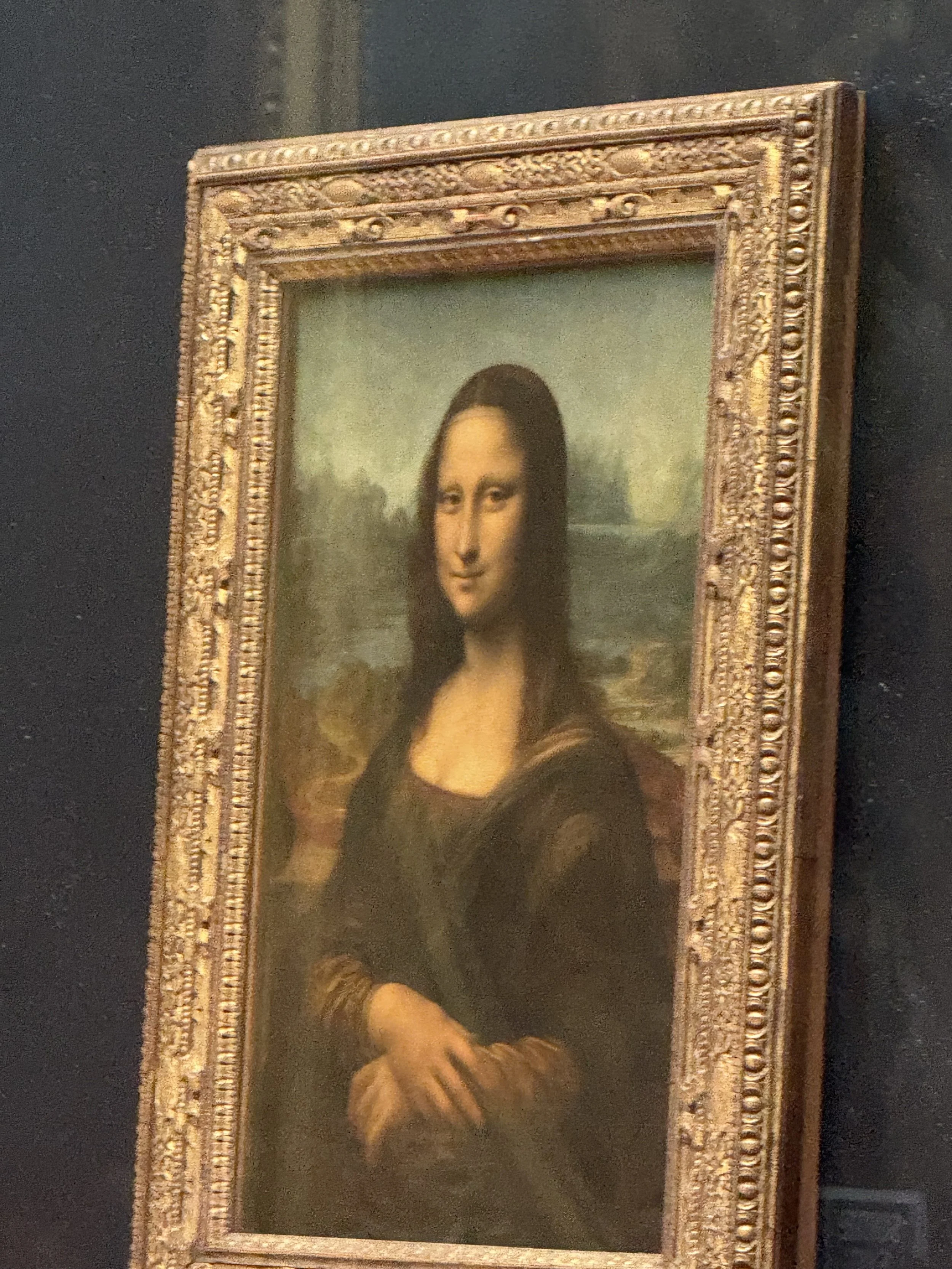
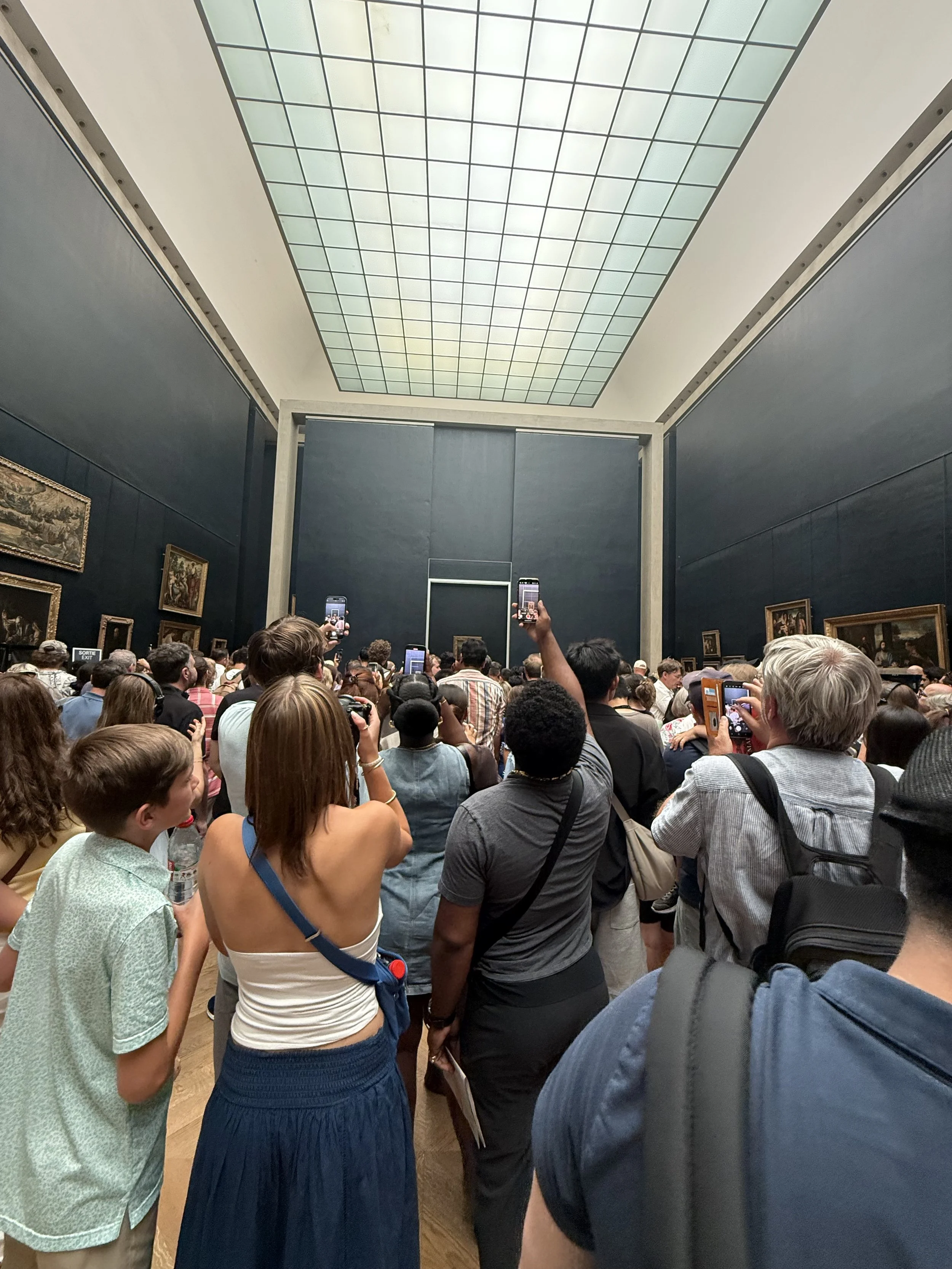
Yes, this is the insane circumstances just to see the Mona Lisa, and yes she is overhyped and much smaller in real life.
Palace of Versailles
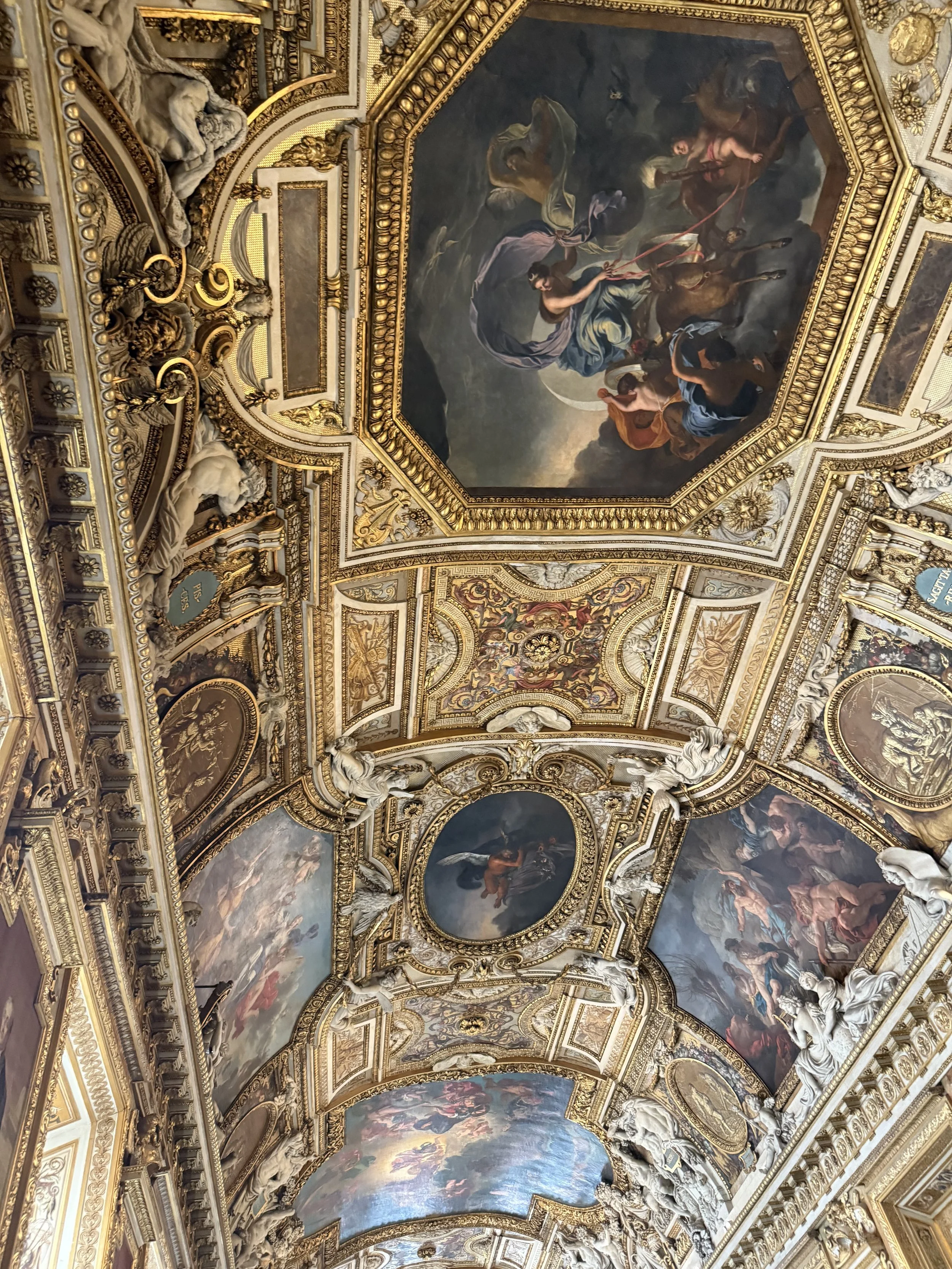
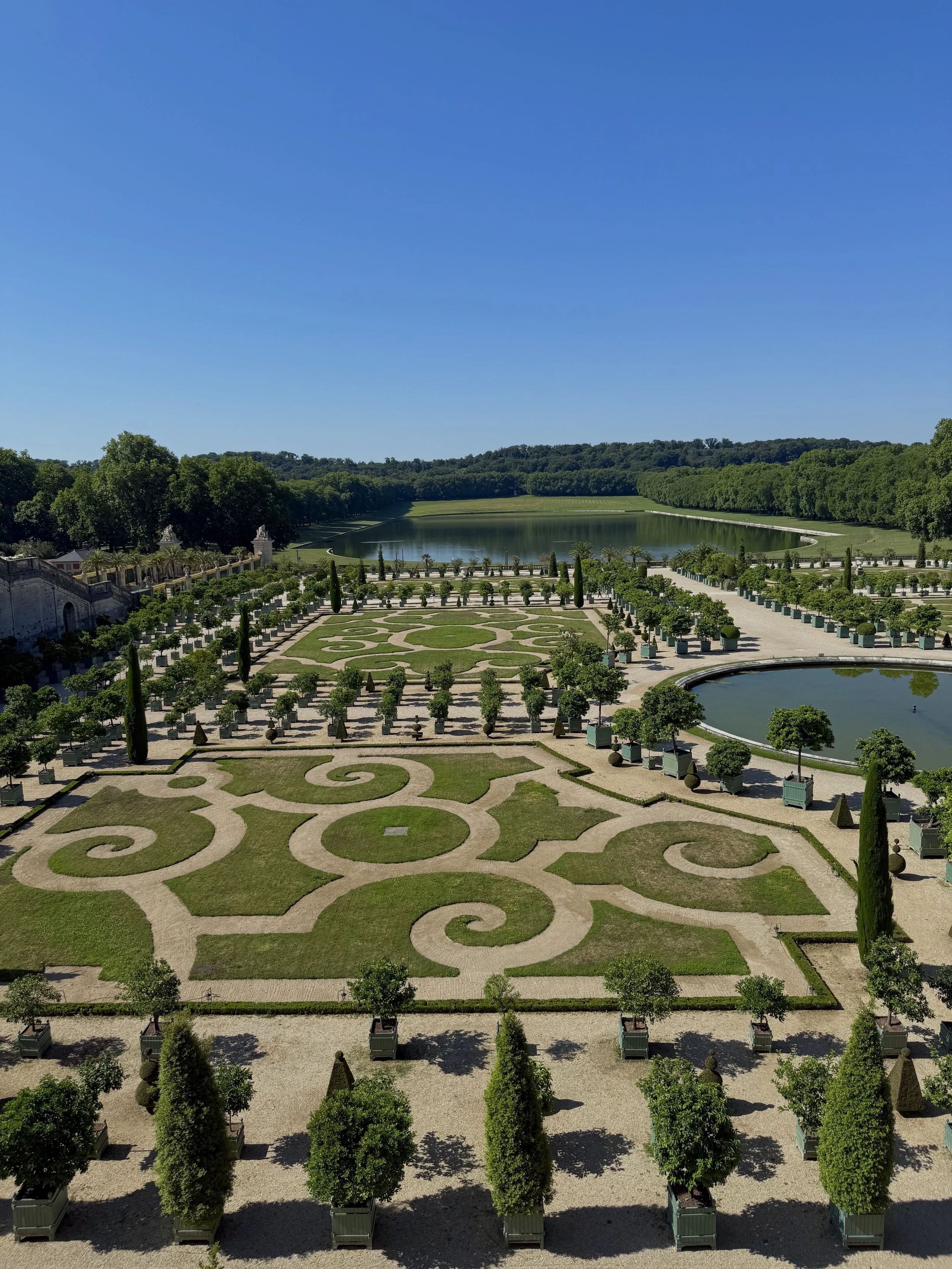
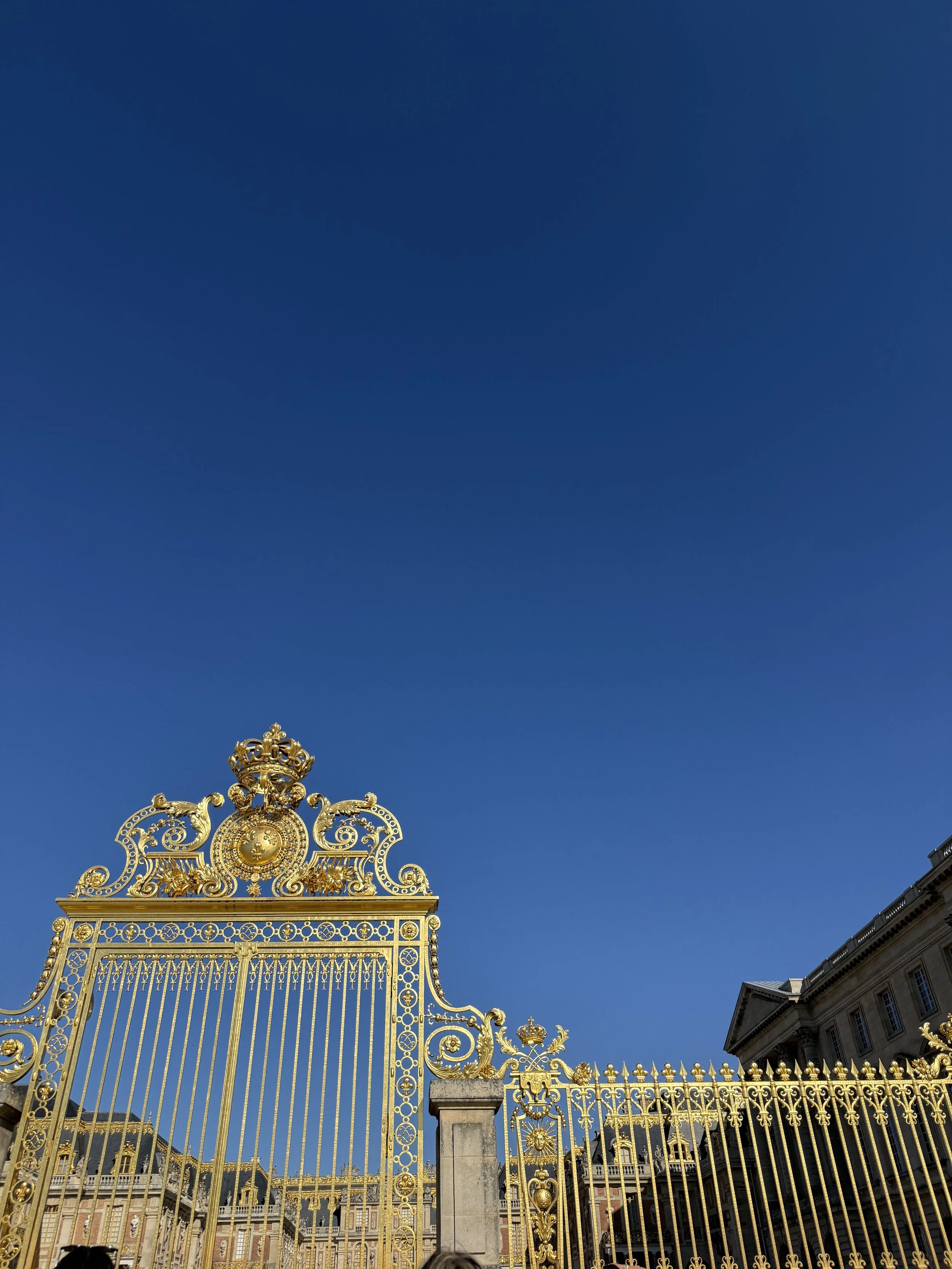
The Palace of Versailles is one of France’s most magnificent landmarks and a powerful symbol of the country’s royal history. Located just outside Paris, the estate began as a hunting lodge before King Louis XIV transformed it into an extravagant royal palace during the 17th century. It later became the center of the French monarchy and government until the French Revolution in 1789. Inside the palace, visitors can explore elaborately decorated royal apartments, grand reception rooms, and the famous Hall of Mirrors. This breathtaking gallery features crystal chandeliers, gilded details, painted ceilings, and tall mirrors reflecting views of the gardens. The palace also contains an impressive collection of paintings, sculptures, furniture, and decorative art. The estate extends far beyond the main palace. Its enormous formal gardens feature fountains, sculptures, symmetrical pathways, and carefully maintained flowerbeds. Visitors can also explore the Grand Trianon, the Petit Trianon, and Marie Antoinette’s private estate, where members of the royal family escaped the formal routines of palace life.
The Arc de Triomphe
The Arc de Triomphe is one of Paris’s most recognizable monuments. Located at the center of Place Charles de Gaulle, it stands at the western end of the Champs-Élysées and is surrounded by one of the city’s busiest roundabouts. Napoleon commissioned the monument in 1806 to honor the French military and those who fought during the French Revolutionary and Napoleonic Wars. The arch is decorated with detailed sculptures depicting important moments in French history. The names of French generals and military victories are engraved across its surfaces. Beneath the monument lies the Tomb of the Unknown Soldier, which honors French soldiers who died during World War I. Its eternal flame is rekindled during a ceremony every evening. Visitors can climb to the observation terrace for panoramic views of Paris. From the top, the city’s grand avenues appear to extend outward in a star-shaped pattern, with views of landmarks such as the Eiffel Tower, the Champs-Élysées, and La Défense.