Prague Study Abroad
Anglo-American University - 3 weeks - Art in Prague
Overview
My main motive for studying abroad was to push myself outside of my comfort zone go somewhere across the world by myself in order to establish my independence. I signed up for the program about 8 months in advance and had the mindset of just signing up and when the time comes forcing myself to go. Because I had paid, reserved my spot, and got my housing confirmed, I was ultimately forced to go even if I decided I didn’t want to the day before (which I surely had a lot of doubt). This is my first time ever doing anything like this without friends, family, or just a comfort space. Ultimately, I had the best time I’ve ever had in my life, met so many cool people, learned amazing things, got ideas about new perspective, adapted to new environments, and most importantly, did it alone. If I had to recommend one thing to do for any college student, it would be to study abroad, even if its just for a few weeks like I did!
Anglo-American University
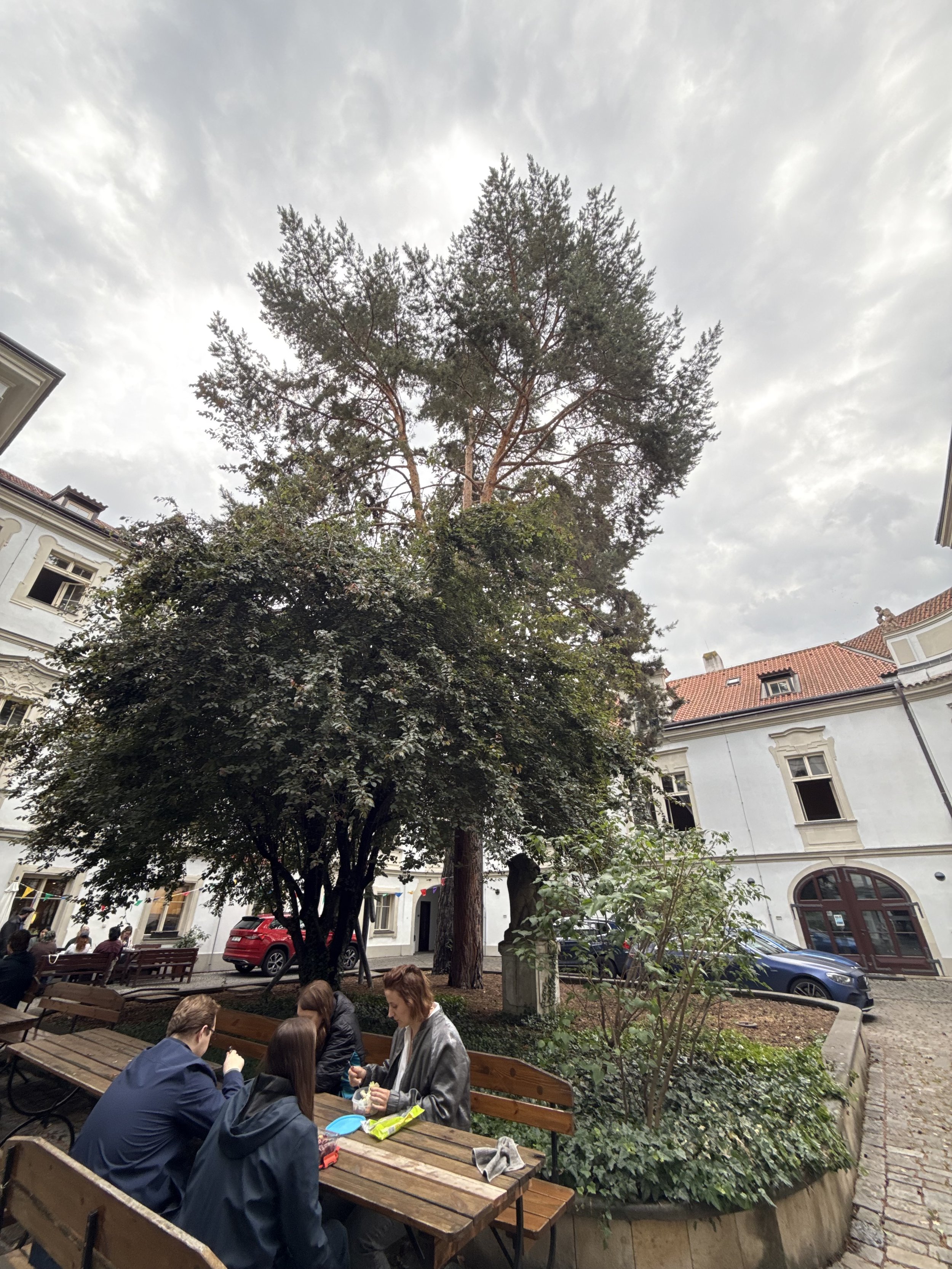
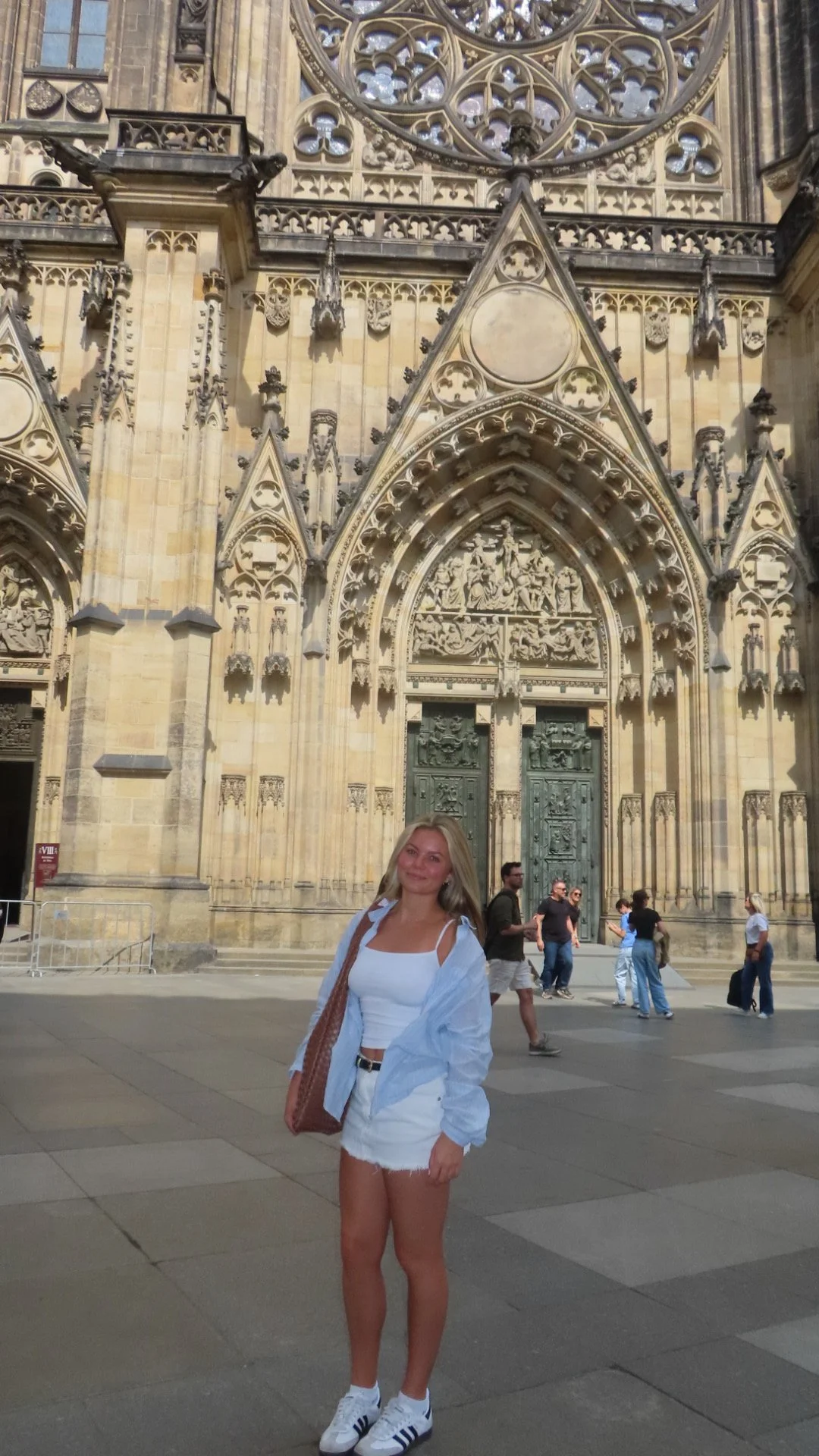
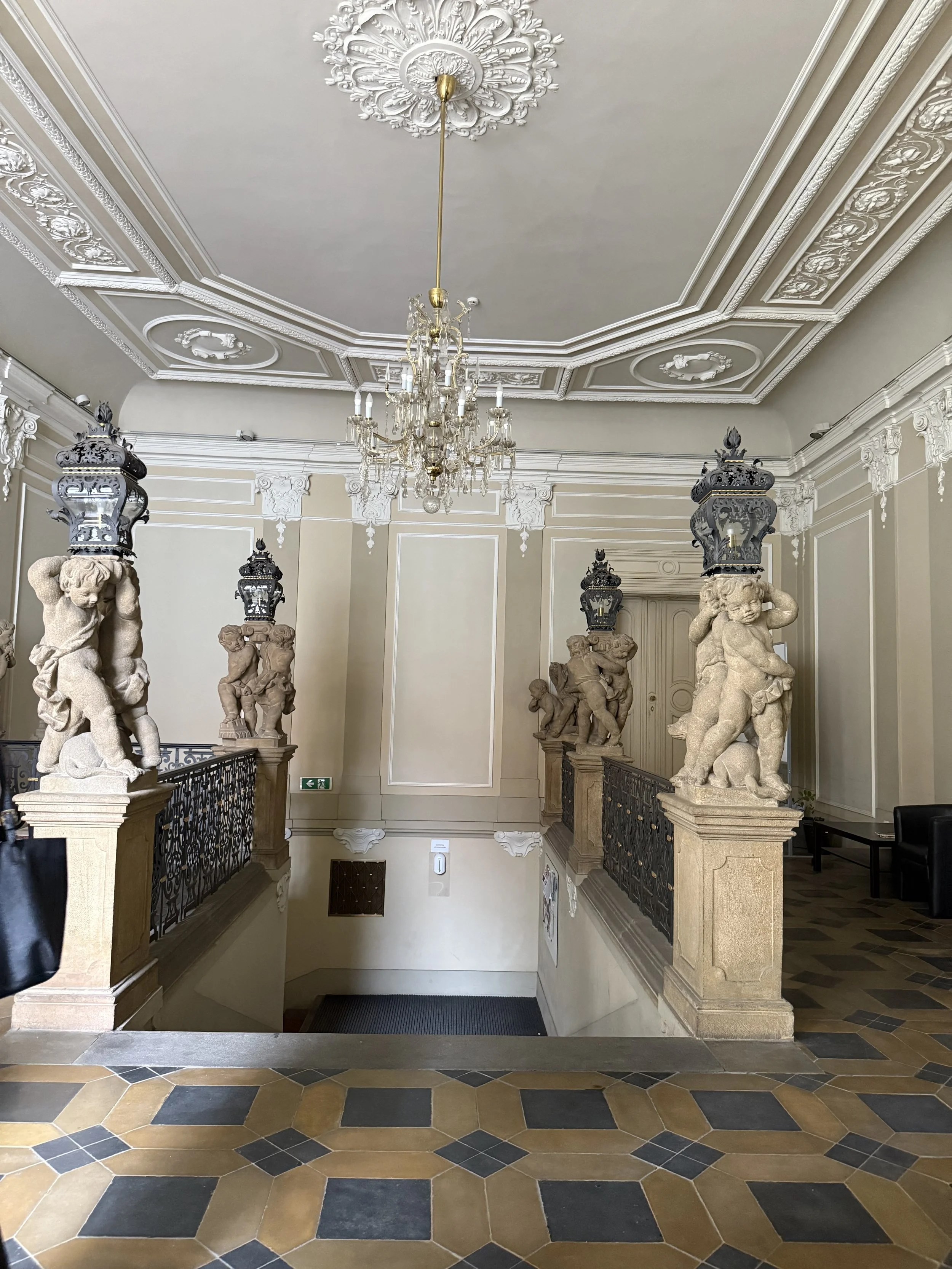
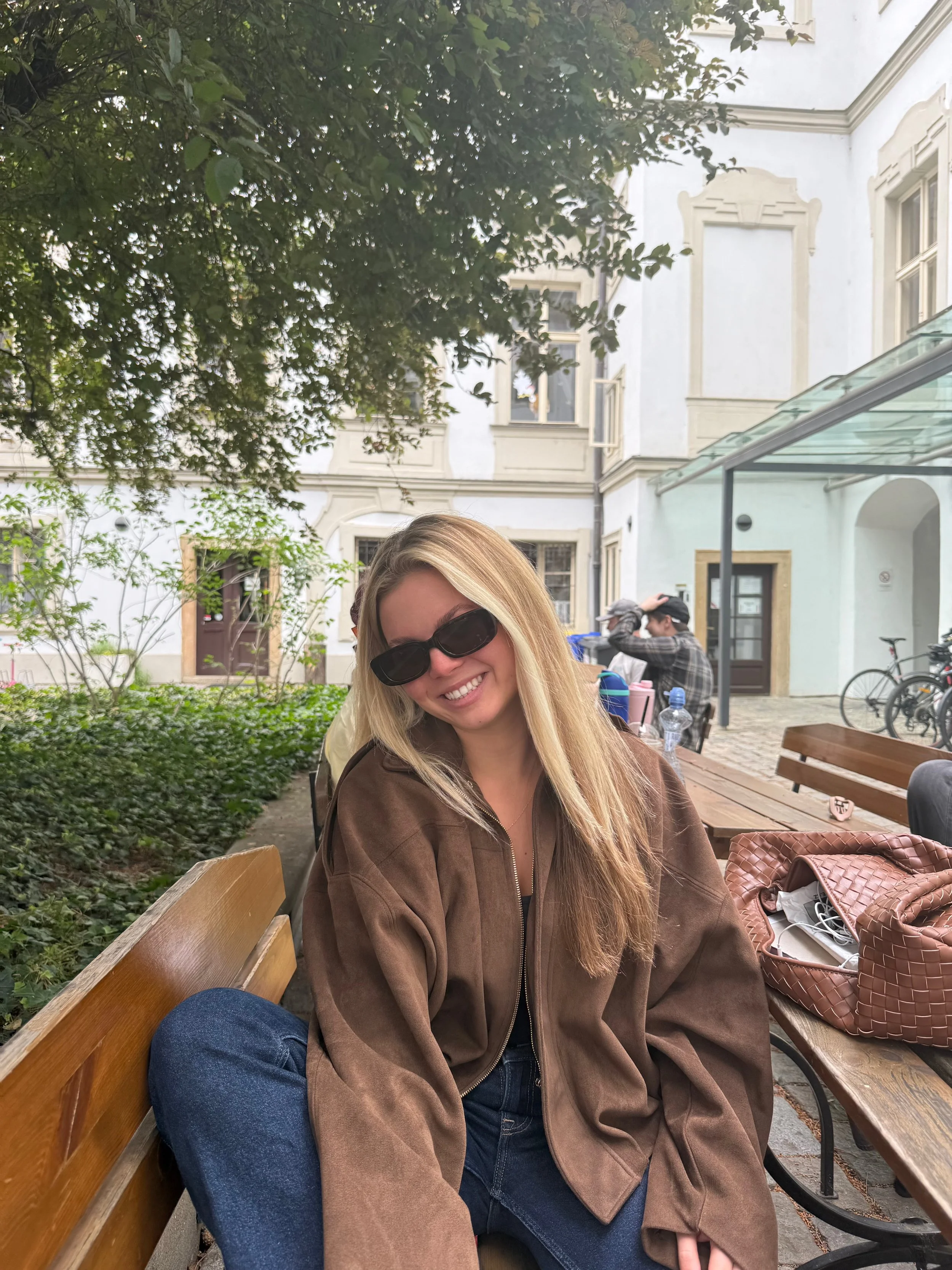
I am extremely happy that I was able to have the opportunity to study at Anglo- American University. I know a lot of people also study at Charles University, but I believe that it is a way bigger school. AAU is very small and inclusive and class sizes are relatively small. The coolest thing I found about AAU was that the campus used to be an old palace and was the first private school is Czechia to teach English. The student body was very international so I was able to meet people from all over the world. I ended up taking a 3-week course called Art in Practice. In the classes we toured museums, churches, monasteries and more. We were able to actually go into the exhibitions and practice our sketching on site. My instructors were incredible and gave so much insight on the history of art in Prague. We were also grateful to get free lunch everyday and sit in the AAU cafe and do work.
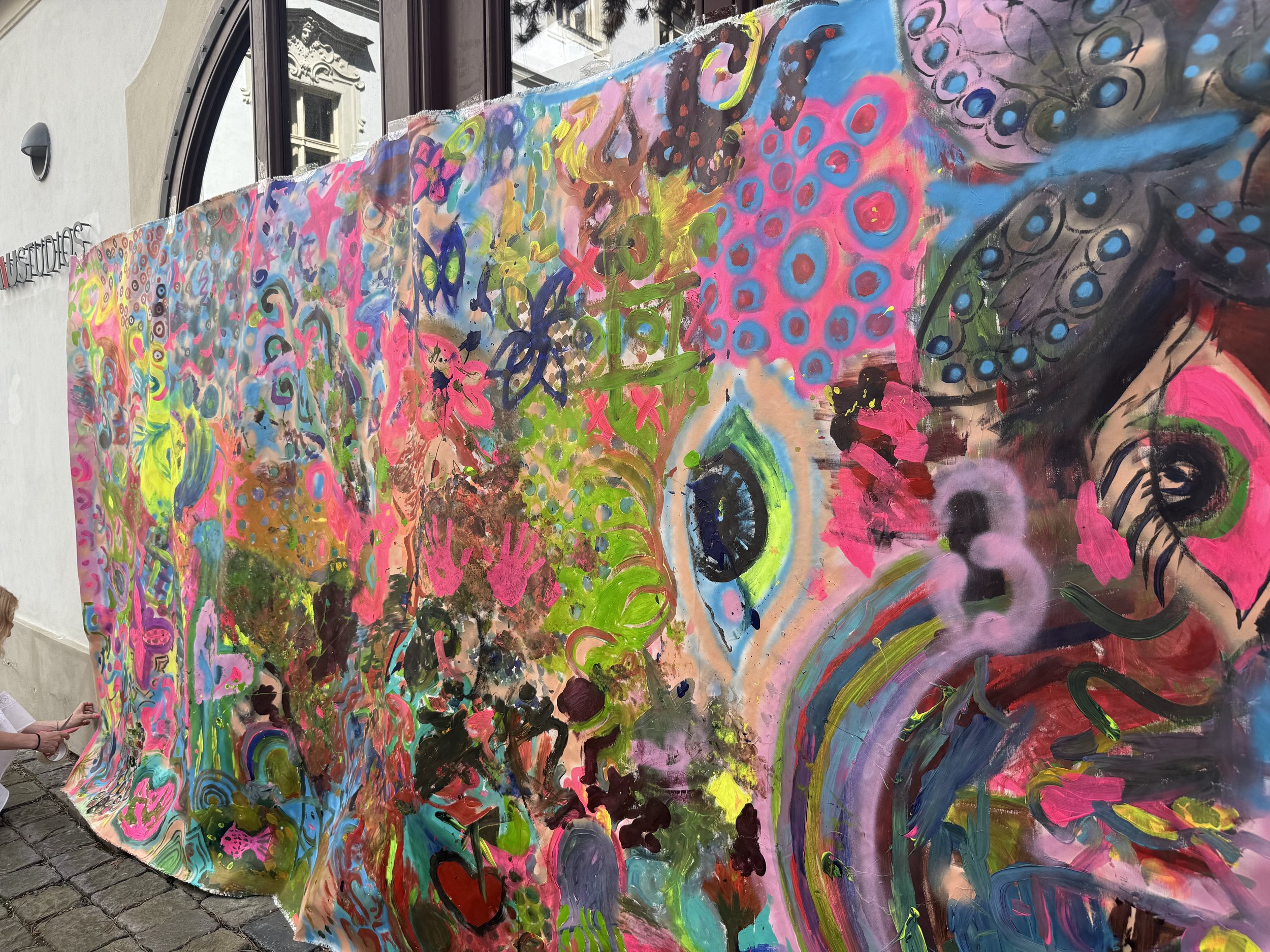
Art in Practice…
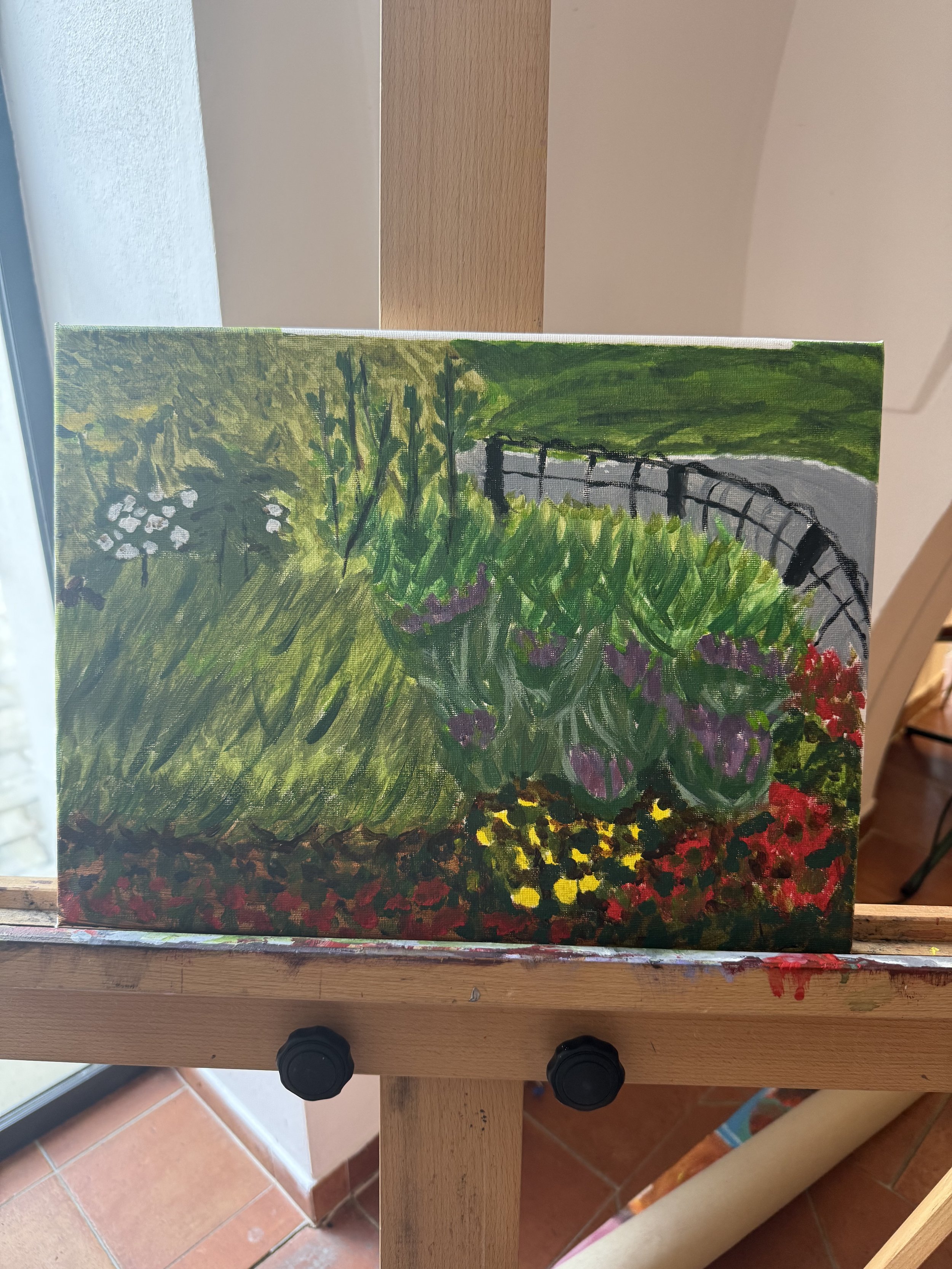
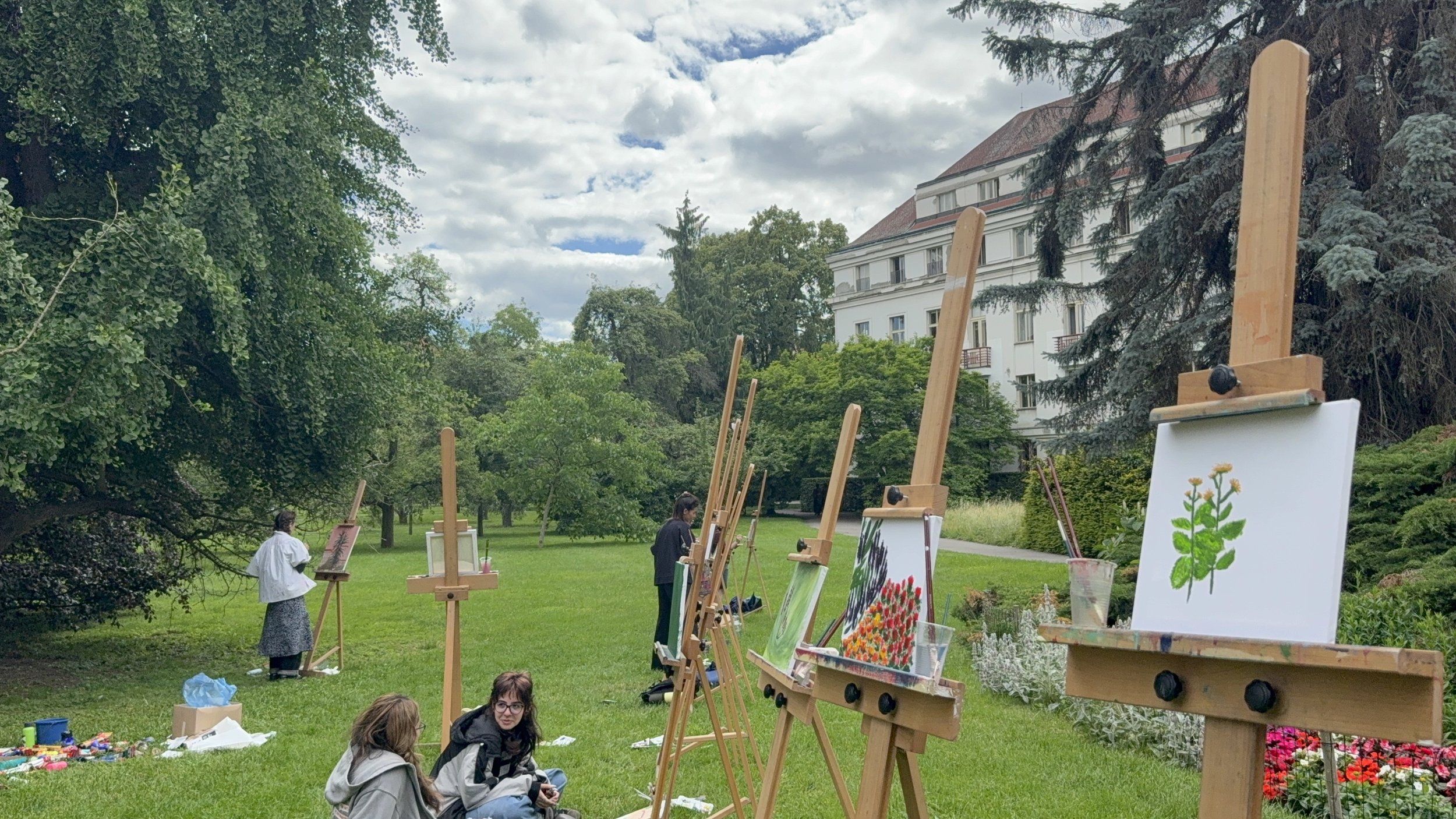
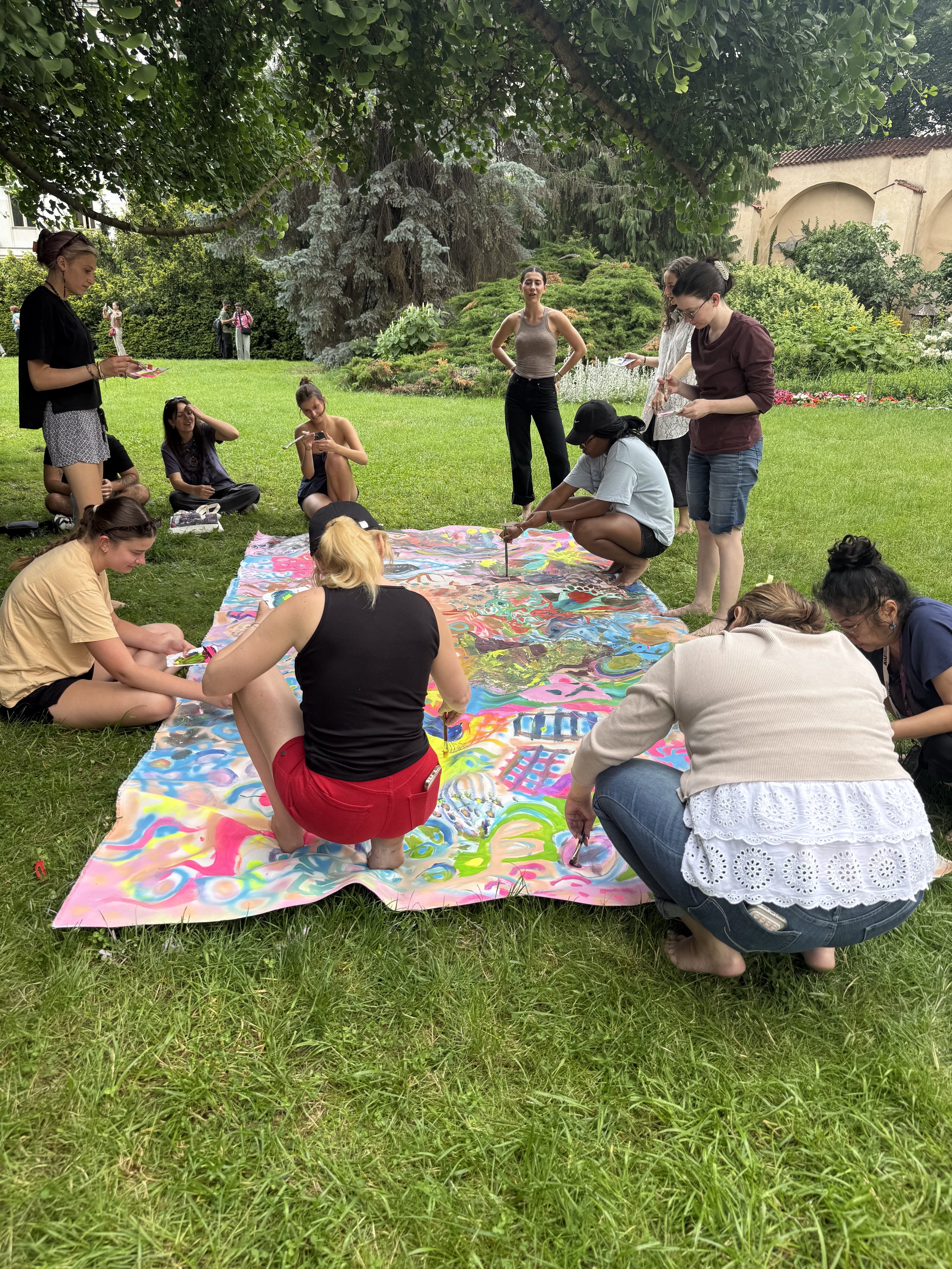
Architecture:
Prague Castle
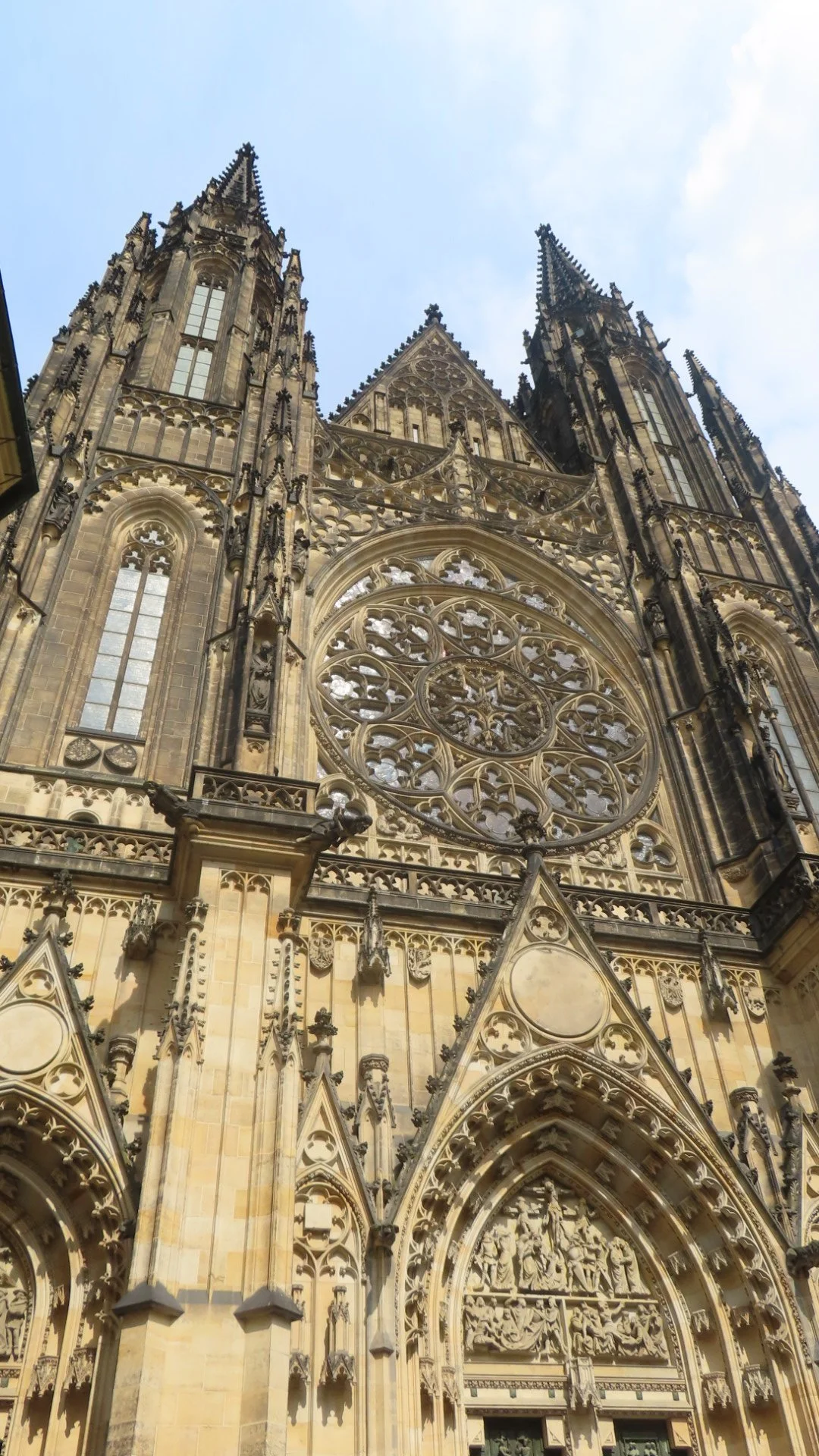
Prague Castle, one of Pragues most significant landmarks. It is surprisingly one of the largest ancient castle complexes in the world as it was founded in 880 AD. The castle originally served as the seat of Bohemian kings, Holy Roman emperors, and now currently the President of Czechia. The castle is over 70,000 square meters and consists of Romanesque, Gothic, Renaissance, and Baroque. Because of the breathtaking architecture, it is one of the most visited sites today and is a UNESCO World Heritage Site. I personally thought this church was breathtaking and the intricate detail is something Ive never seen before. The entirety of the Prague Castle has several major attractions that we also got to explore including St. Vitus Cathedral, Old Royal Palace, St. George Basilica, and Golden Lane.
Astronomical Clock
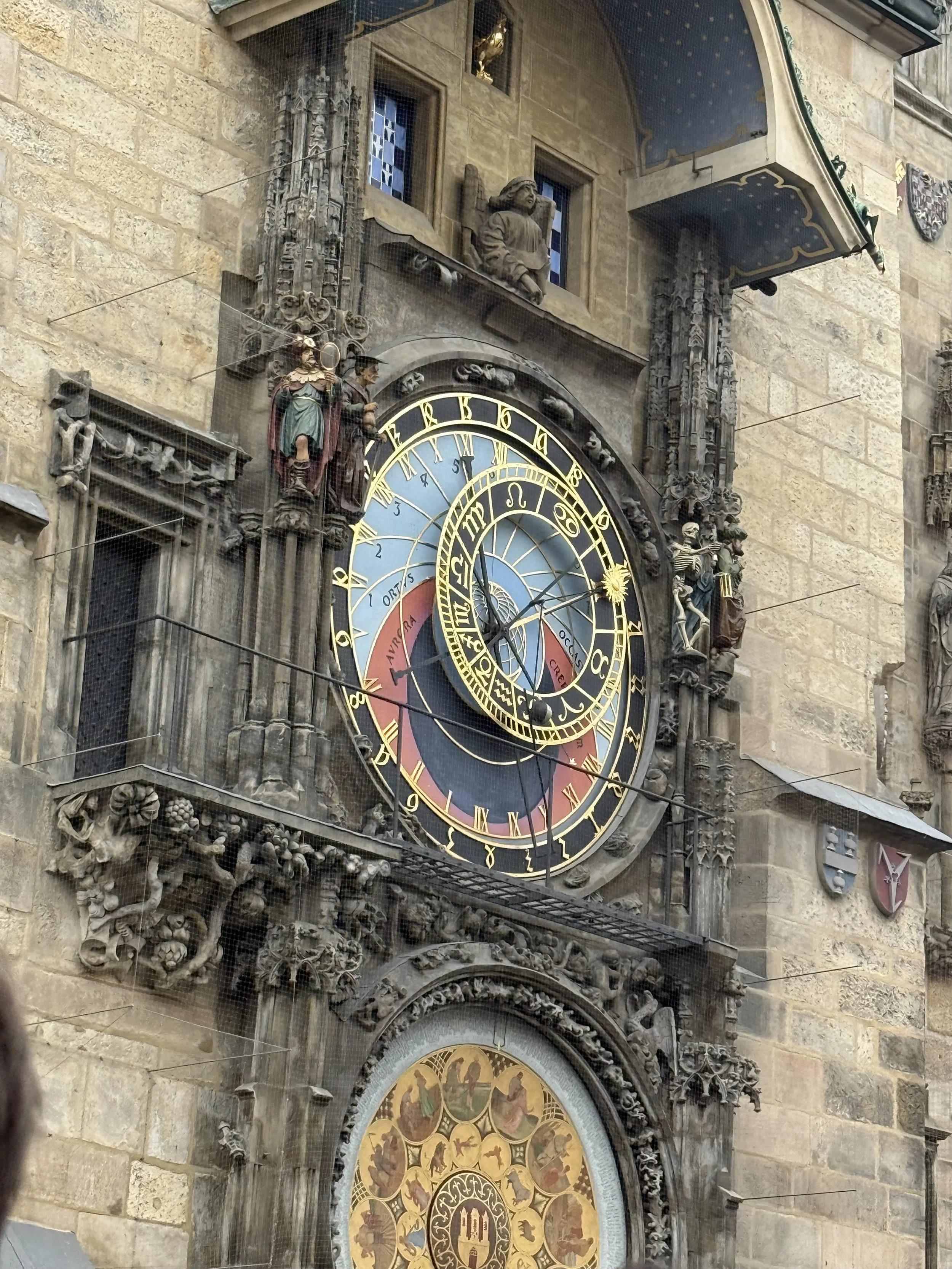
The Prague astronomical clock is often referred to as Orloj is one of the oldest working astronomical clocks in the world as its still working from 1410. Its an extraordinary clock but very over hyped in my opinion. Every hour the clock goes off and honestly doesn’t do anything exciting. Most people leave and say “thats it?” like myself. Its ironic because big crowds stand their all day waiting for the clock to go off and most people I think end up disappointed. But if you know the history of the clock, I think it can be really cool and fascinating to know that the clock is still going strong til this day. This clock is made of components: the astronomical dial which displays Sun and Moon, the calendar dial which represents the months of the year, and the hourly procession of Twelve Apostles. I think the design of the clock reflects the scientific knowledge of the medieval period and innovation of architecture during that time.
Franz Kafka Rotating Head
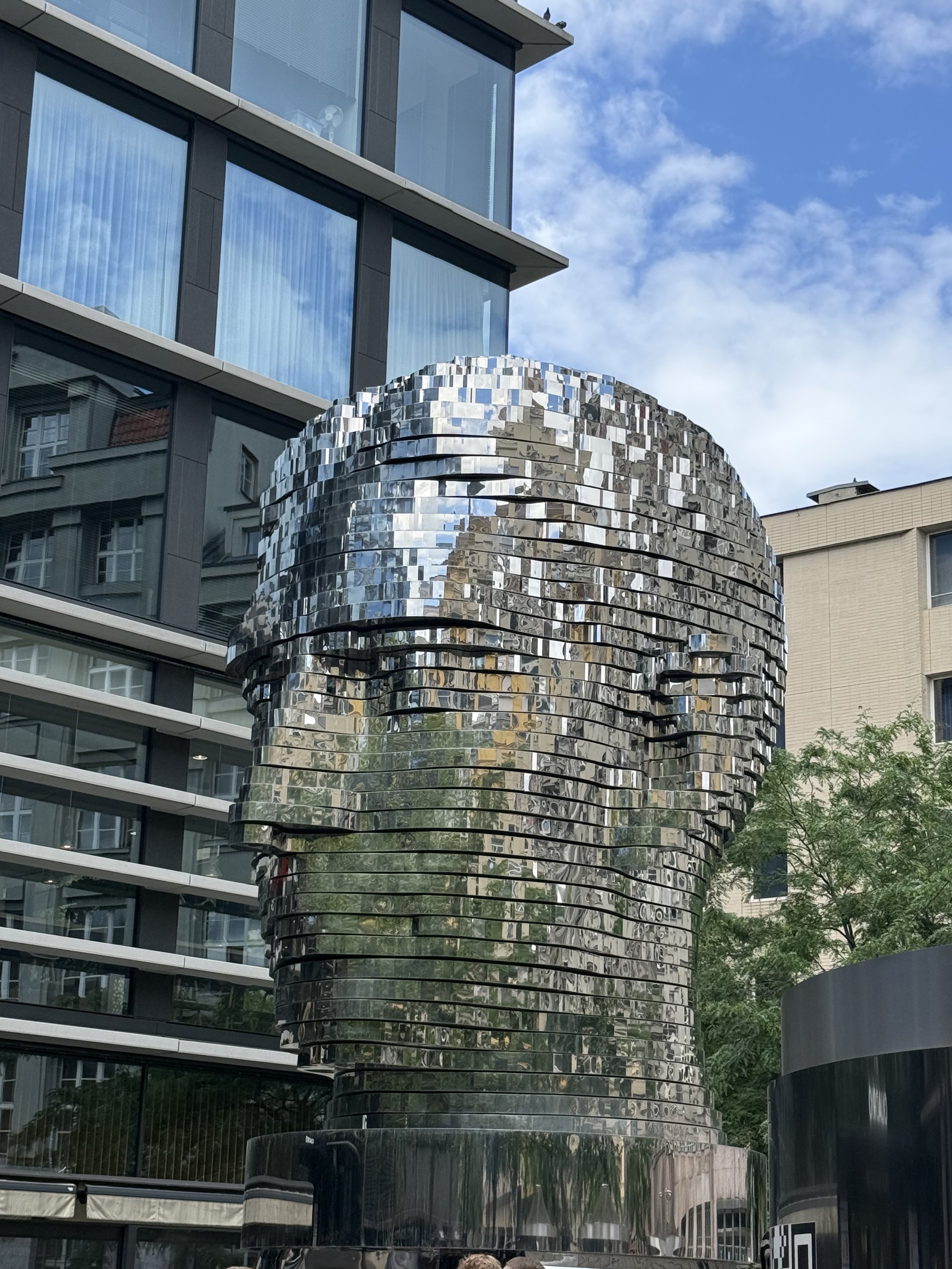
The head of Franz Kafka blends art, engineering, and technology into this sculpture. This sculpture was created by David Cerny and the sculpture is about 36 feet tall just outside the Quadrio shopping center in central Prague. This sculpture is composed of 42 rotating stainless-steel layers and shifts to transform into the face of Franz Kafka. The design of this sculpture reflects the complex literary themes of identity, transformation, and modern life. Watching the sculptures change shape to form Kafkas head is a revolutionary approach to modern art and artistic expression. I like that this sculpture contrasts from a lot of Pragues century-old art and establishes a creative contemporary feel to the city.
Charles Bridge
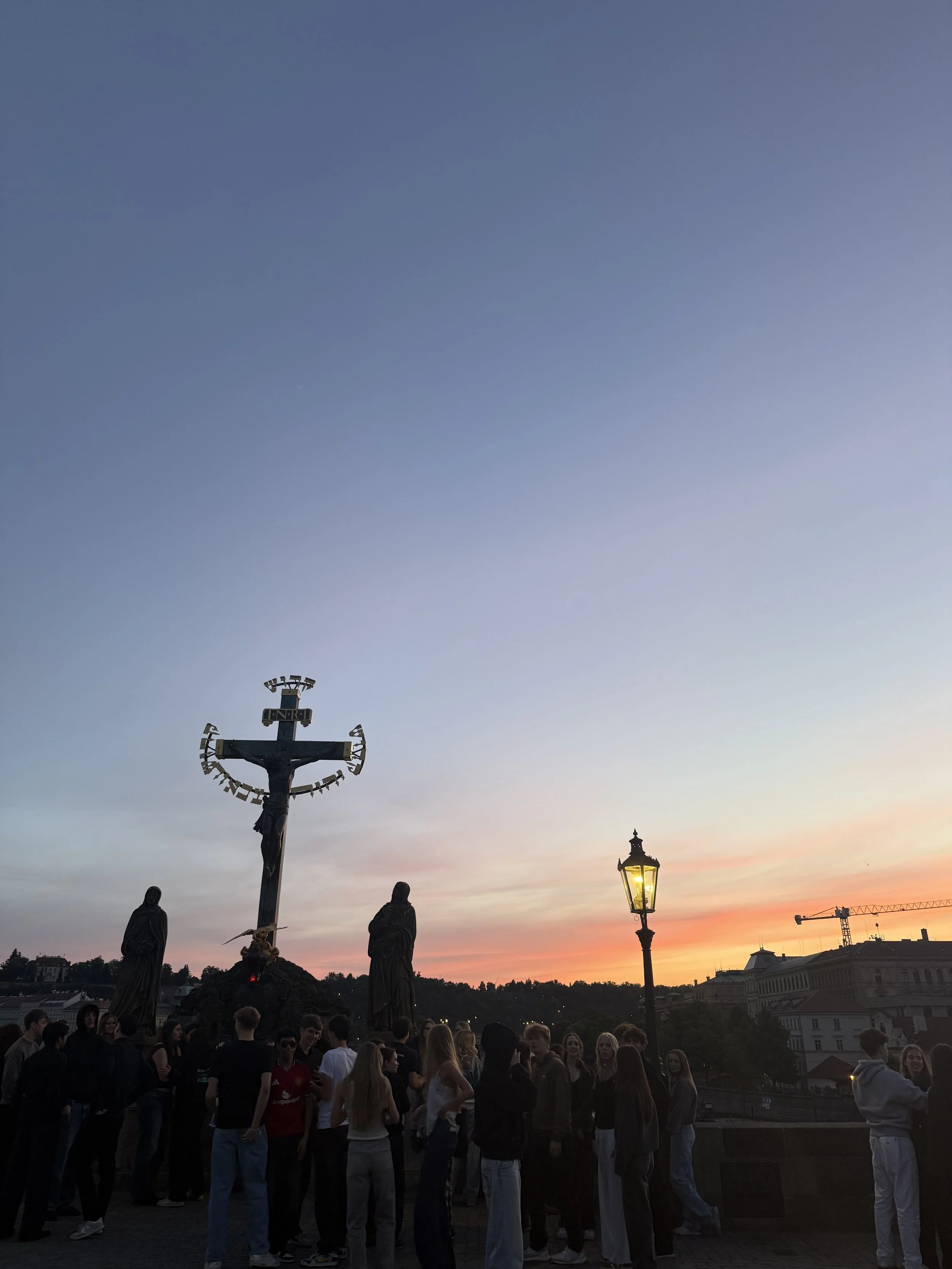
You absolutely wont miss this massive 1,693 foot bridge which extends across the Vltava River. The bridge connects Pragues Old Town with Lesser Town and became a vital trade route and ceremonial path for Bohemian Kings. This bridge was constructed by Charles IV in 1357 to replace the earlier Judith Bridge which was ultimately destroyed by flooding. This style of bridge represents a Gothic style lined with 30 baroque statues and most were added in the 17th and 18th century. During the day, the bridge is pretty much always crowded with musicians, artists, vendors, and many tourists. I would recommend going early in the morning to avoid large crowds. If you’re lucky, around the Vltava River where the bridge encompasses, you may be able to see river rats too!
Klementium
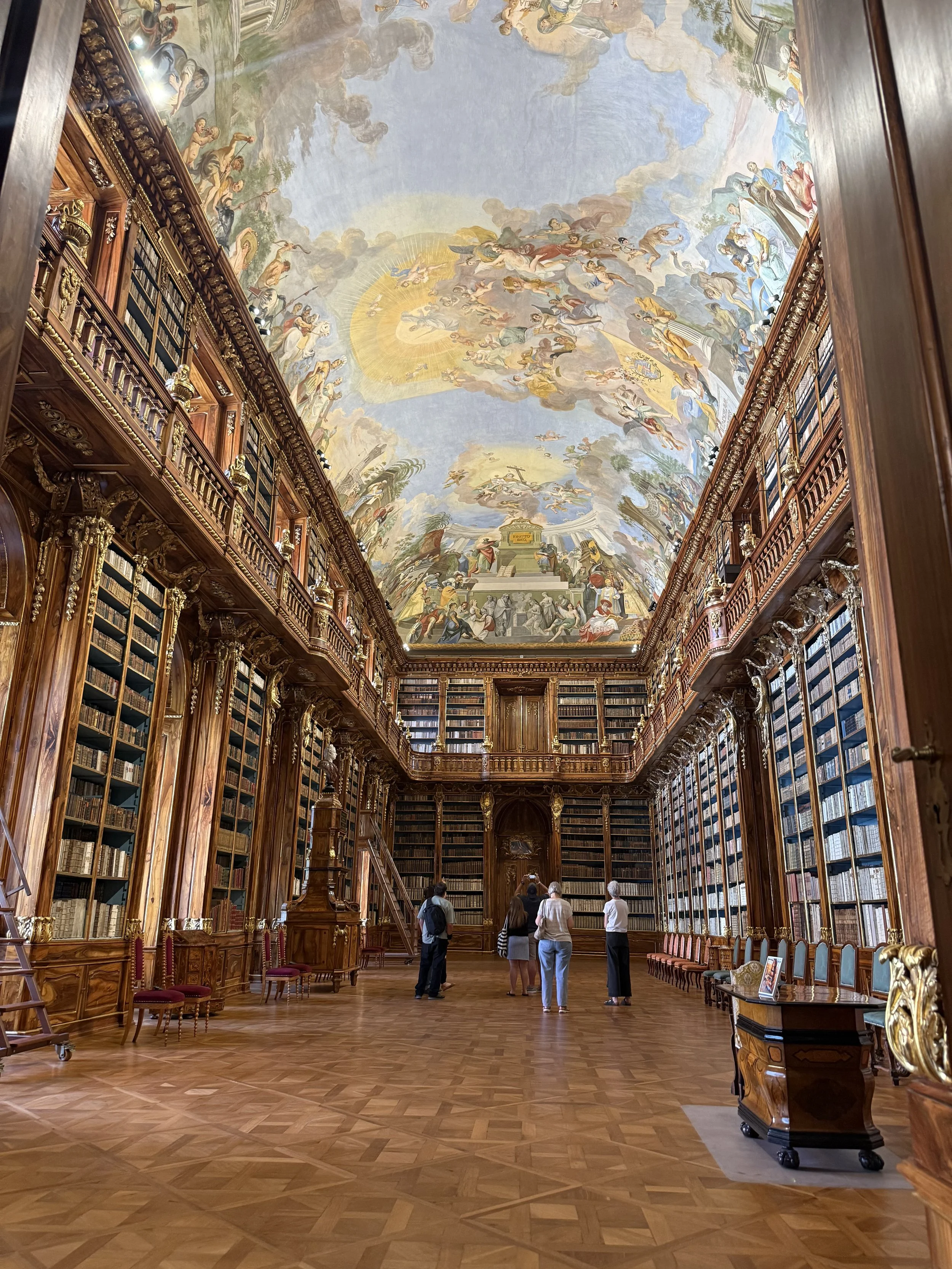
This library was originally founded as a Jesuit College in 1556 and has played a huge educational and scientific studies for centuries. The complex is mostly known for the Baroque Library Hall which was built in the 18th century. As shown, there are amazing frescoes and thousands of rare books which strikes my interest. Visitors can also explore the Astronomical Tower, which gives great views of Prague and reflects the astronomical observation and scientific research.
St. Nicholas Church
The St.Nicholas Church is an example of high Baroque architecture in Prague. It was constructed in the early and mid-18th century by father and son architectures Christoph and Killian Ignaz Dientzenhofer. What stuck out to me was the breathtaking dome and frescos. The interior has natural light and exemplifies the baroque. Today St. Nicholas church is an active place of worship and I believe it is an essential stop for tourists. Walking into the church was one of the highlights of my trip and it was an outstanding example of Baroque architecture.
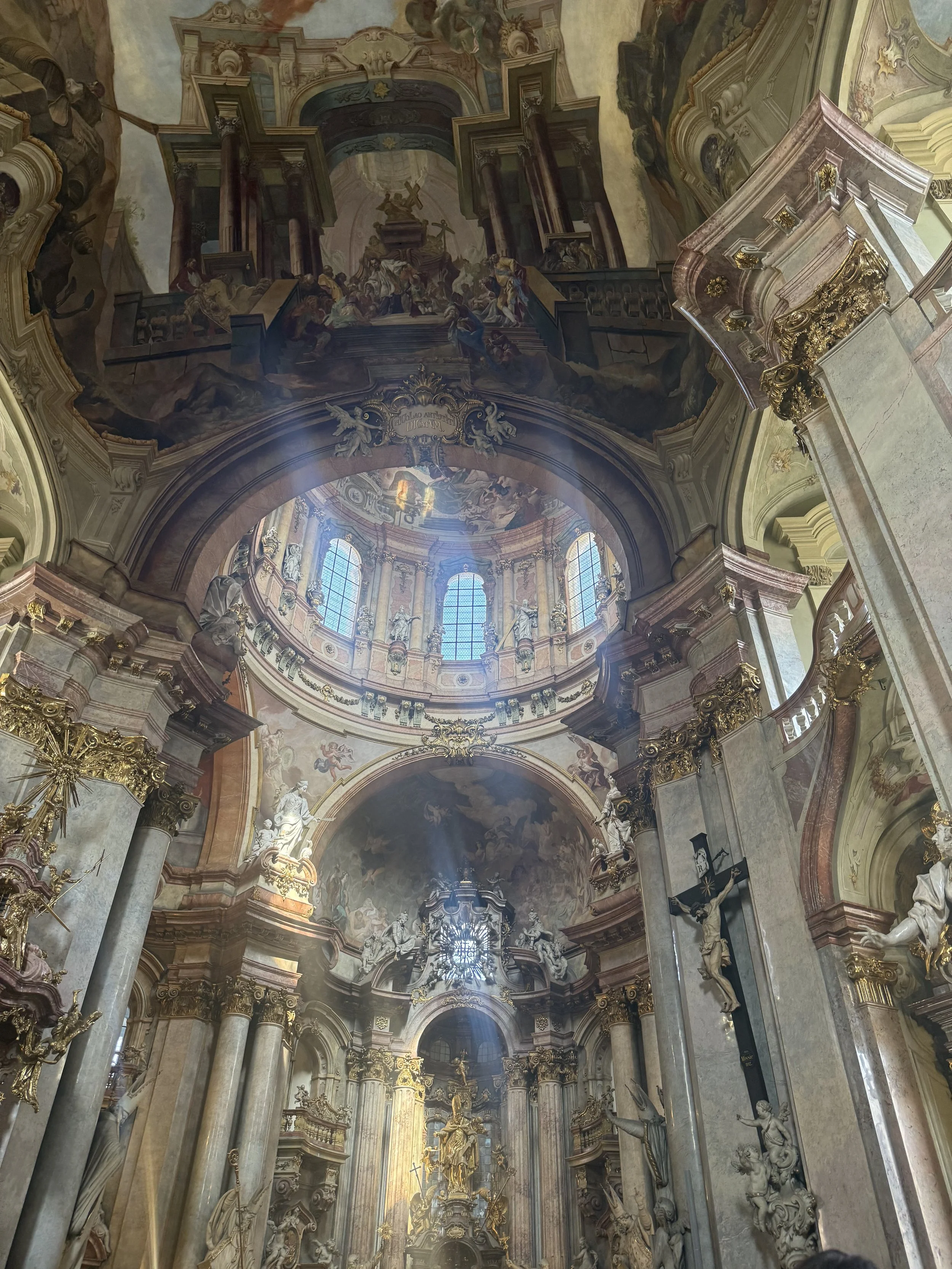
Týn Church
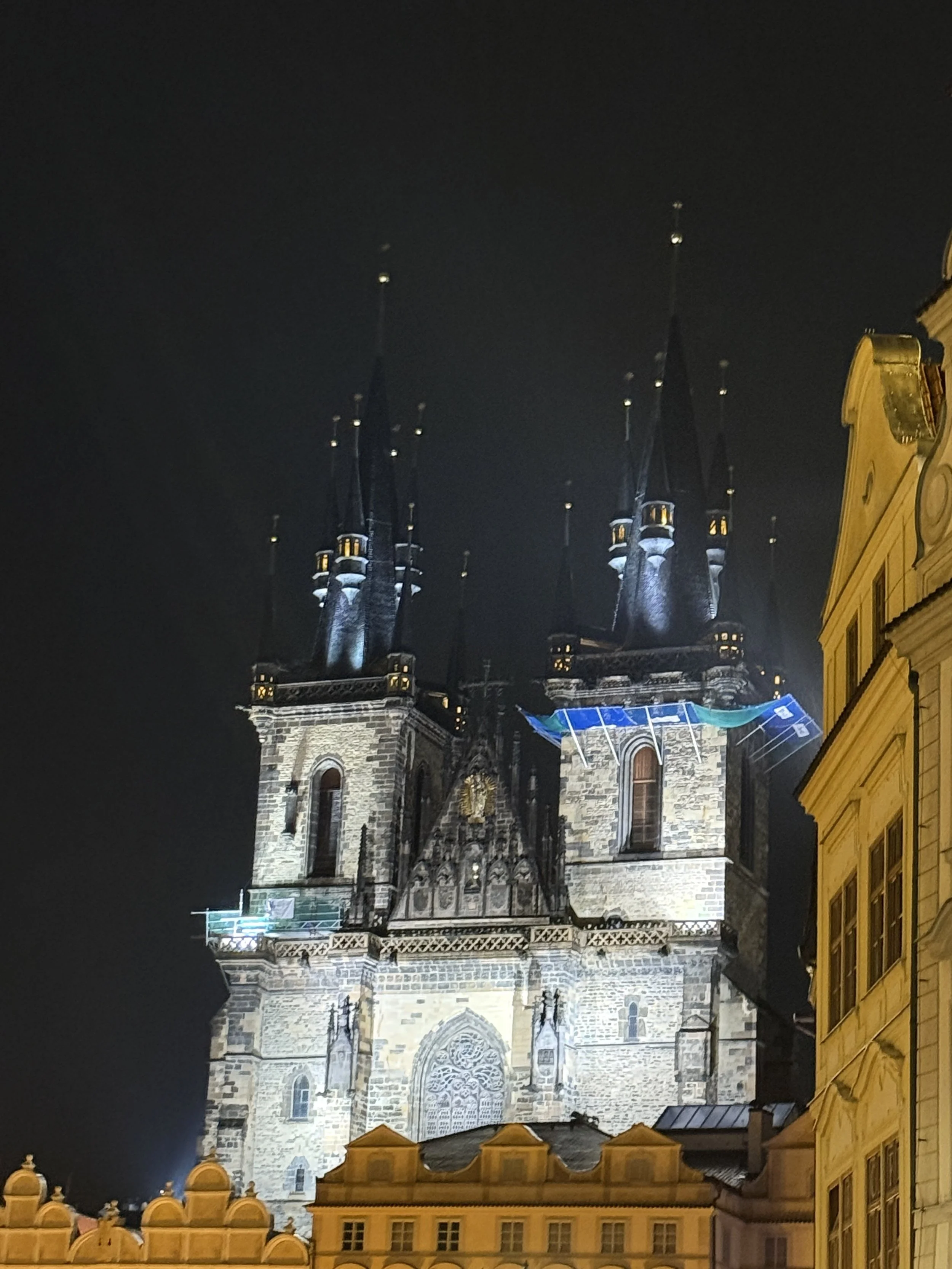
The Týn church dominates the skyline of Prague in the Old Town. It was constructed in the 14th and 16th centuries and the church was a significant religious and cultural center during the medieval period and is one of the best examples of Gothic Architecture in Europe today. Many people describe Prague as “fairy tale destination” and I think this church exemplifies just that, especially at night. Each tower is approximately 262 feet high and inside there is a main altar, ornate tombs, and one of the oldest pipe organs in the city. This church provides a look into the importance of religion throughout the city and gives insight on the history of Pragues religion.
Strahov Library
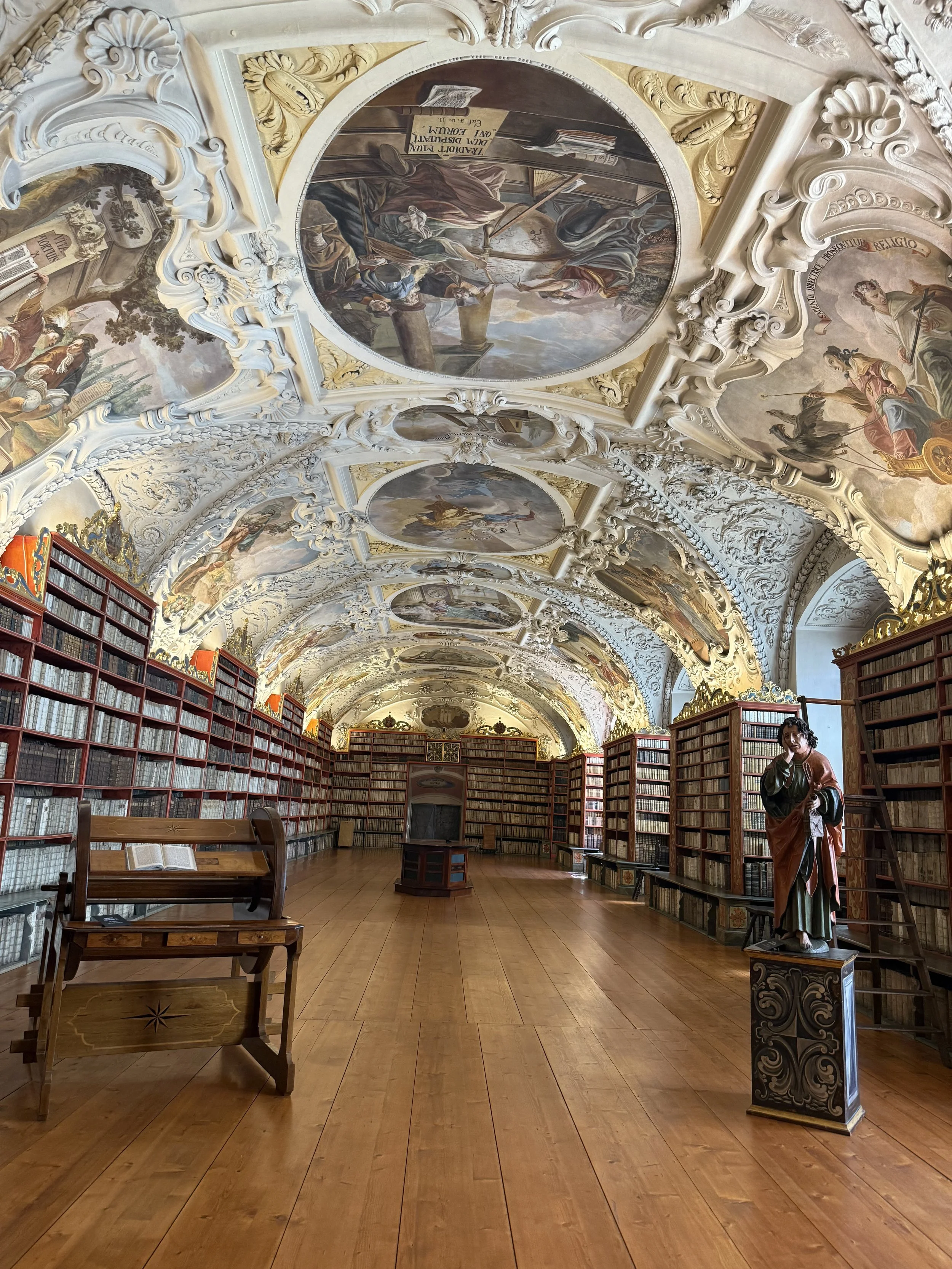
This library is located in the Strahov Monetary and one of the most significant libraries in the world. It was founded in the 12th century and served as a center of learning, Today is has more 200,000 volumes including rare manuscripts, amps, and historical documents. The library is known for its two halls which consists of the Theological Hall built in the 17th century and the Philosophical Hall built in the 18th century. Both have frescoes ceilings, wooden bookshelves, and great collections of books. The library features unique Baroque architecture that reflects the important of preserving knowledge.
Buildings
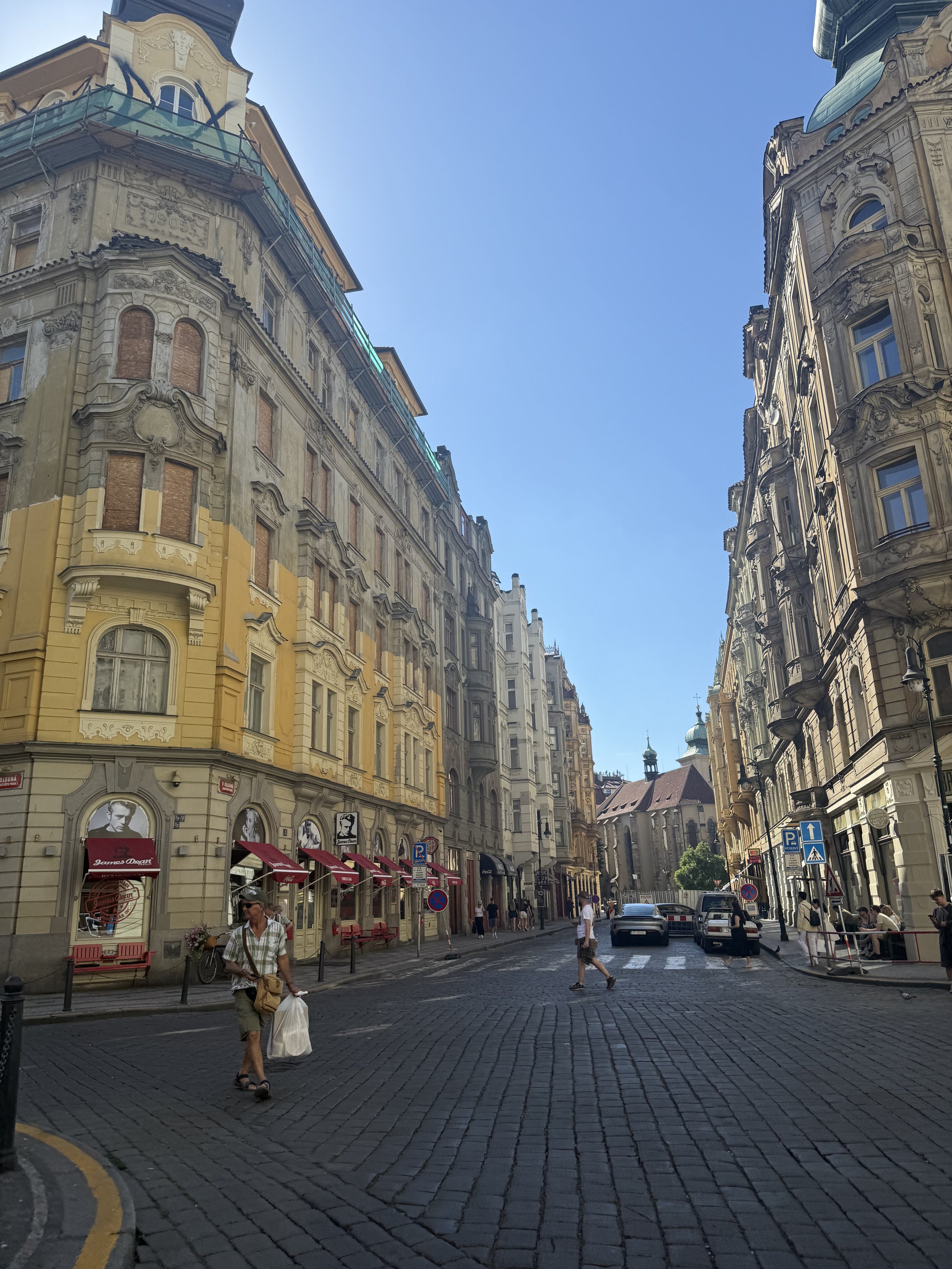
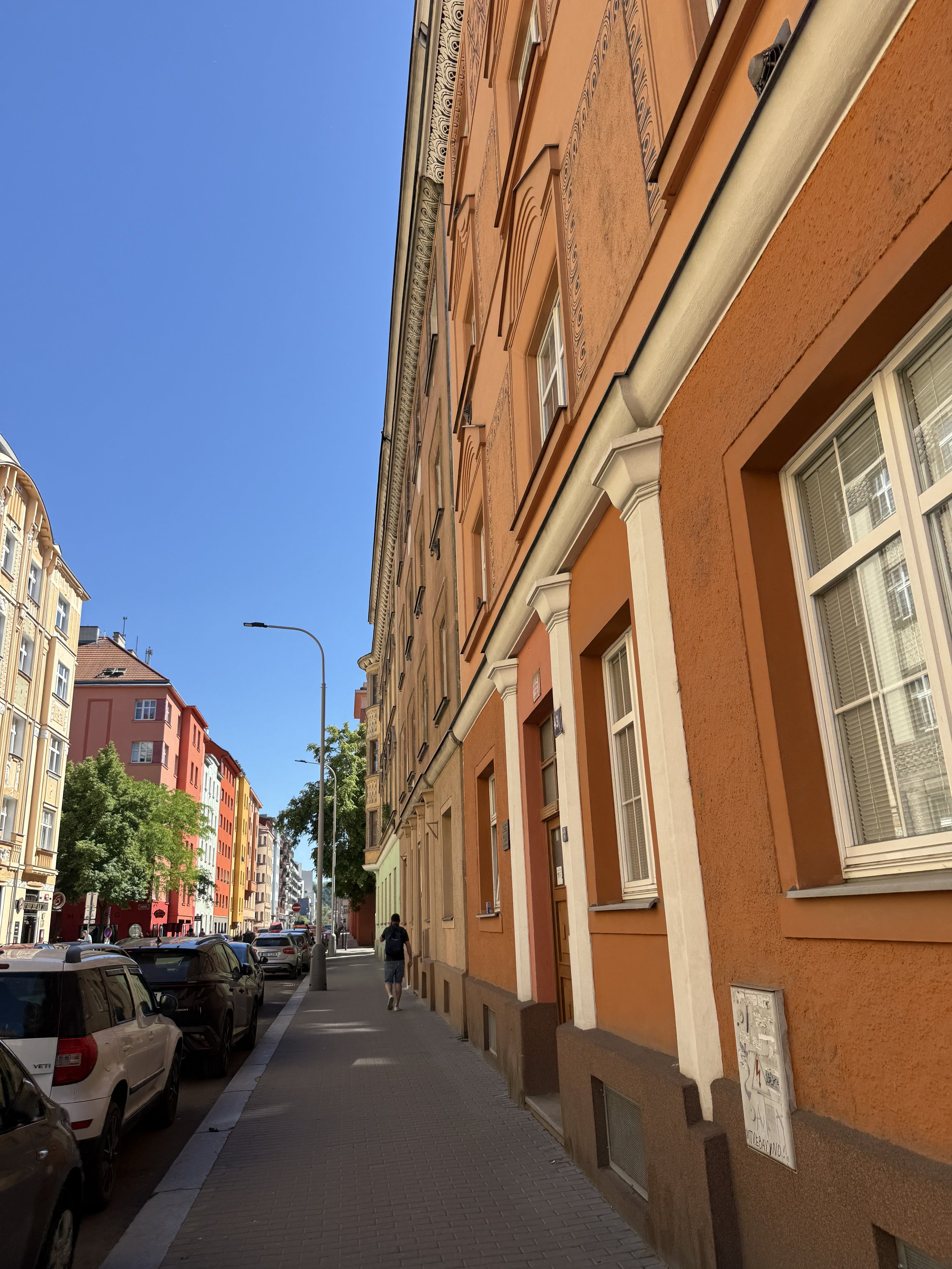
I wanted to include some of the buildings in the streets of Prague specifically because every neighborhood was a different architectural style. Together, these buildings contribute to the historical center of Prague.
My recommendation:
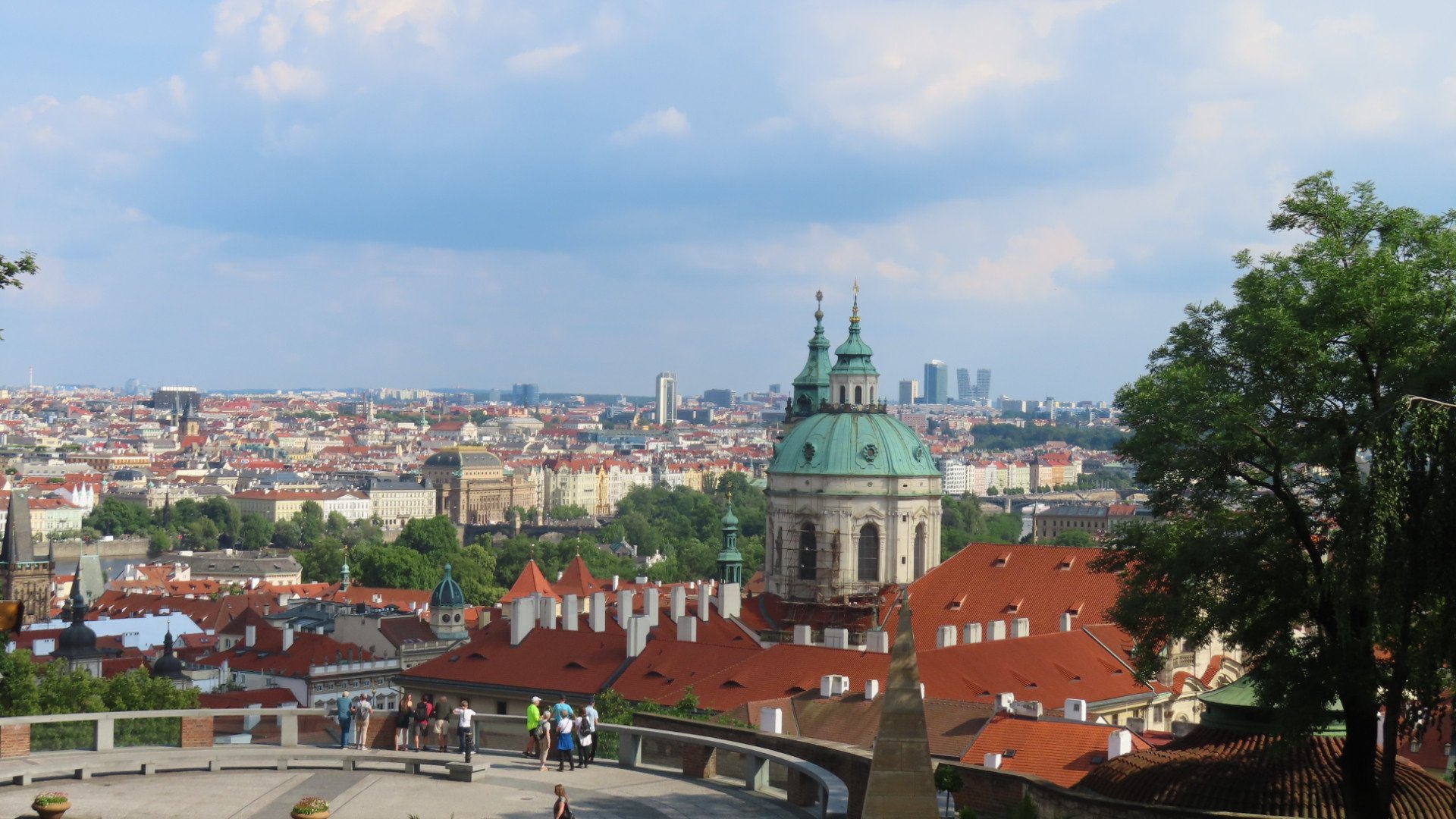
Personally, I recommend getting to a “look out” point to see the overview of the city. This picture is taken from the outer gardens of the Prague Castle complex but other ways you can get a good look at the city is visit panoramic parks or climb historic towers like the Astronomical Tower.
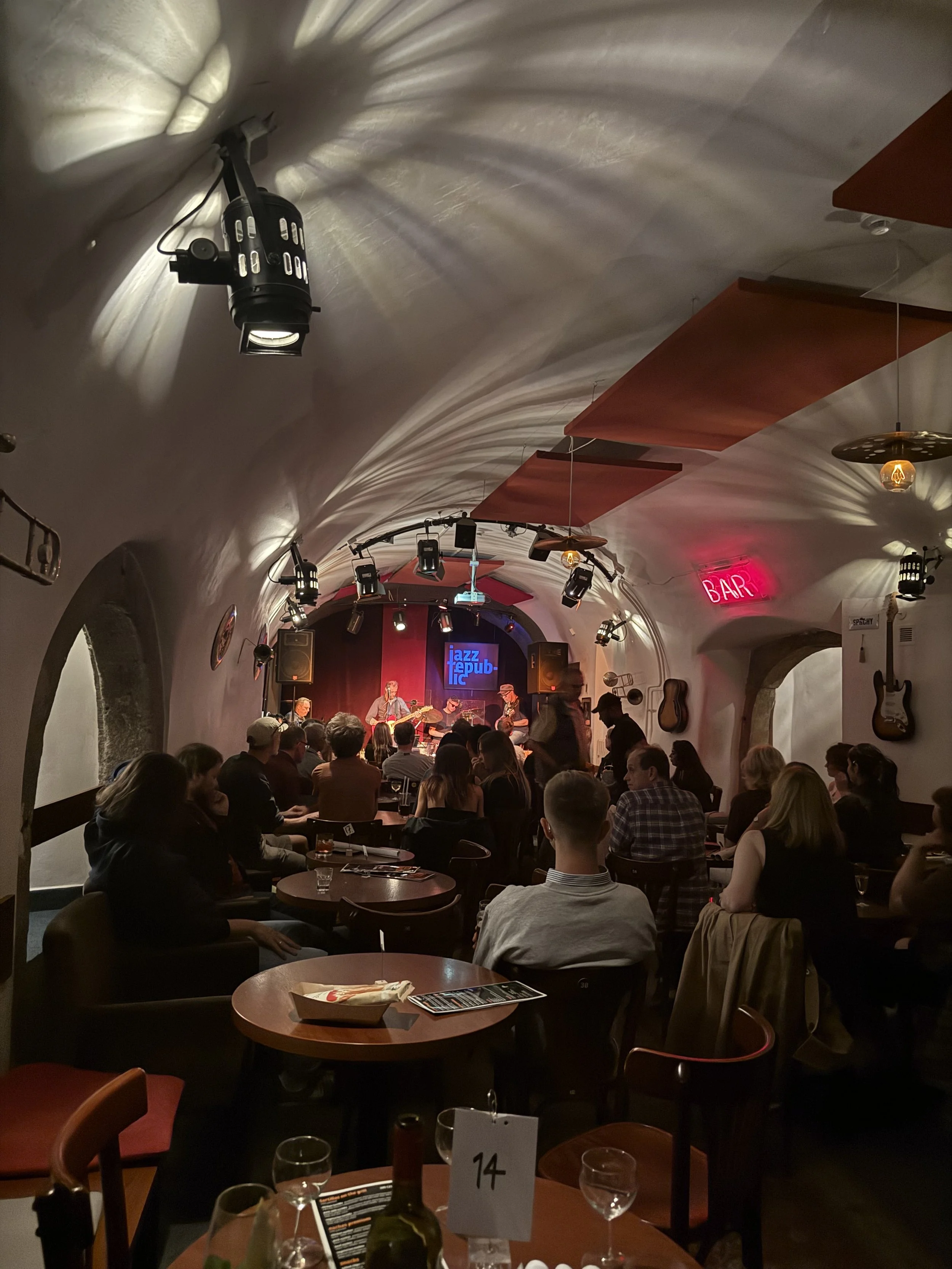
I also recommend going to a Jazz Bar. Its an amazing experience and a chill vibe to just sit and listen to some good jazz music. We went to Jazz Republic and it was an underground club.
Czech Food
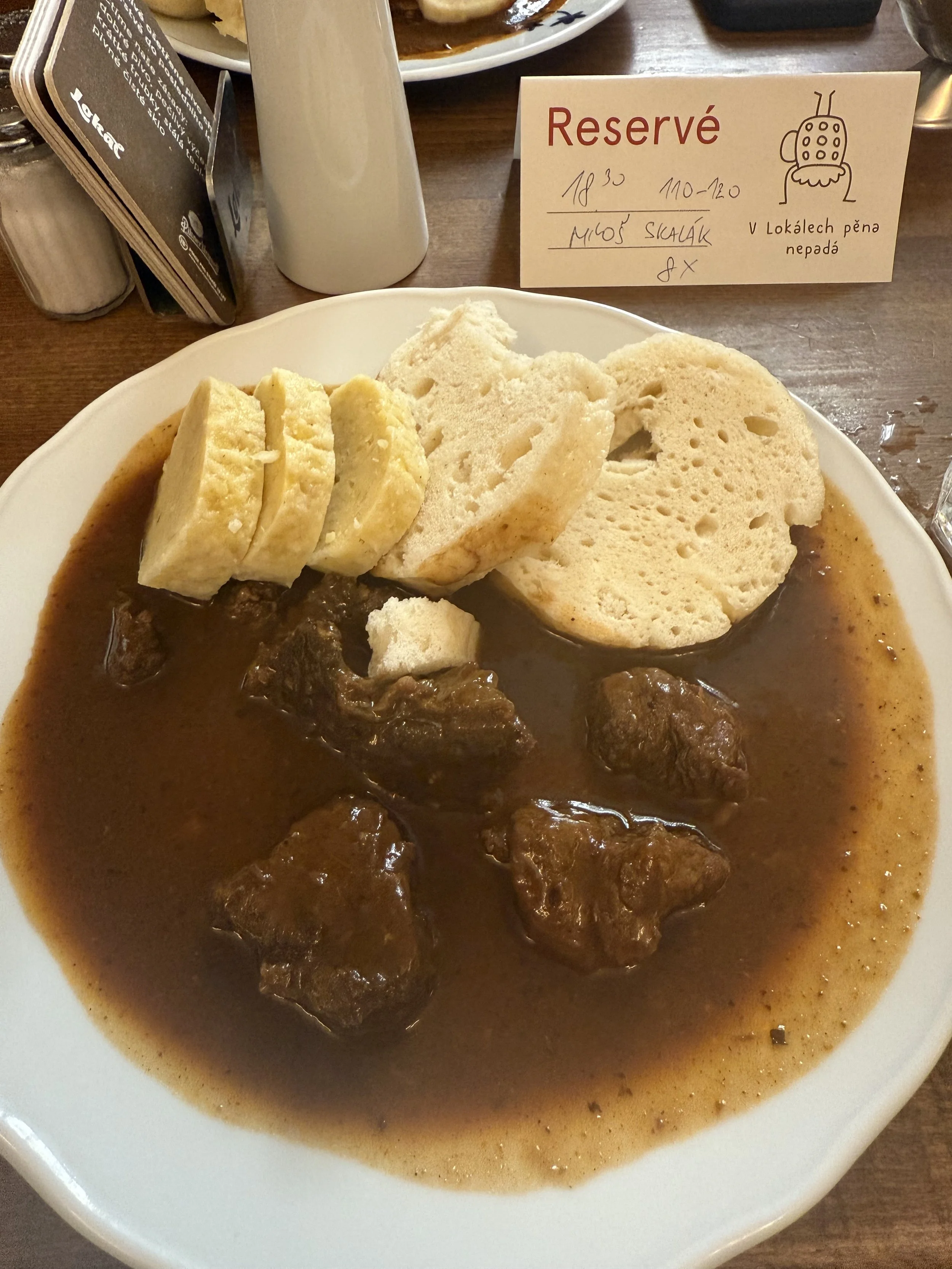
Goulash
A traditional Czech Dish. Personally, not a fan. But I am a very picky eater. A lot of my peers enjoyed it though, its worth a try if you’re visiting Prague. There are many traditional Czech restaurants all over as well. It is a rich meat stew that is slow-cooked in a caramelized paprika base. It is paired with steamed bread dumplings.
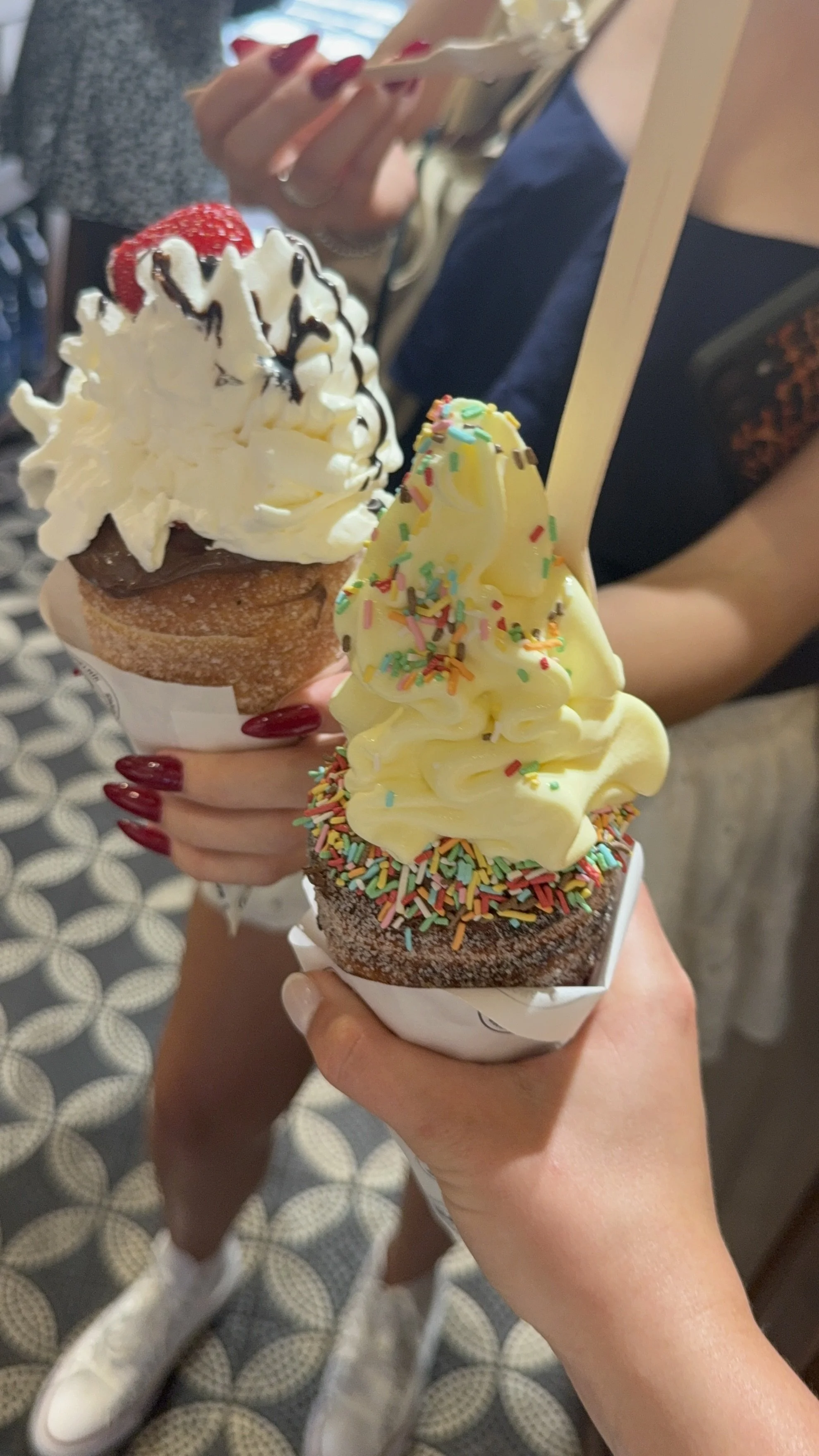
Chimney Cake
Although chimney cakes arent traditionally a Czech food, I had to get one. There are so many chimney cake shops on the streets in Old Town as they are heavily advertised. It honestly hard to stay away from them as the smell lingers in the streets and is simply so delicious. The best way to describe chimney cakes are a churro cone with chocolat, ice cream, and toppings inside.
Museums
Dox Museum
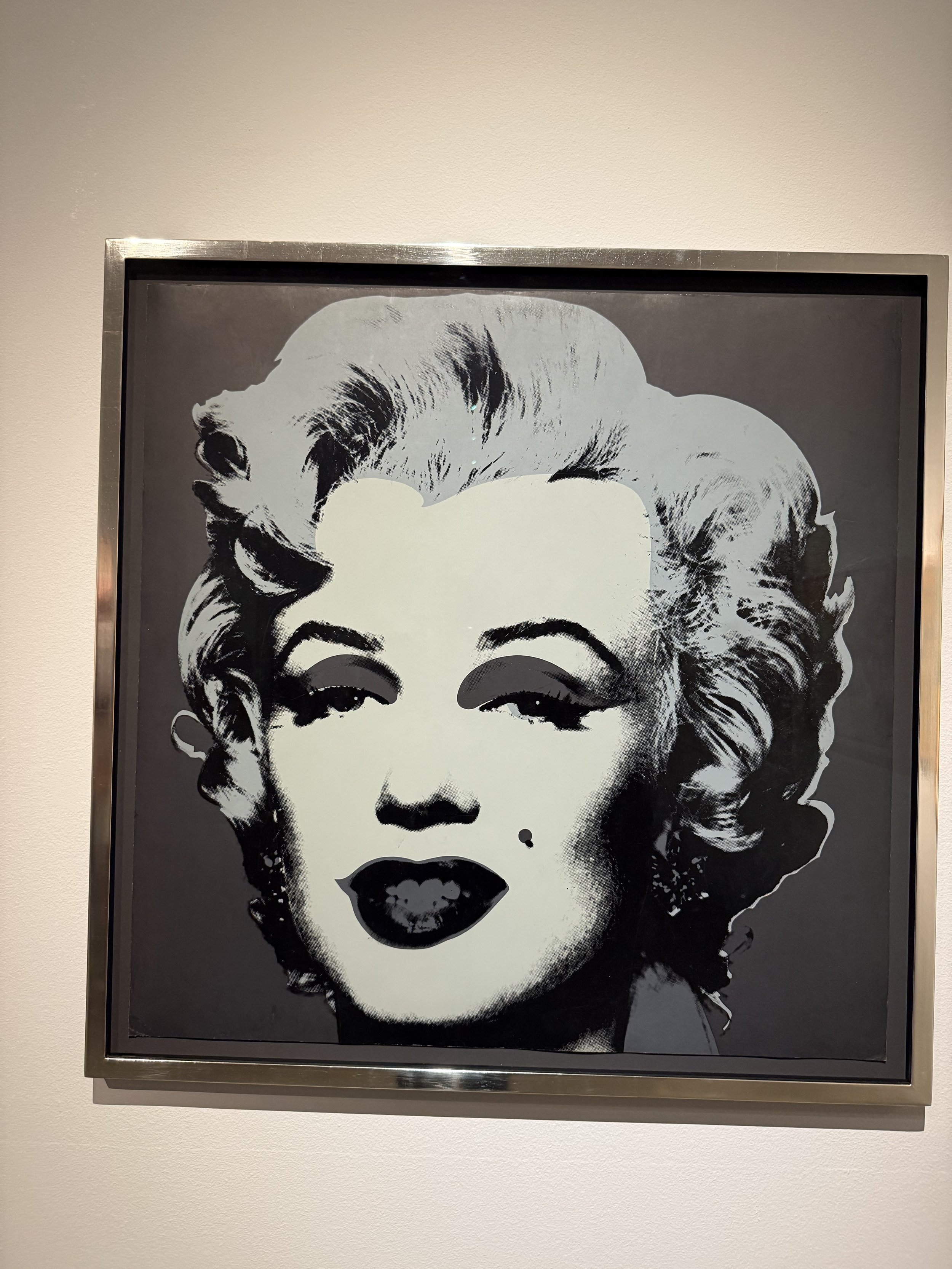
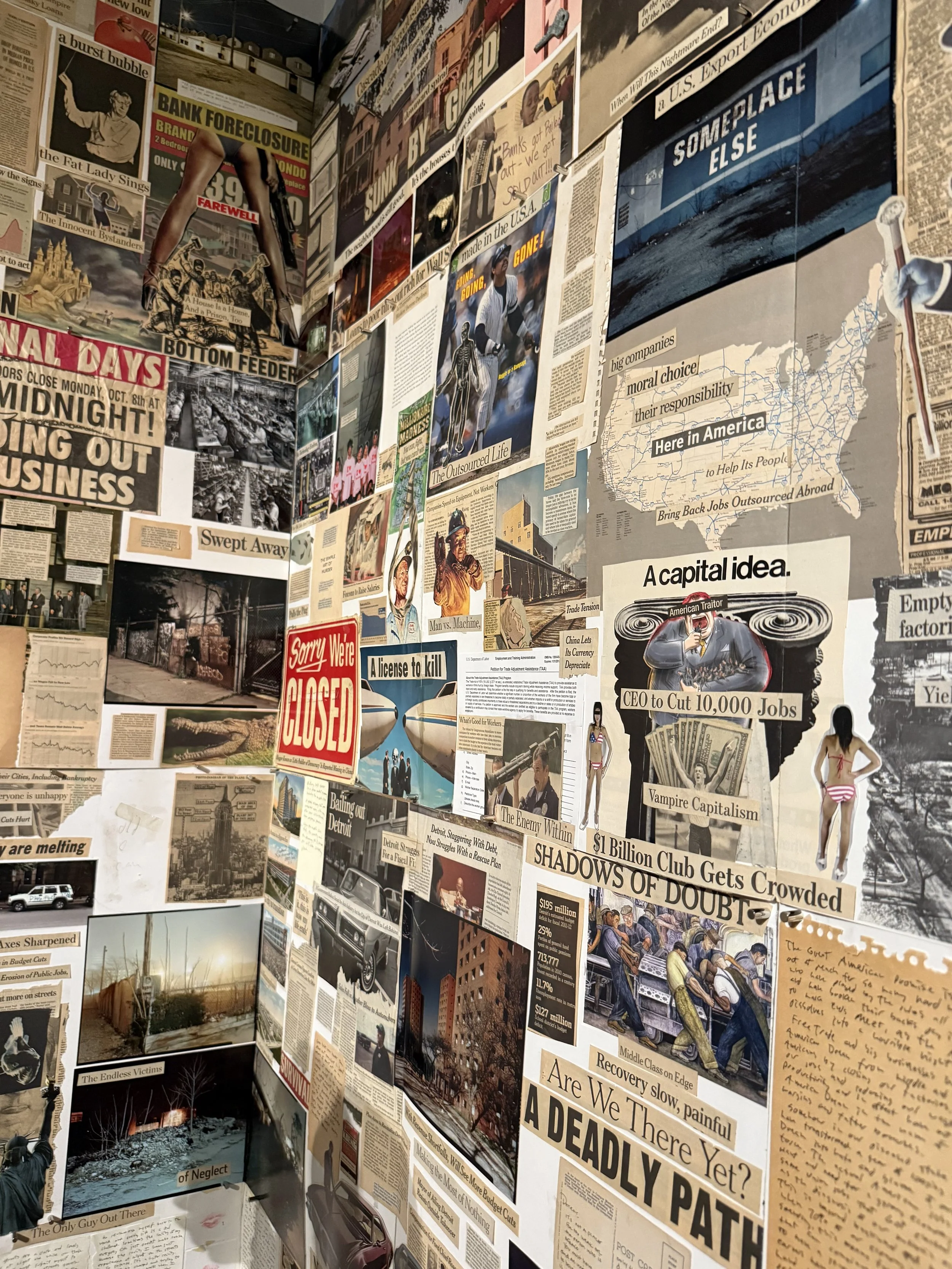
The DOX Centre for Contemporary Art offers a completely different perspective from Prague's historic museums. Housed in a renovated industrial building, DOX is dedicated to contemporary art, architecture, design, and thought-provoking exhibitions that explore today's social, political, and cultural issues. Rather than simply displaying artwork, DOX encourages visitors to question, interpret, and engage with the ideas behind each piece. The museum showcases work from both Czech and international artists, creating a dynamic space where creativity and critical thinking come together. One of the most recognizable features of DOX is the Gulliver Airship, a striking wooden and steel structure suspended above the museum. Designed as a symbol of imagination and dialogue, it hosts lectures, discussions, and literary events while serving as one of Prague's most distinctive architectural landmarks. Visiting DOX was a refreshing contrast to Prague's centuries-old castles and churches. It highlighted the city's thriving contemporary art scene and demonstrated that Prague is not only a destination for history and classical architecture but also a place where modern creativity continues to evolve.
Franz Kafka Museum
Tucked away in Prague's charming Malá Strana district, the Franz Kafka Museum offers a fascinating glimpse into the life and imagination of one of the city's most influential literary figures. Dedicated to the works and legacy of Franz Kafka, the museum explores how Prague shaped his writing through immersive exhibits, personal letters, photographs, manuscripts, and multimedia installations. The museum provides a unique perspective Kafkas life by showcasing the many different thematic pieces in his work. I found it most interesting the different types of work he has done throughout his life and I particularly fancied the work he did on the French girls when he was living in France. Leaving the museum, I had a deeper appreciation not only for Kafka's work but also for the city's lasting impact on literature and artistic expression.